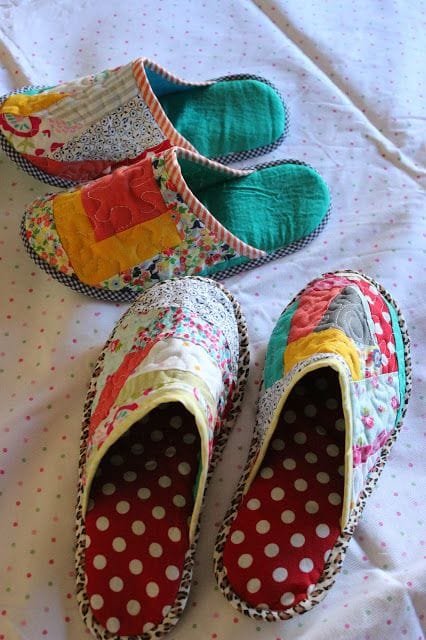
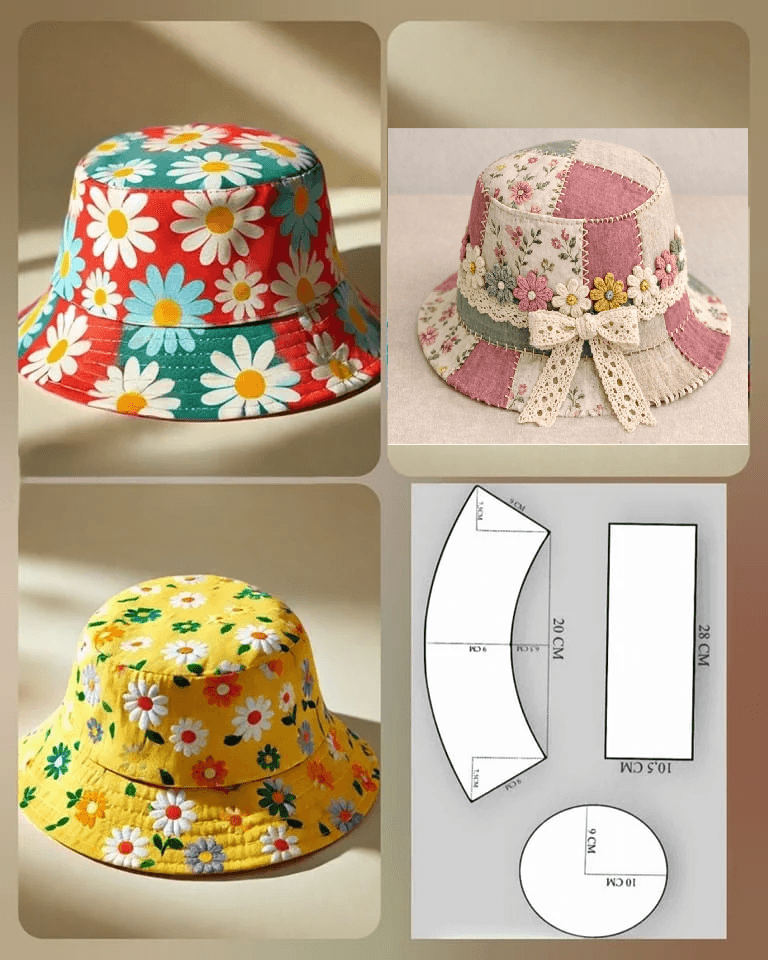
A Toilet Paper Holder Fabric Pattern is a practical sewing project that helps keep extra toilet paper rolls organized while adding a decorative touch to your bathroom. Instead of leaving spare rolls on a shelf or countertop, you can create a handmade fabric holder that fits your space and matches your existing decor.
This project is suitable for beginners and experienced sewing enthusiasts. With basic sewing supplies, a few fabric pieces, and simple construction techniques, you can make a holder for one, two, or several toilet paper rolls.
One of the biggest advantages of sewing your own holder is customization. You can choose floral prints, neutral cotton, colorful quilting fabrics, or coordinated patterns to create a useful accessory that reflects your personal style.
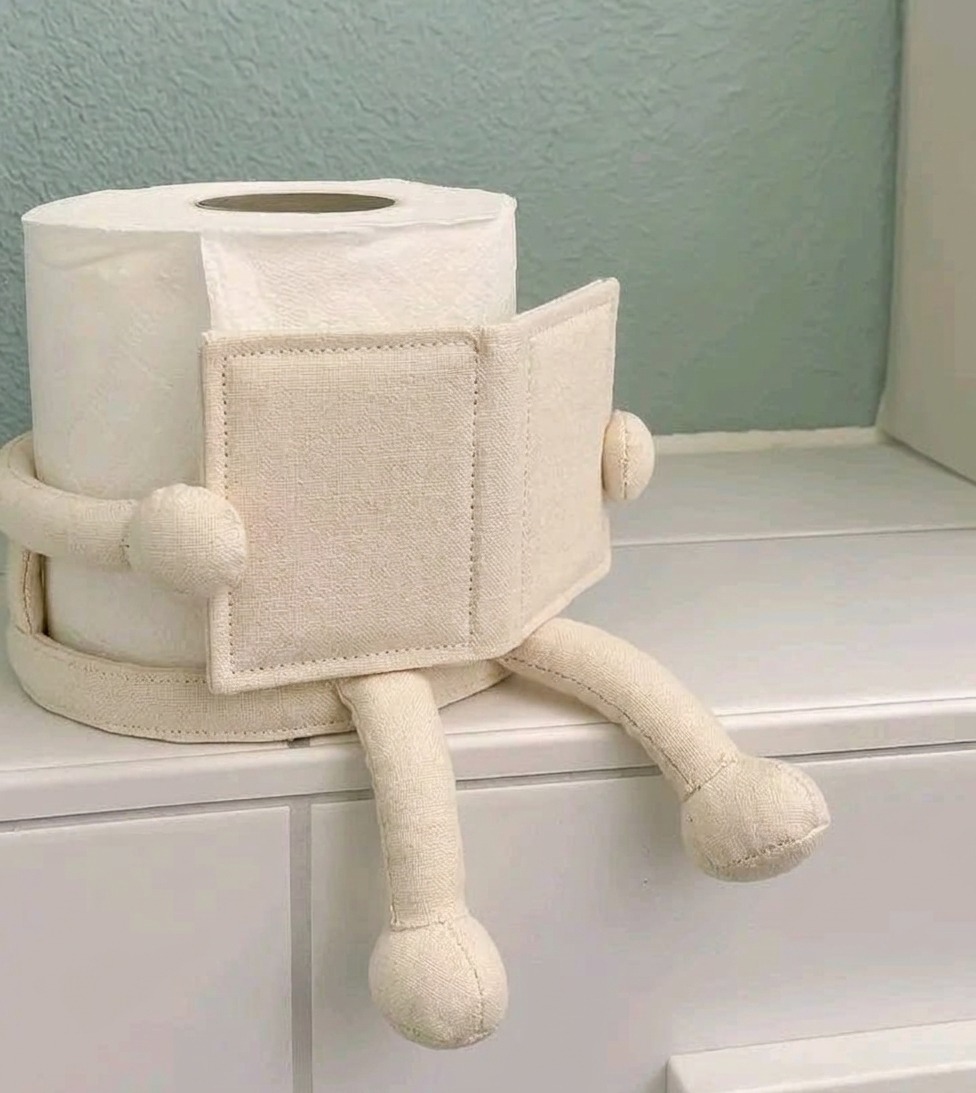
Choosing the Best Fabrics and Sewing Materials
The right fabric makes a difference in the durability and appearance of your finished toilet paper holder. Cotton fabric is one of the best choices for this project because it is easy to cut, sew, wash, and coordinate with bathroom decorations. Quilting cotton is especially convenient because it comes in many prints and offers enough structure for simple organizers.
For a more structured holder, consider using a medium-weight cotton fabric or adding lightweight interfacing. Interfacing helps the fabric maintain its shape, especially when the organizer is designed to hold multiple rolls vertically. Avoid making the material excessively stiff, since the holder should remain easy to handle and clean.
You will also need matching thread, fabric scissors, a measuring tape, pins or sewing clips, and a sewing machine. Depending on the design, you may use fabric loops, ribbon, elastic, or a wooden dowel for hanging. Choose sturdy materials that can support the weight of the toilet paper without stretching or tearing.
Before selecting your fabric, consider the bathroom environment. Materials should be easy to wash and should dry properly after cleaning. Avoid delicate fabrics that require special care or decorations that can easily detach.
Measuring and Preparing the Toilet Paper Holder Pattern
Before cutting the fabric, decide how many rolls your holder should accommodate. A simple hanging organizer can hold two or three rolls, while a larger version may include additional compartments. Knowing the desired capacity helps determine the overall length and width of the pattern.
Measure a standard toilet paper roll or the specific rolls you normally purchase. Include extra room around each roll so it can slide into the compartment without being compressed. Remember that roll sizes can vary, so a little additional space makes the holder more versatile.
For a basic vertical design, cut a long rectangular piece of outer fabric and a matching lining. The rectangle will form the main body, with separate stitched sections creating pockets for individual rolls. Add seam allowances to every edge and leave extra fabric at the top for a hanging loop or reinforced opening.
A paper template can make the cutting process easier. Mark the pocket positions before transferring the measurements to the fabric. If you want to use contrasting fabrics, plan where each color or print will appear so the finished organizer looks balanced.
Sewing and Assembling the Fabric Toilet Paper Holder
Begin by preparing the outer fabric and lining. If your design includes interfacing, attach it according to the manufacturer’s instructions. This extra layer can help prevent the organizer from sagging when several rolls are stored inside.
Place the main fabric pieces together with their right sides facing inward. Sew around the edges, leaving a small opening for turning. Trim excess fabric at the corners, turn the piece right side out, and carefully shape the edges. Close the opening with a neat topstitch.
Next, create the compartments by folding or attaching the fabric sections at the marked positions. Secure each pocket with straight stitching along the sides and bottom. Reinforce the seams because these areas will support the weight of the stored rolls. Keep the pocket openings wide enough for easy access.
Finish the top with a reinforced fabric loop, a hanging strap, or a sleeve for a wooden dowel. If you prefer a freestanding design, create a wider base and add enough structure to help the holder stand upright. Before using it, check every seam and gently test the organizer with toilet paper rolls to make sure the pockets remain secure.
Decorative Ideas, Durability, and Everyday Care
A handmade toilet paper holder can be both functional and decorative. You can use coordinated cotton prints, patchwork panels, simple appliqué, or contrasting fabric borders. Floral designs are popular for traditional bathrooms, while geometric patterns and solid colors work well in modern spaces.
If you enjoy quilting, consider adding decorative stitching to the main panel. Straight lines, simple geometric shapes, or subtle quilting patterns can create texture without making the holder difficult to clean. Keep embellishments minimal, especially in areas that may come into contact with the toilet paper.
Durability depends on fabric quality and careful construction. Reinforce the hanging loop and pocket seams, use suitable thread, and avoid making the compartments too tight. An organizer that is overloaded may stretch or pull at the stitching over time.
For cleaning, follow the care instructions for your chosen fabric. Cotton holders can often be machine washed on a gentle cycle, but remove wooden or decorative components first when necessary. Let the organizer dry completely before putting it back in the bathroom to prevent moisture from becoming trapped in the fabric.
Frequently Asked Questions
What is the best fabric for a toilet paper holder?
Cotton and quilting cotton are practical choices because they are easy to sew, durable, and washable. Medium-weight fabric can provide additional structure for holders that store multiple rolls.
How many toilet paper rolls can a fabric holder store?
That depends on the pattern. Simple hanging designs commonly hold two or three rolls, while larger organizers can accommodate more. Adjust the length and pocket dimensions to suit your storage needs.
Do I need interfacing for this project?
Interfacing is optional, but lightweight interfacing can help the holder maintain its shape. It is particularly useful when working with thin cotton fabric or making a larger organizer.
Can beginners sew a toilet paper holder?
Yes. A basic design uses rectangular fabric pieces, straight seams, and simple pockets. It is a useful project for practicing measuring, cutting, topstitching, and reinforcing seams.
How do I make the holder hang securely?
Use a reinforced fabric loop, sturdy strap, or sleeve for a dowel. Sew the attachment several times and make sure the hanging point can support the weight of the rolls.
Can I make a freestanding toilet paper organizer?
Yes. Create a wider base and use suitable interfacing or additional fabric layers to provide structure. Make sure the finished organizer remains stable when filled.
How do I customize the pattern for larger toilet paper rolls?
Measure the diameter and width of the rolls you use. Increase the pocket dimensions and leave enough room for easy insertion and removal.
How should I wash a fabric toilet paper holder?
Follow the fabric care instructions. Many cotton holders can be washed gently, but remove non-washable components and allow the organizer to dry completely before reuse.
Conclusion
A Toilet Paper Holder Fabric Pattern is a simple and useful sewing project that combines organization with creative bathroom decoration. By choosing durable cotton, measuring the compartments carefully, and reinforcing the seams, you can make a holder that keeps spare rolls accessible and neatly arranged.
Experiment with different prints, pocket sizes, and hanging styles to create a design that fits your home. Have you made a fabric bathroom organizer before? Share your favorite fabric combinations and ideas for making this project even more practical.