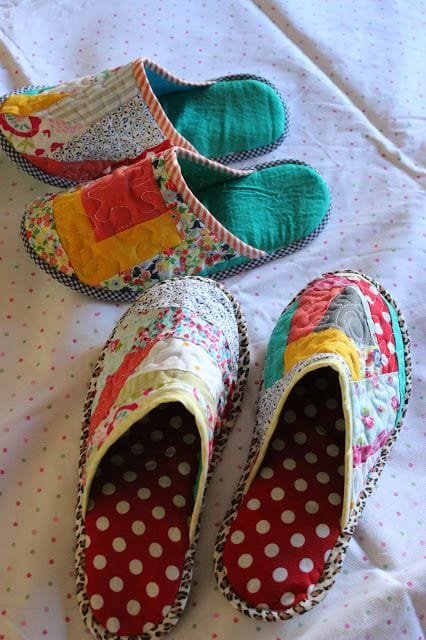
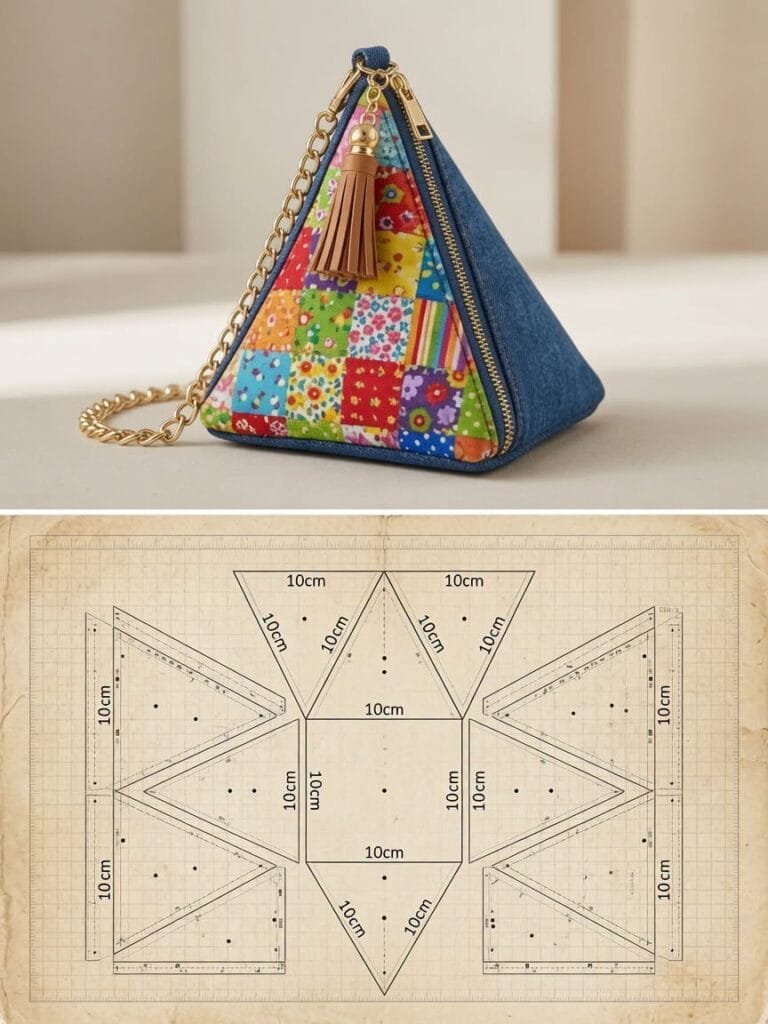
The Quilted Fanny Pack Pattern is a practical and stylish project that combines the convenience of a compact bag with the soft, textured appearance of quilting. It is a great way to create a useful everyday accessory while experimenting with fabrics, quilting details, colors, and personalized finishes.
A fanny pack can be worn around the waist or across the body, making it convenient for keeping small essentials close at hand. The quilted construction gives the bag extra character and creates plenty of opportunities to use beautiful fabric combinations.
Why Make a Quilted Fanny Pack?
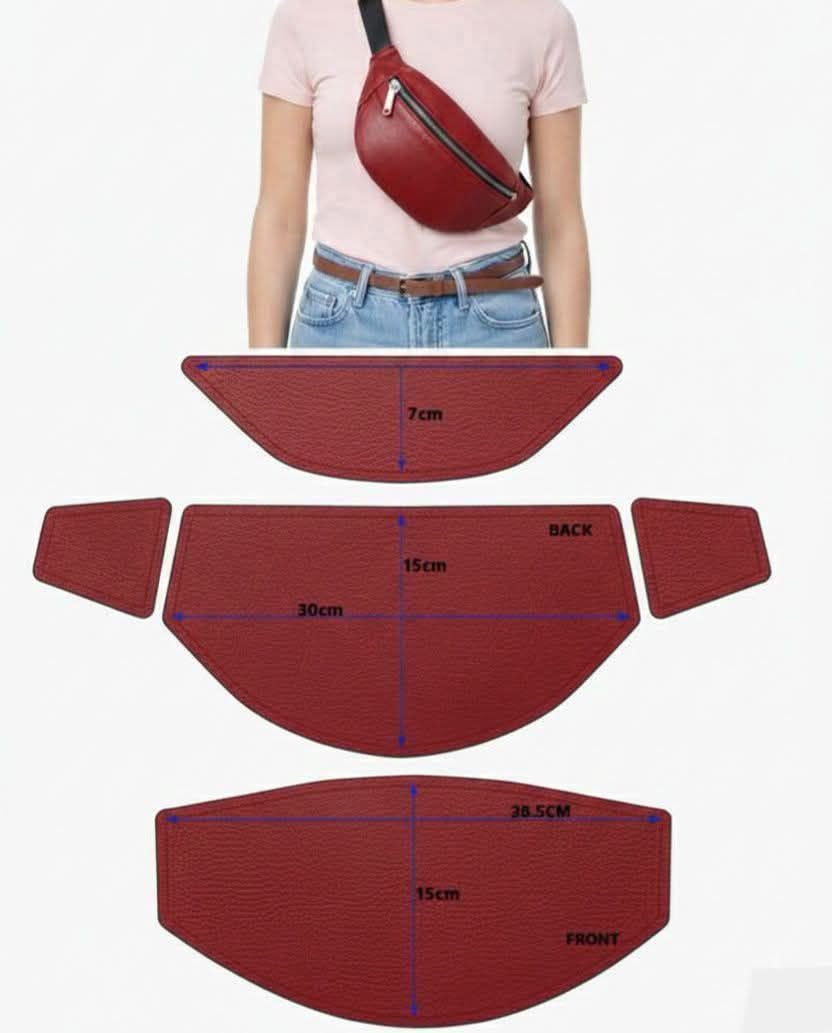
A handmade fanny pack is useful for situations when you want to carry only the essentials without bringing a larger handbag.
It can hold items such as:
- Phone
- Keys
- Cards
- Small wallet
- Sunglasses
- Earbuds
- Small personal items
The compact size also makes this an enjoyable project when you want to work on something smaller than a traditional tote or handbag.
Choosing Fabrics
Fabric selection is one of the most enjoyable parts of a quilted fanny pack project. Quilting allows you to combine different prints and colors while still creating a cohesive design.
Cotton quilting fabrics are particularly suitable for creating colorful combinations. You can use floral prints, geometric patterns, solids, stripes, or small-scale motifs.
For a more understated accessory, choose fabrics from the same color family. For a statement piece, combine contrasting colors and prints.
Materials You May Need
The exact materials depend on the construction of the pattern, but a project of this type may include:
- Quilting cotton or other suitable fabric
- Batting
- Lining fabric
- Coordinating thread
- Zipper
- Webbing or suitable strap material
- Buckle or adjustable hardware
- Sewing machine
- Fabric scissors
- Rotary cutter and ruler
- Pins or clips
- Measuring tape
- Iron
Choosing good-quality hardware is particularly useful because the strap and closure will experience regular handling.
Creating the Quilted Exterior
The quilted exterior is what gives this fanny pack its distinctive appearance. Before assembling the bag, the outer fabric can be combined with batting and quilting stitches to create a structured, textured panel.
Simple straight lines can create a clean modern effect, while diagonal lines, grids, or decorative quilting patterns can produce a more elaborate appearance.
The quilting design can also be used to highlight specific fabrics or create visual movement across the bag.
Choosing a Quilting Pattern
You do not need an extremely complicated quilting design to make the fanny pack attractive.
Straight-line quilting is a classic option and works especially well with patterned fabrics. A grid can give the bag a neat geometric appearance, while free-motion quilting can make each project more individual.
If the fabric already has a strong print, simple quilting may be enough to complement it without overwhelming the design.
Adding the Zipper
A zipper provides convenient access to the main compartment and helps keep belongings secure.
When working with a zipper, accurate alignment is important. Taking time to position the zipper evenly can make a significant difference in the finished appearance.
You can choose a zipper that blends into the fabric or use a contrasting color as a decorative detail.
The Lining
A lining gives the inside of the fanny pack a clean and finished appearance. It can also introduce another opportunity to add color or pattern.
A bright floral lining inside a neutral exterior can create a fun surprise, while a simple solid lining can keep the interior understated.
The lining can also help protect the contents from the texture of the quilted exterior.
Creating the Strap
The strap is an important functional part of the fanny pack because it determines how comfortably the bag can be worn.
An adjustable strap gives the wearer more flexibility, allowing the bag to be worn around the waist or across the body.
Strong stitching at the attachment points is particularly important because these areas support the weight of the bag and its contents.
Adding Pockets
Depending on the design, you can incorporate additional compartments to make the bag more practical.
A small front pocket can be useful for items that need to be accessed quickly, while the main compartment can hold larger essentials.
Different compartments also make it easier to keep small belongings organized.
Color Combinations
A quilted fanny pack provides endless possibilities for color experimentation.
Try combinations such as:
- Blue and white
- Pink and cream
- Green and floral prints
- Black and neutral tones
- Mustard and navy
- Red and beige
- Multicolored patchwork
You can also create a monochromatic design using several shades of the same color.
Using Fabric Scraps
This project can be an excellent way to use smaller pieces of fabric left over from other sewing projects.
Because the exterior can be quilted from multiple fabrics, you can create a coordinated patchwork arrangement rather than needing one large piece of fabric.
Sorting scraps by color before beginning can make it easier to create a balanced combination.
Personalizing Your Fanny Pack
There are many ways to make the finished accessory your own.
Consider adding:
- Decorative quilting
- Appliqué
- Embroidery
- Fabric labels
- Contrasting zipper tape
- Decorative patches
- Different strap colors
- Personalized fabric combinations
Even a simple change in the lining can give the finished bag a completely different character.
Tips for a Neat Finish
Small bags often require careful construction because every seam and edge is visible.
Press fabric as you work, keep your layers aligned, and take particular care around corners and zipper areas.
When quilting several layers together, check that the fabric remains flat and does not develop unwanted folds. Accurate cutting also helps the final pieces fit together more easily.
Before attaching the strap, reinforce the connection points so the finished bag can withstand regular use.
Everyday Uses
The compact design makes a quilted fanny pack useful for many activities.
It can accompany you while:
- Walking
- Traveling
- Shopping
- Attending outdoor events
- Visiting markets
- Going on casual outings
- Exploring a new city
- Taking short trips
Because it keeps essential items close to the body, it can be a convenient alternative to carrying a larger bag.
A Thoughtful Handmade Gift
A quilted fanny pack can also make a thoughtful handmade gift. Choosing fabrics based on someone’s favorite colors or interests makes the accessory feel more personal.
You can create a floral version for someone who loves colorful prints, a minimalist neutral version for someone with a simple style, or a playful patchwork version using several coordinating fabrics.
The handmade quality makes the finished gift especially distinctive.
The Appeal of Quilted Accessories
Quilted accessories have a special charm because they combine traditional textile techniques with modern everyday designs. A fanny pack transforms that idea into something practical and wearable. The combination of quilting, fabric selection, hardware, and personalized details means that even two bags made from the same pattern can look completely different.
Conclusion
The Quilted Fanny Pack Pattern is a practical project that brings together quilting and everyday functionality. Its compact shape makes it useful for carrying essentials, while the quilted exterior provides countless opportunities for experimenting with fabrics, colors, and decorative details.
Whether you make one for yourself, use leftover fabric scraps, or create a personalized handmade gift, this project is a fun way to turn beautiful fabrics into an accessory that can be enjoyed regularly.