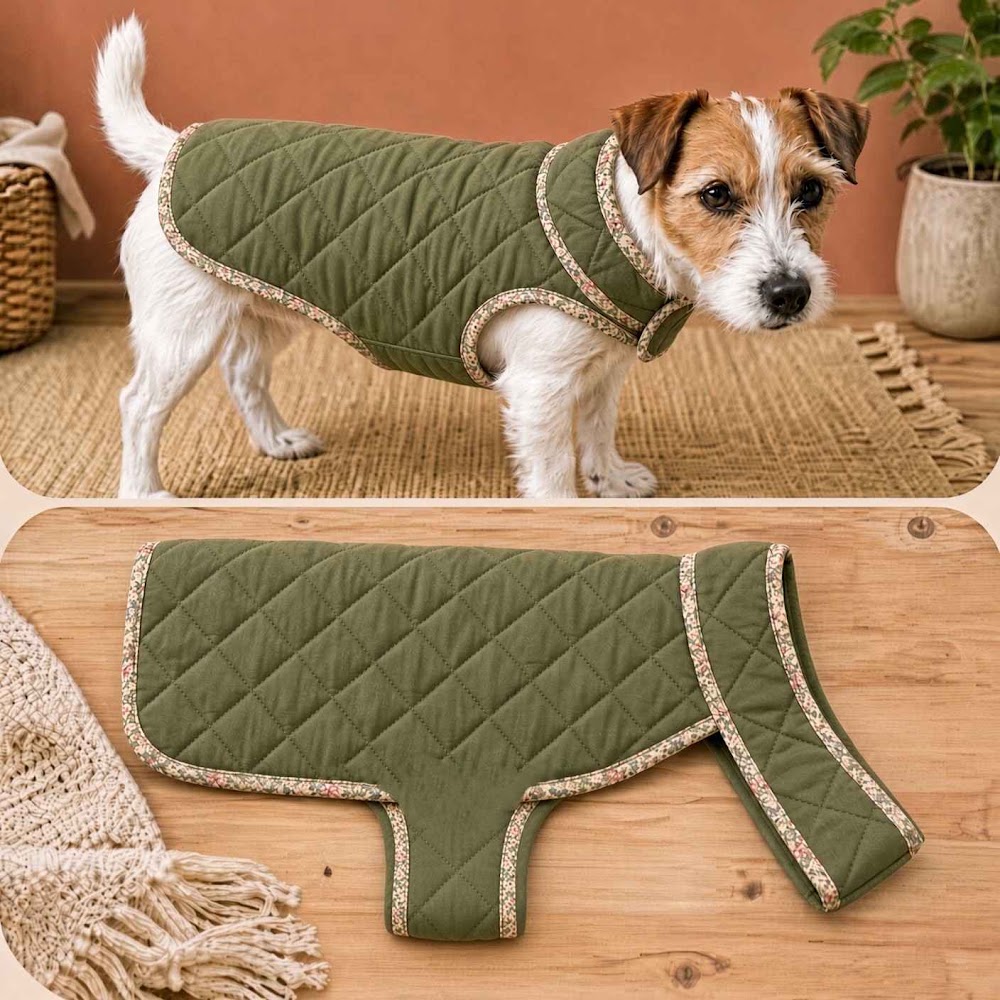
A Fabric Dog Vest Pattern is a wonderful sewing project for creating comfortable, practical clothing for your furry companion. Whether you want a lightweight vest for everyday walks, an extra layer for cooler days, or a personalized handmade gift, sewing your own design allows you to choose the fabric, colors, and fit.
Making a dog vest at home can also be a great way to use leftover quilting cotton, soft fleece, and other fabric pieces from previous projects. With accurate measurements and a few basic sewing techniques, you can create an attractive garment that suits your dog’s size and personality.
The most important part of this project is comfort. A well-designed vest should allow your dog to walk, sit, run, and rest naturally without restricting movement or rubbing against sensitive areas.
Choosing the Best Fabrics and Sewing Materials
Selecting suitable fabric is the first step toward making a comfortable dog vest. Cotton fabric is a popular choice for lightweight designs because it is breathable, easy to sew, and available in countless prints. Quilting cotton works especially well for decorative outer layers and simple everyday vests.
For colder weather, fleece and soft cotton flannel can provide an additional layer of warmth. These fabrics are comfortable against the body and relatively easy to work with. However, consider your dog’s coat, activity level, and local climate before choosing a heavier material. A thick vest may become uncomfortable for dogs that already have dense fur.
A soft lining can improve the finish and reduce friction. Cotton jersey or another gentle fabric can work well, provided it does not bunch up or create uncomfortable seams. Avoid rough materials, stiff interfacing, exposed fasteners, and decorations that could irritate your dog’s skin.
You will also need matching thread, fabric scissors, measuring tape, pins or sewing clips, and a sewing machine. Depending on the design, you may use hook-and-loop tape, soft elastic, snaps, or adjustable straps. Choose closures that are secure but easy to release, and avoid small decorative pieces that your dog could chew or swallow.
Taking Measurements and Preparing the Dog Vest Pattern
Accurate measurements make a significant difference in the final fit. Begin by measuring your dog’s neck circumference, chest circumference, and back length. The chest measurement is especially important because the vest must fit comfortably around the widest part of the rib cage.
Measure the back from the base of the neck to the point where you want the vest to end. Avoid making the garment so long that it interferes with your dog’s tail or natural movement. For the chest and neck, leave enough ease for comfortable breathing and walking rather than creating a tight fit.
Once you have the measurements, sketch the vest shape on paper. A simple design usually includes a back panel and a belly section, with openings for the front legs. You can create a one-piece pattern with a fastening underneath or separate panels joined along the sides.
Before cutting your final fabric, test the pattern using inexpensive fabric or an old cotton sheet. Place the test garment on your dog briefly and check the neckline, leg openings, and chest area. Make adjustments where necessary, ensuring that the vest does not press against the throat or restrict shoulder movement.
Sewing and Assembling the Fabric Dog Vest
After preparing your pattern, fold the fabric as needed and transfer the pattern markings using tailor’s chalk or a washable fabric marker. Cut the outer fabric and lining carefully, keeping the pieces aligned. If you are making a reversible vest, choose two fabrics that feel comfortable against your dog’s body.
Place the outer and lining pieces together with their right sides facing inward. Sew around the edges while leaving a small opening for turning. Use a consistent seam allowance and reinforce areas that will experience pulling, particularly near the chest straps and fastening points.
Turn the vest right side out and gently shape the edges. Close the opening with a neat topstitch or an invisible hand stitch. Finish the leg openings and neckline with soft bias binding or narrow fabric bands to prevent rough edges from rubbing against your dog’s skin.
Next, attach the chosen closure system. Hook-and-loop tape is convenient because it allows some adjustment, while fabric straps can create a simple and lightweight fastening. Position closures so they do not sit directly beneath the dog’s body or create pressure when the animal lies down.
Before considering the vest finished, inspect every seam and attachment. Remove loose threads, check for sharp edges, and make sure no small parts can detach easily. The garment should stay in place without becoming restrictive.
Comfort, Fit, and Everyday Care Tips
A beautiful vest is only successful if your dog feels comfortable wearing it. Introduce the garment gradually, allowing your pet to sniff and investigate it before trying it on. Start with short periods of supervised wear and observe whether your dog walks and moves normally.
Check the fit around the neck, chest, belly, and front legs. You should be able to slide your fingers comfortably between the garment and your dog’s body. Watch for signs of discomfort, including repeated scratching, unusual walking, attempts to remove the vest, or irritated skin. Remove it immediately if it causes problems.
Choose fabric according to the weather and your dog’s needs. Lightweight cotton may be appropriate for mild conditions, while soft fleece can provide extra warmth in colder environments. Avoid leaving a dog in clothing during hot weather, intense exercise, or situations where the fabric could become caught on objects.
Wash the vest regularly according to the fabric care instructions. Use a gentle detergent, rinse thoroughly, and allow the garment to dry completely before putting it back on your dog. Inspect the stitching, straps, and closures after washing. Repair loose seams promptly and replace damaged fasteners to prevent accidental detachment.
Frequently Asked Questions
What is the best fabric for a dog vest?
Cotton is a good option for lightweight vests because it is breathable and easy to sew. Fleece and soft flannel are useful for cooler weather, provided the garment does not become too warm for your dog.
How do I measure my dog for a vest?
Measure the neck, widest part of the chest, and length of the back. Take measurements while your dog is standing naturally, and allow enough room for comfortable movement and breathing.
Can beginners sew a fabric dog vest?
Yes. A simple vest with a back panel, belly section, and basic closures is manageable for many beginners. Testing the pattern with inexpensive fabric first can help prevent fitting mistakes.
Should a dog vest be tight or loose?
It should fit securely without squeezing the body. A vest that is too tight may restrict movement, while one that is too loose can shift, twist, or become caught during activity.
Can I use fleece for a dog vest?
Yes. Soft fleece is suitable for many cool-weather designs. Choose a comfortable weight and make sure your dog does not become overheated while wearing it.
How do I make the vest adjustable?
You can add adjustable fabric straps or suitable hook-and-loop closures around the chest and belly. Position them carefully so they do not rub against the skin or interfere with movement.
How often should I wash a dog vest?
Wash it whenever it becomes dirty, develops an odor, or collects excessive hair. Regular inspection and proper drying help keep the garment clean and comfortable.
Can my dog wear the vest all day?
That depends on the dog’s comfort, the fabric, and the temperature. Supervise wear, provide breaks, and remove the vest if your dog shows signs of overheating or irritation. Never leave clothing on a dog if it could become caught or create a safety risk.
Conclusion
A Fabric Dog Vest Pattern is a practical and creative sewing project that lets you make personalized clothing for your pet. By choosing comfortable fabrics, taking accurate measurements, and reinforcing important seams, you can create a vest that looks attractive while allowing natural movement.
Start with a simple design, test the fit, and adjust the details according to your dog’s needs. Have you sewn clothing for your pet before? Share your favorite fabric choices, fitting tips, and creative ideas to inspire other sewing enthusiasts.