The Trinity Celtic Knot Pattern is one of the most captivating and spiritually significant designs ever brought into the world of quilting.
This unique pattern, often seen in ancient manuscripts and stone carvings, has found a vibrant new home in the world of textile arts.
Today, the Trinity Celtic Knot is more than just a motif—it’s a storytelling tool for modern fabric artists. It bridges the past and present, tradition and creativity.
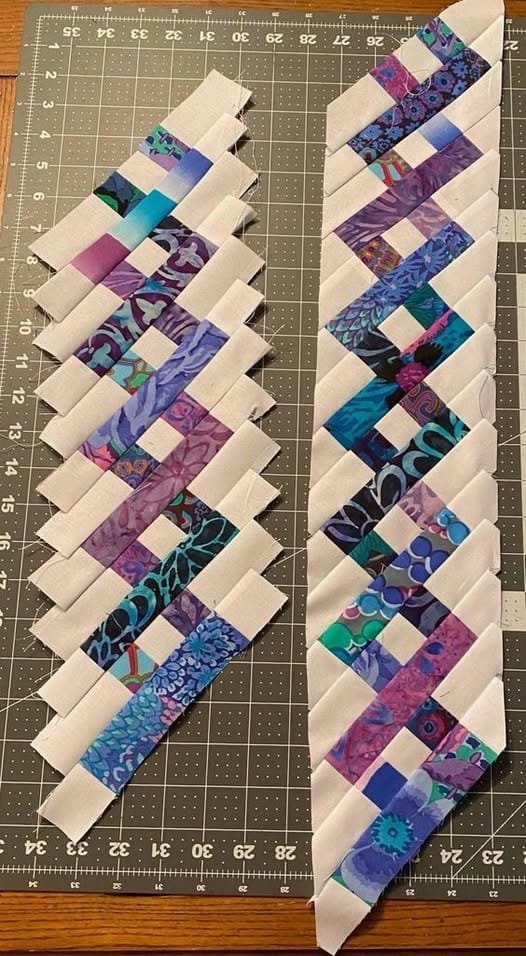
The Meaning Behind the Trinity Celtic Knot
The Trinity Celtic Knot is a timeless design that carries deep spiritual significance. With its three interwoven loops, this knot is commonly interpreted as a symbol of unity and interconnectedness. In Christian tradition, it’s often associated with the Holy Trinity—Father, Son, and Holy Spirit—while in older Celtic beliefs, it may represent life, death, and rebirth, or mind, body, and spirit.
What makes this symbol especially beautiful in quilts is its seamless flow. The design has no beginning or end, which symbolizes eternity and the endless cycle of nature. This resonates strongly with quilters, as quilting itself is a labor of love that passes through generations.
Many quiltmakers choose the Trinity Celtic Knot Pattern to honor heritage, pay tribute to ancestry, or simply celebrate the beauty of sacred geometry. Whether stitched in bold contrasting fabrics or subtle monochromes, this pattern never fails to make an impression.
Its layered meanings offer flexibility in personal expression. You can give it a spiritual twist, a cultural nod, or an artistic interpretation. Some quilters even incorporate this knot into memorial quilts or family heirlooms to represent eternal love and connection.
Because of its versatility, the Trinity Celtic Knot fits into various quilting styles—from minimalist modern quilts to richly detailed traditional designs. Whether you’re a beginner or a seasoned quilter, mastering this pattern can be a meaningful milestone in your creative journey.
Using this motif can also become a form of meditation. As you trace the endless path of the knot with your fabric, thread, and hands, you’re reminded of life’s continuous flow and the unseen forces that bind us together.
How to Create a Trinity Celtic Knot Quilt
Crafting a quilt with a Trinity Celtic Knot Pattern may seem complex at first, but with the right approach, it’s a deeply rewarding process. Begin with selecting the right fabric. Because the knot design involves curves and overlaps, solid or subtly textured fabrics work best to keep the visual impact strong and clear.
Start by sketching or printing the knot design to scale. Use freezer paper or printable interfacing to transfer the pattern to your fabric. This will help in keeping the curves smooth and proportional. Some quilters prefer to use appliqué techniques, while others go for reverse appliqué for more depth.
Next, plan your quilt layout. Decide whether the knot will be the centerpiece or a repeated motif. You could place a large Trinity Celtic Knot in the center of your quilt and frame it with simpler blocks or borders. Or, go bold with multiple interlocking knots across the quilt’s surface.
Use high-contrast colors to make the knot pop. Black and white or jewel tones against neutrals often give stunning results. If you prefer a subtle look, try using tone-on-tone fabrics for a sophisticated finish.
Be patient during assembly. The curves and intersections can be tricky, especially for beginners. Basting and pinning well before sewing is key to keeping everything aligned. Take your time and enjoy the rhythm of creation.
Finally, choose a quilting technique that enhances the knot design. Echo quilting around the knot, or adding hand-stitched details, can emphasize the fluid motion of the design. Binding in a matching color keeps the focus on the knot itself.
Design Ideas and Color Inspirations
The Trinity Celtic Knot Pattern opens the door to endless creativity when it comes to design. One of the most elegant options is to combine the knot with a minimalist background. This allows the motif to truly stand out and take center stage.
For a bolder look, try using metallic or iridescent fabrics for the knot element. This gives the quilt a mystical shine that enhances the spiritual feel of the pattern. Pair it with a dark background for maximum contrast and drama.
Another popular variation involves using gradient or ombré fabrics to create a sense of movement within the knot. This technique mimics the flow of energy and brings a dynamic element to the design.
You can also experiment with placement. Try tilting the knot on a diagonal axis or creating a mirrored layout with two interlocking knots. These small shifts in layout can completely transform the quilt’s personality.
Color themes can tell different stories. Earthy tones give a grounded, natural look. Jewel tones suggest richness and heritage. Pastels soften the design, making it more romantic and dreamy.
Incorporating Celtic borders or corner designs can complement the central knot beautifully. You can use simple knotwork lines along the border to frame the main design, reinforcing the theme while keeping it cohesive.
Tips for Beginners and Common Challenges
If you’re new to quilting or Celtic patterns, don’t be intimidated by the Trinity Celtic Knot Pattern. It may look intricate, but with some guidance, it’s totally achievable. Start with a small project like a pillow cover or a wall hanging to practice your technique.
Use templates or pattern guides to trace the knot precisely. Many quilting books and online sources offer printable versions to help beginners. Investing in a lightbox can also help when aligning your pattern on fabric.
Take your time with curves. Use small, precise stitches and practice turning the fabric gently. Curves are the trickiest part, but they become easier with repetition and patience.
If appliqué feels overwhelming, try using fusible webbing. It can simplify the process by helping pieces stay in place as you stitch them down. Once you’re comfortable, you can explore hand or machine appliqué for a more refined finish.
Another challenge can be keeping the knot symmetrical. Always double-check measurements and angles before cutting your fabric. Even a small misalignment can throw off the entire design.
Lastly, don’t stress over perfection. The beauty of quilting lies in the imperfections that give each piece character. Embrace the process, and let each stitch be part of your learning journey.
FAQ – Trinity Celtic Knot Quilt Questions
What does the Trinity Celtic Knot symbolize in quilts?
It symbolizes unity, eternity, and spiritual connection. Depending on cultural or religious background, it can represent the Holy Trinity, the cycle of life, or the connection between mind, body, and spirit.
Is the Trinity Celtic Knot Pattern hard to sew?
It can be a bit challenging due to the curves, but with templates, patience, and practice, it’s manageable—even for beginners.
Can I use the Trinity Knot in modern quilt designs?
Absolutely. It blends beautifully with both traditional and modern quilt aesthetics, depending on color and layout choices.
What fabric is best for a Trinity Celtic Knot quilt?
Solid or lightly textured fabrics are ideal to maintain clarity in the knot design. High contrast between the knot and background enhances visibility.
Are there pre-made templates available for this pattern?
Yes, many pattern guides offer printable Trinity Celtic Knot templates, which can be enlarged and traced onto fabric for accurate results.
Is this pattern suitable for hand quilting or machine quilting?
Both techniques work well. Hand quilting offers more control over curves, while machine quilting provides speed and precision.
Conclusion
The Trinity Celtic Knot Pattern is more than a quilting motif—it’s a powerful symbol of eternal connection and a beautiful challenge for creative minds. From its ancient roots to its modern applications, this design continues to inspire artists around the world. Whether you’re honoring your heritage, exploring sacred symbolism, or simply in love with the flowing lines of the knot, this pattern is a meaningful addition to any quilting project.