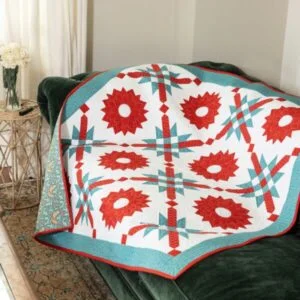
The Snail Trail Block Free Pattern is a timeless quilt block design beloved by both beginner and experienced quilters. Known for its captivating spiral effect, this pattern creates movement and depth in a quilt, making it stand out in any project. Its visual appeal lies in the way each segment builds upon the last, producing a swirling trail that seems to dance across the fabric. Whether you are creating a bold modern quilt or a classic traditional design, this block offers endless possibilities for creative expression.
One of the biggest advantages of the Snail Trail Block Pattern is its versatility. By changing the fabric colors, placement, or scale, you can create dramatically different looks. Some quilters prefer a high-contrast combination for a striking and bold effect, while others opt for soft, tonal fabrics for a more subtle and elegant appearance. This flexibility makes it a must-have pattern in any quilting repertoire.
In this article, we will explore the history of the Snail Trail Block, essential tips for cutting and assembling it, fabric selection strategies, and creative variations you can try. By the end, you will have all the knowledge you need to confidently create your own Snail Trail quilt blocks and use them in your projects.

History and Charm of the Snail Trail Block
The Snail Trail Block Pattern has roots tracing back to early quilting traditions, where geometric designs were often inspired by nature. The swirling spiral of the snail trail resembles the natural shell of a snail, making it an organic yet mathematical design. This connection to the natural world is part of what makes it so enduring and beloved among quilters.
In traditional quilting circles, this block was sometimes called “Monkey Wrench” or “Virginia Reel,” depending on the region. However, the Snail Trail Block name became the most widely recognized due to its unmistakable spiral path. Its charm lies not just in its visual movement, but also in its storytelling aspect — many quilters associate it with journeys, growth, and transformation.
Over the decades, this block has been reimagined in countless ways. Some artisans stick to the classic two-color layout, while others experiment with vibrant multi-color designs. This versatility keeps the Snail Trail Block Pattern fresh and exciting, ensuring it remains a staple in quilting for generations to come.
Modern quilters have also embraced it for its ability to pair well with both traditional and contemporary fabrics. Whether made with reproduction prints, batiks, or minimalist solids, the block adapts beautifully. The balance of order and flow in its design makes it a fascinating study in quilting geometry.
Its spiral illusion is achieved through a careful arrangement of half-square triangles and squares. While the pattern looks intricate, the construction process can be broken down into simple steps that anyone can follow. This makes it accessible to quilters of all skill levels, from complete beginners to seasoned experts.
Finally, part of the charm of the Snail Trail Block Free Pattern is its adaptability in quilt layouts. It can stand alone as a feature block or be combined with other blocks for a more complex quilt top. This versatility is one of the main reasons it continues to inspire quilters around the world.
Essential Steps for Creating a Snail Trail Block
When making the Snail Trail Block Pattern, preparation is key. The design might appear complicated, but it follows a logical progression that becomes easier with practice. Starting with precise cutting and consistent seam allowances will set the foundation for a perfect block.
First, choose your fabrics wisely. Select two or more fabrics with enough contrast to make the spiral design stand out. High contrast fabrics help define the twists and turns of the block, while low contrast combinations give a softer, more blended look.
Next, cut your pieces according to the size of block you wish to make. This pattern typically uses squares and half-square triangles, arranged in a way that forms the spiral. Accuracy in cutting ensures the block pieces align perfectly during assembly.
Sewing the block involves building it layer by layer, starting from a central square and working outward. Each round of pieces adds to the spiral effect, creating the sense of movement the Snail Trail Block is known for. Pressing your seams after each step is important to keep the block flat and neat.
It’s important to maintain a consistent quarter-inch seam allowance throughout. Even small variations can throw off the alignment, especially as the spiral builds. Using a seam guide can help maintain accuracy.
Finally, square up your block after it’s assembled. This step ensures that all your blocks fit together perfectly when joining them in a quilt top. A well-trimmed block not only looks better but also makes the final quilting process smoother.
Choosing the Best Fabrics for a Striking Effect
The impact of your Snail Trail Block Free Pattern largely depends on your fabric choices. This block’s geometry thrives on contrast, so think about how colors and patterns will interact. Solid fabrics or small-scale prints often work best, as they won’t compete with the intricate design.
One popular approach is to pair a bold, dark fabric with a light, neutral fabric. This creates a high-contrast spiral that immediately catches the eye. For a more modern look, try bright, saturated colors against crisp white or black.
If you prefer a softer and more traditional quilt, consider using tonal fabrics or a monochromatic palette. This will give the block a more subtle texture, perfect for vintage-inspired projects. The gentle contrast allows the spiral to blend seamlessly into the quilt.
Batiks and hand-dyed fabrics also bring unique character to the Snail Trail Block Pattern. Their variations in tone and texture add depth and movement, enhancing the swirling effect. This works especially well if you want your quilt to have a rich, organic feel.
When selecting fabrics, think about the overall mood of your quilt. Bold combinations create energy and drama, while muted tones bring calm and elegance. Both approaches work beautifully with the snail trail design, so choose according to your personal style.
Finally, test your fabric combinations before committing. Lay out a mock-up of the block to see how the colors interact. This step can save you from surprises later and ensure that your finished quilt matches your vision.
Creative Variations and Modern Twists
While the traditional Snail Trail Block Free Pattern is stunning on its own, there are many ways to put a modern spin on it. One approach is to change the scale — oversized blocks make a bold statement, while smaller blocks add intricate detail to a quilt.
Another variation is to use multiple colors instead of just two. This creates a rainbow-like spiral effect, adding vibrancy and playfulness to the quilt. You can even use scraps for each section, turning the block into a true scrap-busting project.
Experimenting with background fabrics can also change the block’s appearance. Instead of a solid background, try a subtle print or textured fabric. This can add extra depth to the overall design without overpowering the spiral.
You might also consider rotating or alternating the block in your quilt layout. When arranged in different directions, the Snail Trail Block can form secondary patterns, such as pinwheels or interlocking spirals. This adds complexity and visual interest to the quilt.
For quilters who enjoy adding extra detail, incorporating applique or embroidery within the center square can make the block unique. A small motif or monogram can turn each block into a personalized statement piece.
Finally, mixing the Snail Trail Block Pattern with other classic blocks can produce striking results. Pairing it with simple blocks like squares or half-square triangles can create a balance between movement and stability in your quilt design.
FAQ about The Snail Trail Block Pattern
What is the Snail Trail Block?
It’s a quilt block design featuring a spiral effect made from squares and half-square triangles. It creates the illusion of movement in a quilt.
Is the Snail Trail Block good for beginners?
Yes, with careful attention to cutting and seam allowances, beginners can achieve great results. The block looks complex but is built using simple shapes.
What size should I make my Snail Trail Block?
Sizes vary depending on your project. Common sizes range from 8 to 12 inches, but you can scale up or down to suit your quilt design.
How many colors work best for this block?
Traditionally, two contrasting colors are used, but you can incorporate more for a modern or scrappy look.
Do I need special tools to make it?
A rotary cutter, quilting ruler, and a sewing machine with a quarter-inch foot are helpful. Accuracy in cutting and sewing is key.
Can I mix the Snail Trail Block with other blocks?
Absolutely! It pairs well with simpler blocks and can create unique layouts when alternated with other designs.
Conclusion
The Snail Trail Block Free Pattern is a beautiful and versatile quilt block that combines traditional charm with modern adaptability. From fabric selection to creative variations, this design offers endless opportunities for personalization. Whether you keep it classic or experiment with new ideas, it’s a block that rewards both precision and creativity. If you decide to try it, share your honest opinion and suggestions — your feedback helps inspire even more quilting creativity.