If you’re searching for a Quilted Tote Bag Tutorial Pattern that’s beginner-friendly yet stylish enough to impress, you’re in the right place. This guide brings together creativity, practicality, and a love for quilting all in one place. Whether you want to create a unique gift or just enjoy the satisfaction of carrying a handmade tote, this article will walk you through every detail needed to complete a beautiful quilted bag from scratch.
A quilted tote bag is more than just a craft project—it’s a blend of form and function. You can personalize it with your favorite colors, patterns, and even fabric scraps. Plus, with quilted layers, the bag becomes sturdier and more durable, which is a huge plus for daily use.
In this step-by-step Quilted Tote Bag Tutorial, we’ll go over everything: materials, measurements, sewing techniques, assembly tips, and how to give your bag that polished, store-bought look. Let’s dive into the cozy world of quilting and turn a flat piece of fabric into your next favorite accessory.
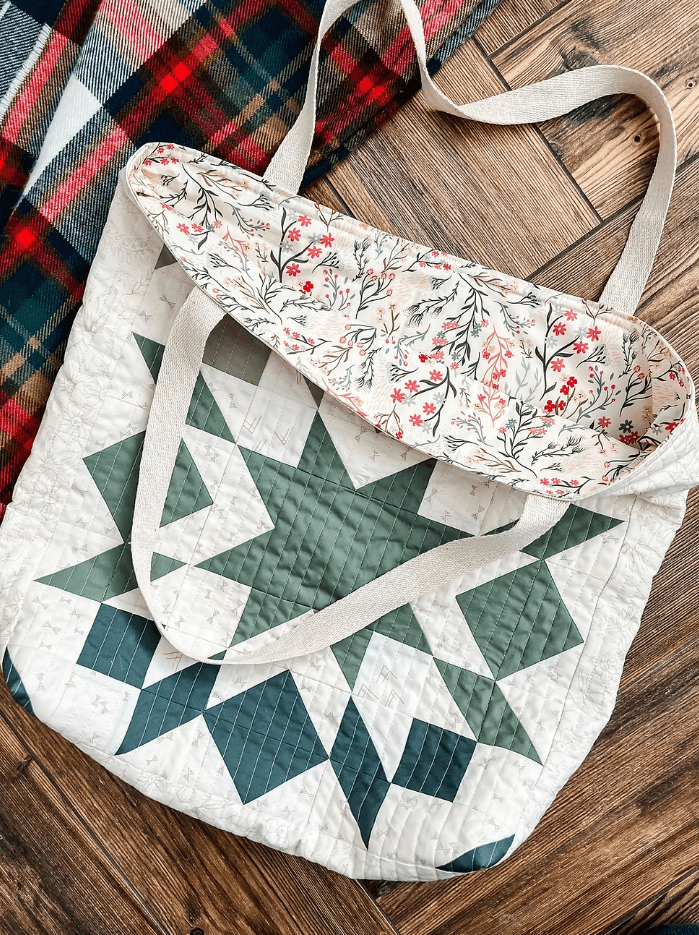
Choosing the Right Materials for Your Quilted Tote Bag
The first step in any Quilted Tote Bag Tutorial Pattern is selecting quality materials. Fabric choice will define both the look and longevity of your tote, so don’t rush this part.
Start with 100% cotton fabric for both the exterior and lining. Cotton is breathable, easy to sew, and ideal for quilting. Choose colors and prints that either complement each other or contrast nicely to give your tote some personality.
You’ll also need batting. Batting is what gives the bag its quilted texture and some structural integrity. Low-loft cotton batting is perfect for tote bags because it adds softness without making the bag too puffy.
Make sure to include a coordinating thread. Your thread choice is important, especially if you plan to quilt with visible top-stitching. Go with a color that blends well or stands out for a more decorative effect.
Don’t forget basic tools: a rotary cutter, cutting mat, quilting ruler, pins or clips, and a good pair of fabric scissors. These will help you cut precisely and work efficiently.
Lastly, consider adding interfacing if you want your bag to hold its shape better. Fusible interfacing can be ironed on for added strength in handles and base areas.
Cutting and Preparing the Fabric Pieces
Accurate cutting is essential for a successful quilted tote bag tutorial. Even a slight misalignment can affect how the pieces come together.
Start by cutting two rectangles of your outer fabric—typically 16” x 18” works well for a medium-sized tote. Cut two matching rectangles of lining fabric and batting.
Cut two strips for the bag handles, usually 4” x 24”. If you want longer shoulder straps, increase the length to 28” or more. You’ll also need batting or interfacing to reinforce the straps.
Place the outer fabric on top of the batting and secure it with pins or basting spray. Now is a good time to mark your quilting lines with a washable fabric marker.
You can choose from various quilting patterns like diagonal lines, crosshatch, or wavy designs. These patterns not only add charm but also keep the layers securely together.
Once quilted, trim any excess batting from the edges. Make sure your pieces are the same size and neatly squared off for easy assembly later.
Prepare the lining by cutting and ironing it flat. If you plan on adding pockets, now is the time to sew them onto the lining fabric.
Assembling the Quilted Tote Bag
With all your pieces ready, it’s time to assemble the quilted tote bag. This is the part where the bag really starts to take shape.
Begin with the handles. Fold each strip in half lengthwise, then fold the raw edges toward the center and press again. Insert batting or interfacing before stitching down both long sides. This gives your handles strength and comfort.
Pin the handles onto the right side of the quilted fabric, 4” from each side. Make sure they aren’t twisted and that they’re aligned properly with the other panel.
Place the two quilted panels right sides together. Sew along the sides and bottom using a ½” seam allowance. Backstitch at the beginning and end for durability.
Repeat the same process for the lining, but leave a 4-inch opening at the bottom. This will be used to turn the bag right side out later.
Box the corners by pinching each bottom corner and sewing across it about 2” from the tip. This creates a flat base and gives your tote bag volume.
Now nest the lining inside the quilted outer bag, right sides together. Sew all the way around the top edge, making sure the handles are positioned between the layers.
Final Touches and Quilting Tips
Turn the bag right side out through the opening in the lining. Push out all the corners carefully to keep them sharp and neat.
Close the lining opening with a straight stitch near the edge or by hand with an invisible stitch. Tuck the lining inside the bag and press the top edge.
Top-stitch around the upper edge of the tote for a professional finish. This also helps keep the lining in place during use.
For extra flair, you can add embellishments like buttons, fabric flowers, or labels. Be creative and make it your own.
Always press your seams as you go. Pressing helps the bag keep its shape and makes the final product look cleaner.
If you’re planning to give your tote as a gift, consider adding a coordinating zipper pouch or fabric tag for a personal touch.
FAQ About Quilted Tote Bag Tutorial Pattern
What size should I cut the fabric for a basic quilted tote bag?
For a medium-sized tote, two 16” x 18” panels for both the outer fabric and lining work well. Adjust size as needed for larger or smaller bags.
Can I use scrap fabric to make a quilted tote bag?
Absolutely! Quilted bags are great for using leftover quilting cottons. Just be sure to match fabric weights for consistency.
Do I need a sewing machine to make this bag?
While you can hand-stitch a tote bag, a sewing machine will make the process much faster and neater, especially for quilting and topstitching.
How do I make the bag sturdier?
Use batting, fusible interfacing, and quality cotton fabric. Reinforce stress points like handles and corners for durability.
What kind of quilting pattern should I use?
Diagonal lines or crosshatch patterns are easy and visually appealing. Wavy lines can add softness, and free-motion quilting offers artistic freedom.
Is this project beginner-friendly?
Yes! This Quilted Tote Bag Tutorial is designed with beginners in mind. With basic sewing skills, anyone can complete it successfully.
Conclusion
Creating your own Quilted Tote Bag is a fulfilling project that combines style, creativity, and practical utility. From selecting beautiful fabrics to quilting and assembling each piece with care, you’re not just making a bag—you’re crafting something that reflects your personality and skills.
Throughout this Quilted Tote Bag Tutorial Pattern, we covered essential steps like material selection, fabric cutting, quilting, bag assembly, and final touches. With more than 1200 words of clear guidance and structure, you now have a complete roadmap to start your own tote bag today.
If this tutorial helped you or inspired your next project, feel free to leave a sincere opinion and share any suggestions you may have. Your feedback helps make every new tutorial even better!