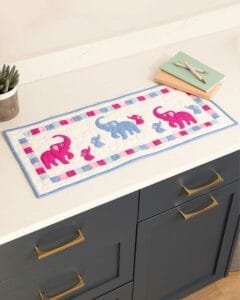
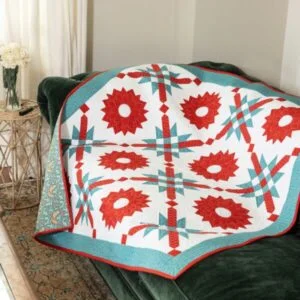
Patchwork Placemats Pattern is a practical and creative sewing project that transforms simple fabric pieces into beautiful, functional table décor. Creating a Patchwork Placemats Pattern allows you to combine color coordination, precise piecing, and structured finishing techniques into one rewarding handmade item.
Whether you are decorating for everyday meals, holiday gatherings, or special occasions, patchwork placemats add warmth and personality to your dining space. With proper planning and careful stitching, this project can produce professional-quality results suitable for personal use or thoughtful gifts.
Learning how to construct a Patchwork Placemats Pattern also strengthens essential sewing skills. Because placemats are smaller than quilts, they are ideal for practicing seam accuracy, pressing techniques, fabric alignment, and edge finishing without committing to a large-scale project.
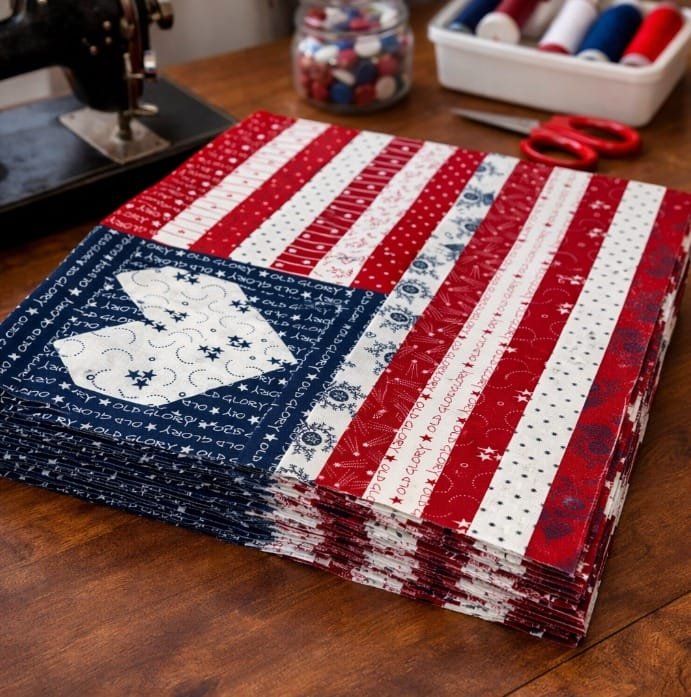
This makes them perfect for beginners developing confidence as well as experienced sewists who want a quick yet polished creation. Precision in cutting and consistent seam allowances are key elements that ensure the final placemat lies flat and maintains a clean geometric appearance.
Another advantage of working with a Patchwork Placemats Pattern is its versatility. You can create modern minimalist designs using solid fabrics, traditional farmhouse styles with gingham or florals, or bold contemporary layouts with contrasting prints. The layout options are nearly endless, from simple square grids to diagonal strip piecing or log cabin-inspired arrangements. By carefully selecting fabrics and planning your layout before sewing, you can achieve a cohesive and visually balanced design that enhances your table setting.
Choosing Fabrics and Preparing Materials
Selecting high-quality materials is the first crucial step in creating a durable Patchwork Placemats Pattern. Quilting cotton is highly recommended because it is easy to sew, holds its shape well, and withstands frequent washing. Choose fabrics that complement each other in color and scale. Combining small-scale prints with larger patterns creates visual depth without overwhelming the design.
Before cutting, wash and press all fabrics to remove shrinkage and wrinkles. Pressing ensures accurate measurements and smooth stitching lines. Use a rotary cutter, self-healing cutting mat, and quilting ruler for precise cuts. Consistency in cutting directly affects seam alignment and the overall symmetry of the placemat.
Standard placemat sizes range between 12×16 inches and 14×18 inches. Decide on your finished dimensions before cutting fabric pieces. Remember to include seam allowances when calculating measurements. Accurate planning prevents size inconsistencies later in the assembly process.
In addition to fabric, gather cotton batting or insulated batting for structure and heat protection. A sturdy backing fabric is also required to complete the layered construction.
Constructing the Patchwork Top
Begin assembling the Patchwork Placemats Pattern by arranging your cut fabric pieces on a flat surface. This step allows you to finalize color placement and pattern orientation. Taking time to review the layout reduces mistakes and ensures visual harmony.
Sew pieces together in rows using a consistent ¼-inch seam allowance. After stitching each seam, press carefully to one side or open, depending on your preference. Proper pressing reduces bulk and helps the patchwork lie flat.
Once individual rows are complete, join them together, aligning seams carefully. Pin at seam intersections to maintain straight lines. Precision during this stage ensures that corners match neatly and that the placemat retains its geometric structure.
After assembling the full patchwork panel, measure and trim edges if necessary to square the top. Clean edges simplify layering and finishing.
Layering and Quilting for Durability
To create a functional Patchwork Placemats Pattern, layering is essential. Place the patchwork top face down, add batting or insulated lining, and position the backing fabric underneath. Smooth all layers to remove wrinkles.
Secure the layers using quilting pins or temporary spray adhesive to prevent shifting. Quilting adds stability and decorative texture. Straight-line quilting is simple and effective, while diagonal lines or grid patterns provide additional visual interest.
Keep quilting lines evenly spaced for a professional look. After quilting, trim excess batting and backing fabric so all layers align evenly.
Proper quilting not only enhances appearance but also reinforces the placemat for long-term use.
Finishing Edges and Final Details
Finishing the edges completes the Patchwork Placemats Pattern. One common method is binding, which involves sewing fabric strips around the raw edges to create a durable border. Binding adds a classic quilted appearance and strengthens the perimeter.
Alternatively, you can use a turn-and-topstitch method. Sew the top and backing right sides together, leave an opening, turn right side out, and topstitch around the edge. This technique creates a smooth, modern finish.
Press the finished placemat thoroughly to smooth edges and sharpen corners. Inspect all seams for loose threads or uneven stitching. Reinforce corners if necessary for extra durability.
With careful construction and attention to detail, your placemat will be both decorative and practical for everyday dining.
FAQ
What fabric is best for a Patchwork Placemats Pattern?
Quilting cotton is ideal because it is durable, easy to sew, and washable.
Do I need batting inside placemats?
Yes, batting adds structure and protects the table. Insulated batting is recommended for hot dishes.
What is the standard placemat size?
Most placemats measure between 12×16 inches and 14×18 inches.
Is this project suitable for beginners?
Yes, patchwork placemats are excellent beginner projects that teach fundamental sewing techniques.
Can patchwork placemats be machine washed?
Yes, if constructed with cotton fabrics and proper stitching, they can be washed on a gentle cycle.
Conclusion
Creating a Patchwork Placemats Pattern is a rewarding sewing experience that combines creativity, structure, and functionality. From fabric selection and precise piecing to quilting and edge finishing, each step contributes to a polished final product. These handmade placemats enhance your dining area while showcasing your craftsmanship. If this guide helped you, please leave your honest opinion and suggestions. Your feedback supports continued improvement and inspires future creative projects.
One of the most rewarding aspects of working with a Patchwork Placemats Pattern is the opportunity to experiment with seasonal themes throughout the year. You can create fresh floral designs for spring, bright and cheerful prints for summer, warm earthy tones for autumn, and festive patterns for winter celebrations. Rotating handmade placemats according to the season keeps your dining area feeling updated and inviting without major redecorating. Because placemats require relatively small amounts of fabric, they are also ideal for using leftover materials from larger quilting projects, reducing waste while encouraging creative combinations.
Another important benefit of mastering the Patchwork Placemats Pattern is the improvement of your precision sewing skills. Maintaining straight seams, aligning corners, and pressing properly all contribute to a professional finish. As you repeat the process across multiple placemats, your accuracy naturally improves. Over time, this practice strengthens your ability to manage more complex quilting and sewing projects. Small-scale items like placemats allow you to refine techniques such as seam nesting, consistent topstitching, and even quilting spacing, all of which are essential skills for larger handcrafted pieces.
Additionally, the Patchwork Placemats Pattern offers wonderful gift potential for family gatherings, housewarmings, or holiday celebrations. Handmade placemats reflect thoughtfulness and effort, making them meaningful presents that combine beauty and function. Personalizing color schemes to match the recipient’s home décor adds a special touch that store-bought items often lack.
VIDEO TUTORIAL
By investing time in careful construction and durable finishing, you create placemats that can be enjoyed daily while showcasing your craftsmanship. With continued practice and creativity, this simple project can evolve into a signature handmade collection.