The Log Cabin Quilt Pattern is one of the most beloved and iconic designs in the world of quilting. Known for its timeless appeal and structured layout, this classic pattern has captured the hearts of generations of quilters.
At its core, the Log Cabin Quilt Pattern is built from a central square, typically red or yellow to represent the hearth or light, and surrounded by strips of fabric known as “logs.”
In this article, we’ll dive deep into the Log Cabin Quilt Pattern, explore its history, modern uses, and how you can create your own variation.
The History and Symbolism Behind the Log Cabin Quilt Pattern
The origins of the Log Cabin Quilt Pattern date back to the mid-1800s. It quickly became a popular design across the United States, particularly during the Civil War era. Its symbolism and construction reflect values like home, stability, and family unity — making it a deeply meaningful choice for many quilters.
Each block starts with a center square, often in red or yellow, which historically symbolized the fireplace or candlelight — the warm, comforting heart of the home. The surrounding fabric strips are arranged in contrasting light and dark tones, creating a sense of balance and direction in the quilt’s overall design.
The popularity of the Log Cabin Quilt Pattern also spread across different cultures, adapted with regional fabric choices and sewing techniques. The structure of the block lends itself well to repetition and variation, which is why it remains one of the most taught and shared quilt blocks in the world.
Quilters love the Log Cabin Quilt Pattern because it offers both structure and freedom. You can follow a traditional layout, such as the barn raising or courthouse steps, or you can experiment with color gradients and modern fabrics to put a new twist on an old favorite.
This deep-rooted cultural connection and design flexibility have helped the Log Cabin Quilt Pattern stand the test of time. Even today, you’ll find it featured in quilt shows, workshops, and modern crafting blogs.
How to Make a Log Cabin Quilt Block
Creating your own Log Cabin Quilt Pattern block is an exciting project that allows for personal expression within a structured framework. If you’re new to quilting, don’t worry — this pattern is beginner-friendly and incredibly rewarding.
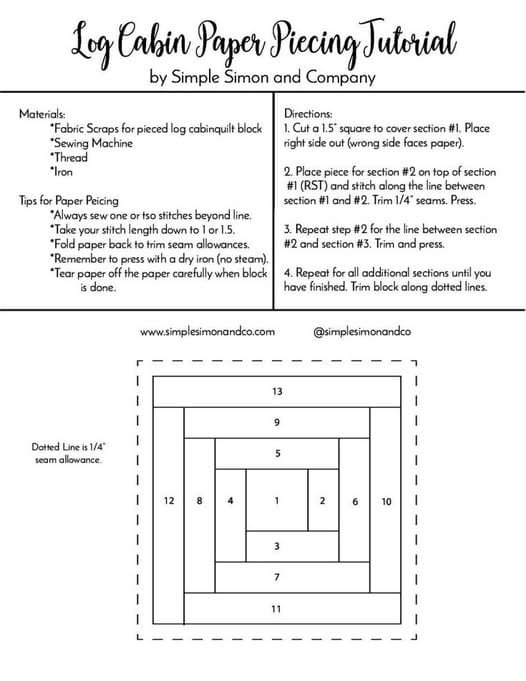
Start with a center square. Traditionally, red represents the hearth, but feel free to choose any color that speaks to you. Cut your fabric into a square, usually 2.5 inches by 2.5 inches. This will be the heart of your block.
Next, prepare your “logs” — fabric strips that will be sewn around the center square. These strips are typically 2.5 inches wide but vary in length depending on their position in the block. Choose contrasting fabrics for the light and dark sides to give your quilt that signature Log Cabin look.
Sew the logs in a spiral or ladder-like fashion around the center square, always adding to the same side in a clockwise or counterclockwise direction. Press the seams as you go to keep your block flat and clean.
Repeat the process for each side until your block reaches the desired size. A standard block is often around 12 inches square, but you can adjust based on your quilt design. Trim your block to ensure sharp, clean edges.
Once you’ve completed enough blocks, arrange them in your chosen layout. Popular arrangements include “Straight Furrows,” “Barn Raising,” and “Fields and Furrows.” These designs bring movement and depth to your finished quilt.
Finally, assemble the blocks with sashing or directly together, add batting and backing, and quilt as desired. Finish with binding to give your quilt that polished edge.
Modern Variations of the Log Cabin Quilt Pattern
Although the Log Cabin Quilt Pattern is steeped in tradition, modern quilters have found countless ways to reinvent it. From bold color choices to asymmetrical layouts, there’s no limit to how contemporary your Log Cabin quilt can look.
One popular variation is the Wonky Log Cabin. This style breaks free from straight lines and right angles, creating an abstract, whimsical look that adds personality to each block. It’s perfect for scrap quilting and expressive fabric play.
Another creative option is the use of negative space. Instead of filling the entire quilt with blocks, you can space them out on a solid background fabric, giving the design room to breathe and creating a more minimalist aesthetic.
Color gradients also bring a modern touch to the Log Cabin Quilt Pattern. Arranging blocks from light to dark or using ombré fabrics can create stunning visual effects that mimic light and shadow or add a sense of motion.
Incorporating non-traditional fabrics like linen, denim, or even upcycled materials adds texture and uniqueness to your project. It’s a great way to make eco-conscious choices while crafting something beautiful.
Some quilters also explore the idea of Log Cabin mashups — combining the basic structure with other blocks like stars, hearts, or flying geese to create hybrid quilts that showcase multiple techniques.
Digital quilting tools and software now allow you to plan your layout, experiment with color palettes, and calculate fabric needs, streamlining the creative process and encouraging innovation in every stitch.
Tips for Choosing Fabrics and Colors
Selecting the right fabrics is one of the most enjoyable — and sometimes challenging — parts of working with the Log Cabin Quilt Pattern. Because this pattern depends on contrast and repetition, fabric choice plays a key role in your quilt’s overall impact.
Start by deciding on your color palette. Do you want a traditional red and cream combination? A rustic, earthy mix of browns and greens? Or a vibrant, modern rainbow? Your answer will guide your fabric selections moving forward.
Think in terms of contrast. One of the defining features of the Log Cabin Quilt Pattern is the division between light and dark sides. Choose fabrics that differ significantly in tone, even if they’re from the same color family.
Consider texture and print size. Small prints or solids often work best for the “logs” because they don’t compete visually with the block’s structure. However, a few bold or fussy-cut pieces can add interest and personality.
Don’t be afraid to mix and match. Modern quilting embraces the blend of different fabric collections, designers, and even eras. Mixing vintage with new can result in a quilt that feels both nostalgic and fresh.
Pre-washing your fabrics is recommended, especially if you’re mixing cotton with other materials. This prevents color bleeding and shrinkage after the quilt is completed.
Finally, always audition your fabrics before cutting. Lay them out next to each other, or use a design wall or app to visualize how they’ll look together. This simple step can save time and fabric while ensuring a cohesive final design.
Frequently Asked Questions (FAQ)
What is the meaning behind the Log Cabin Quilt Pattern?
Traditionally, the center square represents the hearth of the home, and the surrounding logs symbolize the walls of the cabin. It’s a pattern that reflects warmth, family, and structure.
Is the Log Cabin Quilt Pattern good for beginners?
Yes! It’s one of the best patterns for those new to quilting. The repetitive structure helps build sewing confidence and accuracy, while still allowing for creativity.
What are the standard dimensions of a Log Cabin block?
A common size is 12×12 inches, but you can scale it up or down. The block size depends on the width of your logs and how many rounds you sew around the center square.
Do I need special tools to make a Log Cabin quilt?
Not necessarily. A rotary cutter, ruler, cutting mat, and sewing machine are enough. However, a design wall and strip-piecing tools can make the process faster and more precise.
How can I make my Log Cabin quilt look more modern?
Try using bold colors, irregular log widths, asymmetrical arrangements, or modern fabric prints. Even adding negative space can give your quilt a contemporary feel.
Can I use scraps for this pattern?
Absolutely. The Log Cabin Quilt Pattern is perfect for scrap quilting. You can mix colors, prints, and even fabric types for a rich, textured finish.
Conclusion
The Log Cabin Quilt Pattern is much more than a classic design — it’s a canvas for storytelling, creativity, and tradition. Whether you’re drawn to its historical roots or inspired by its modern reinventions, this pattern provides the perfect opportunity to explore and grow your quilting skills.
From fabric selection to layout planning, each decision you make brings a piece of yourself into the quilt. That’s the beauty of quilting — and especially of the Log Cabin Quilt Pattern.
If you’ve enjoyed this guide, we’d love to hear from you. Share your thoughts, experiences, or tips about making Log Cabin quilts in the comments. Your feedback helps others and keeps this incredible quilting tradition alive.