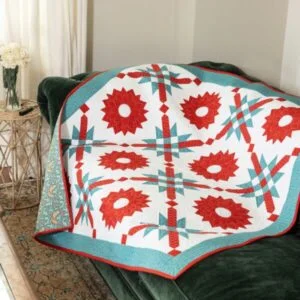
The Log Cabin Cross Quilt Pattern is a stunning combination of tradition, geometry, and meaningful symbolism. This classic design merges the iconic Log Cabin layout with the symbolic cross, creating a quilt that is both visually striking and deeply personal.
For generations, the Log Cabin Quilt has been associated with warmth, family, and the comfort of home. Each “log” represents a piece of life, carefully sewn together to create a sense of belonging and connection.
One of the most appealing aspects of the Log Cabin Cross Quilt Pattern is its adaptability. It can be made in bright, modern fabrics for a contemporary look, or in soft, vintage tones for a timeless feel. The design allows for creative freedom—some quilters prefer to make it symmetrical, while others experiment with asymmetry or gradients of color.
Understanding the History and Symbolism of the Log Cabin Cross Quilt Pattern
The Log Cabin design has deep roots in American quilting history, tracing back to the 1800s. Traditionally, the center square of each block represented the hearth of a home, often made with red fabric to symbolize warmth and love. Surrounding strips—or “logs”—were added in alternating light and dark shades to signify life’s dualities: day and night, happiness and sorrow, safety and danger. The Log Cabin Cross Quilt Pattern carries this symbolism forward, adding the spiritual and emotional significance of the cross to create a powerful visual story.
The cross motif within the quilt block became especially popular among communities that viewed quilting as both art and expression of faith. The Log Cabin Cross Quilt Pattern often appears in church quilts, charity projects, and family heirlooms passed down through generations. Each stitch represents a prayer, a hope, or a memory, giving the quilt emotional depth that goes far beyond its aesthetic beauty.
Over time, the pattern evolved, influenced by cultural shifts and fabric innovations. Modern quilters now use the Log Cabin Cross Quilt Pattern to explore abstract interpretations, blending traditional quilting methods with modern color palettes. Some even incorporate printed fabrics that tell stories of their heritage or personal journey.
Beyond symbolism, the design’s geometric structure makes it a favorite for those who love precision and symmetry. The grid-like construction allows quilters to experiment freely with placement and balance. Even small changes in fabric tone can dramatically alter the final appearance.
Today, the Log Cabin Cross Quilt Pattern is seen in art exhibitions, modern quilt shows, and digital pattern platforms. Its blend of faith, geometry, and personal storytelling continues to inspire a new generation of creators.
If you appreciate quilts that carry emotional weight and historical resonance, this timeless pattern may be the perfect choice for your next project.
Essential Materials and Preparation for Your Log Cabin Cross Quilt Pattern
Before you start sewing your Log Cabin Cross Quilt Pattern, gathering the right materials is essential. This step sets the foundation for both the durability and the appearance of your finished quilt. You’ll need high-quality cotton fabrics in various shades, a reliable sewing machine, a rotary cutter, cutting mat, and quilting ruler. Always prewash and press your fabrics before cutting to prevent shrinkage and distortion later.
When selecting colors, think about contrast. The Log Cabin Cross Quilt Pattern relies heavily on light and dark sections to highlight the cross design. Choose fabrics that clearly define these tones. For instance, using soft neutrals on one side and bold colors on the other can make the cross stand out beautifully.
Thread choice also matters more than many quilters realize. Use a strong cotton thread that matches or complements your fabric tones. For piecing, a neutral shade like beige or gray usually works best, but you can also experiment with contrasting threads for artistic flair.
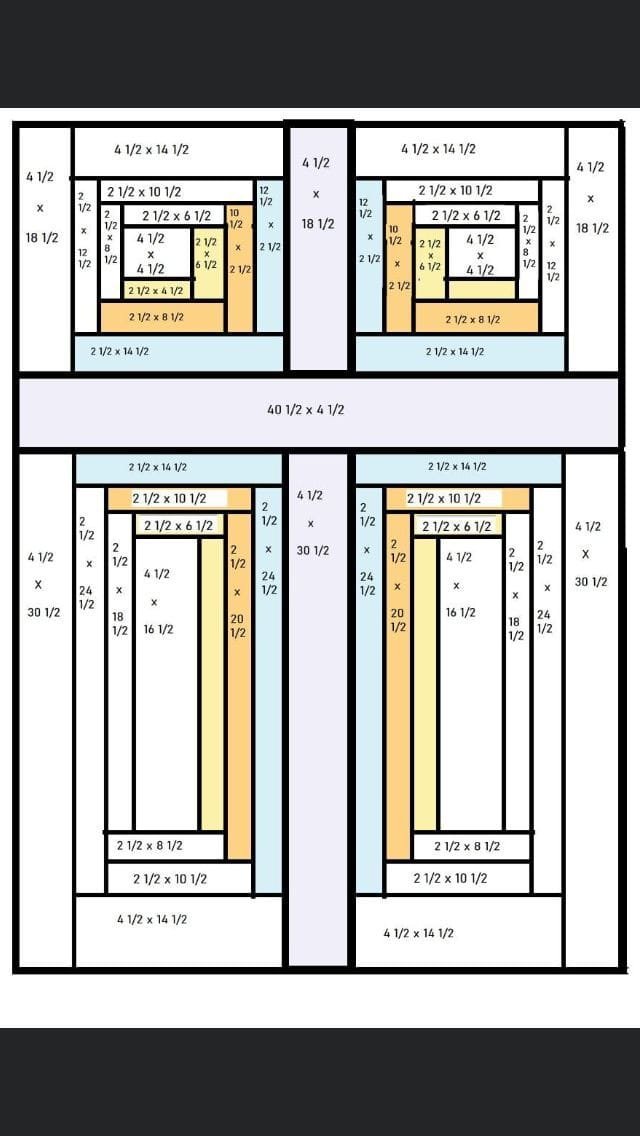
Cutting accuracy is key to achieving a crisp, balanced quilt. Measure each strip carefully to ensure uniform width and length. The classic Log Cabin Cross Quilt Pattern typically starts with a central square, surrounded by fabric strips sewn in sequence. Maintain consistency in your seam allowance—usually ¼ inch—for all blocks.
Layout planning is another important part of the preparation process. Before you sew the blocks together, lay them out on a flat surface or design wall to preview how your colors and patterns interact. This step lets you make adjustments before final assembly.
Finally, don’t rush the process. Quilting is an art form that rewards patience and mindfulness. Taking time to align your seams, press each block, and admire your progress will make your Log Cabin Cross Quilt Pattern even more meaningful.
Step-by-Step Guide to Sewing the Log Cabin Cross Quilt Pattern
Creating a Log Cabin Cross Quilt Pattern may seem complex, but the process is straightforward once you understand the sequence. Begin by cutting a central square—this is the symbolic heart of your quilt. Surround this square with fabric strips, adding one log at a time in a clockwise or counterclockwise direction. This method ensures the block grows evenly while keeping the cross design centered.
Each fabric strip, or “log,” should be sewn carefully and pressed after each addition. Precision is key; small inaccuracies can throw off the entire block alignment. Keep your seams straight, and always press towards the outer edge of the block to maintain flatness.
Once all individual Log Cabin Cross Quilt Pattern blocks are complete, it’s time to assemble them. Arrange the blocks to form the overall cross design. Depending on your fabric choices, you may create a single large cross or multiple smaller crosses within a grid. Play with layouts until you find one that balances color, contrast, and symmetry.
After assembling the quilt top, layer it with batting and backing fabric. Pin or baste the layers together to prevent shifting during quilting. You can quilt by hand or use a sewing machine—either option works beautifully. Machine quilting offers speed and precision, while hand quilting adds a traditional, artisanal touch.
Choose a quilting design that enhances your pattern. Straight-line quilting often complements the Log Cabin Cross Quilt Pattern perfectly, emphasizing its clean geometry. However, free-motion quilting can add depth and personality if you prefer a more textured finish.
Finally, bind your quilt with a sturdy fabric edge. Choose a binding color that frames your quilt nicely—either a contrasting shade for drama or a subtle tone for harmony. Once finished, your Log Cabin Cross Quilt Pattern will be ready to display or gift proudly.
Creative Variations and Styling Ideas for the Log Cabin Cross Quilt Pattern
One of the greatest joys of working with the Log Cabin Cross Quilt Pattern is its flexibility. There’s no single “right” way to interpret it. You can play with scale, color, and composition to create a quilt that reflects your unique artistic style.
For a modern twist, consider using bold, high-contrast fabrics like black and white or bright neon hues. Minimalist quilters often use a limited palette of two or three colors, focusing on sharp lines and clean visual balance. The Log Cabin Cross Quilt Pattern adapts beautifully to this aesthetic.
Alternatively, if you love traditional charm, use reproduction fabrics or muted tones like dusty rose, cream, and navy. These shades evoke vintage elegance and make your quilt feel timeless. Adding floral or textured prints can give your design extra depth and warmth.
Another creative option is to experiment with asymmetrical layouts. Instead of placing the cross in the center, try offsetting it for a more dynamic look. This modern approach can turn your Log Cabin Cross Quilt Pattern into a striking wall art piece.
FAQ – Log Cabin Cross Quilt Pattern
1. What size should I cut my strips for a Log Cabin Cross Quilt Pattern?
Most strips are cut between 1½ to 2½ inches wide, depending on your desired block size. Keeping consistency across all blocks is essential for clean alignment.
2. Can beginners make a Log Cabin Cross Quilt Pattern?
Absolutely! This pattern is beginner-friendly once you understand basic quilting techniques like accurate cutting, seam allowances, and block assembly.
3. How many fabrics do I need for this quilt?
You’ll typically need at least two color groups—light and dark fabrics—to create the cross contrast. However, using more shades can add visual interest.
Conclusion
The Log Cabin Cross Quilt Pattern is more than just a sewing project—it’s a work of art that combines heritage, symbolism, and creativity. From its historic roots to modern interpretations, it remains a beloved design among quilters worldwide. With the right materials, thoughtful color choices, and careful stitching, you can create a quilt that reflects both your skill and your story.