How To Make Fabric Hexagon Pattern is one of the most searched techniques among quilting and sewing enthusiasts who want to create timeless, geometric designs with fabric.
Learning How To Make Fabric Hexagon Pattern opens the door to beautiful patchwork projects such as quilts, pillow covers, table runners, and decorative wall art.
The hexagon shape is especially loved because it fits together seamlessly, creating a honeycomb effect that looks both classic and modern.
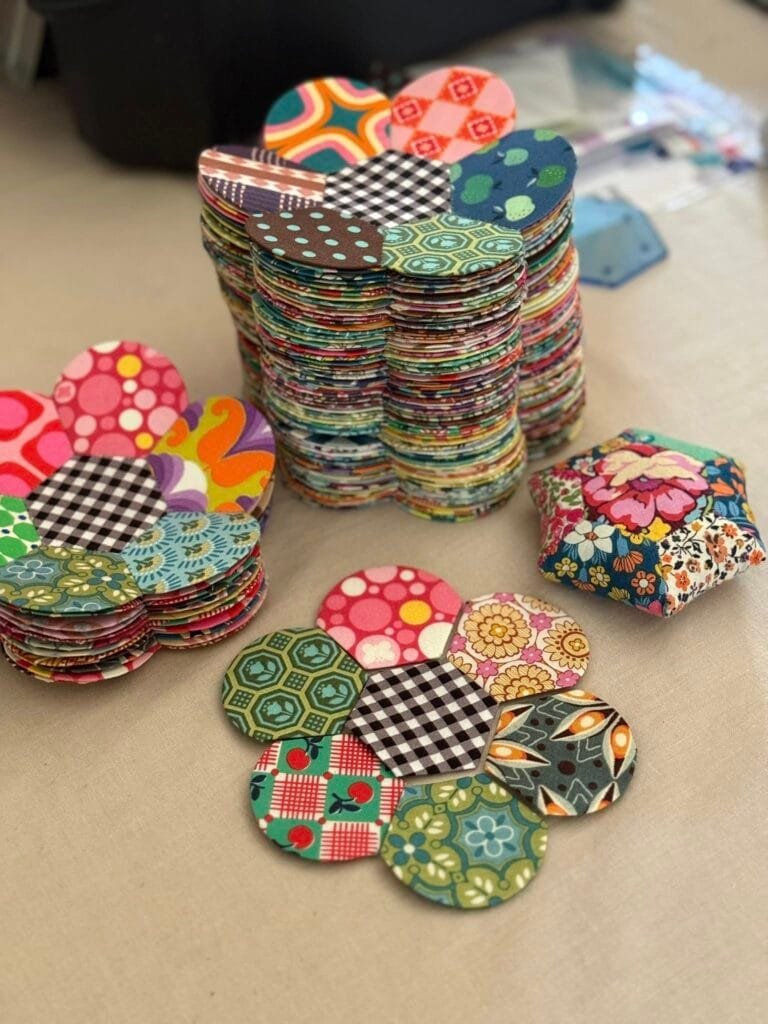
For many crafters, mastering How To Make Fabric Hexagon Pattern feels like unlocking a new creative skill. Hexagon patchwork, often associated with English Paper Piecing (EPP), allows for precise shapes and endless color combinations.
Whether you prefer soft pastel tones or bold contrasting prints, hexagon patterns give you complete creative freedom.
One of the reasons How To Make Fabric Hexagon Pattern remains popular is its versatility. You can hand stitch it for a relaxing, portable project or use a sewing machine for faster results. In this comprehensive guide, you will learn about essential materials, step-by-step methods, creative layout ideas, finishing techniques, and frequently asked questions to help you confidently create stunning fabric hexagon designs.
Essential Materials for How To Make Fabric Hexagon Pattern
Before starting your project, gathering the right tools is crucial when learning How To Make Fabric Hexagon Pattern. Cotton quilting fabric is the most commonly used material because it is durable, easy to cut, and holds its shape well.
You will need a hexagon template. These templates can be made from cardstock, thin plastic, or pre-cut paper pieces. The template size determines the final scale of your hexagon pattern, so choose carefully based on your project goals.
A rotary cutter, quilting ruler, and cutting mat ensure clean and accurate fabric cuts. Precision is key when working with geometric shapes to ensure proper alignment.
If you are using the English Paper Piecing method, paper hexagon inserts help maintain consistent shape during stitching. For machine sewing, accurate seam allowances are equally important.
Basic sewing supplies such as needles, thread, fabric clips or pins, and scissors are necessary for assembly. Selecting high-quality thread improves durability and appearance.
Finally, having an iron nearby is highly recommended. Pressing fabric pieces during each stage helps maintain crisp edges and professional results.
Step-by-Step Guide on How To Make Fabric Hexagon Pattern
The first step in How To Make Fabric Hexagon Pattern is creating or selecting your hexagon template. Trace the template onto the wrong side of your fabric and add a seam allowance, typically about ¼ inch around each side.
Cut out the fabric hexagons carefully, ensuring even seam allowances. Consistency at this stage makes assembly much smoother.
If using English Paper Piecing, place the paper template in the center of the fabric hexagon. Fold the seam allowance over the edges of the paper and secure with thread using small basting stitches.
Once you have prepared several hexagons, begin joining them by placing two pieces right sides together. Whip stitch along one edge using small, even stitches for a neat finish.
Continue adding hexagons one by one, forming a honeycomb layout. The geometric arrangement naturally creates a visually pleasing pattern.
After assembling your desired layout, remove the paper templates (if using EPP), press the joined fabric gently, and attach it to your final project base, such as quilt batting or backing fabric.
Creative Layout Ideas for Fabric Hexagon Pattern
One of the most exciting aspects of learning How To Make Fabric Hexagon Pattern is experimenting with layout designs. A traditional honeycomb layout creates a uniform and symmetrical look.
You can also arrange hexagons to form larger shapes such as flowers, stars, or diamond patterns. Strategic color placement enhances visual impact.
Gradient color transitions create a modern effect. For example, moving from light to dark shades across the layout adds depth and movement.
Scrap fabric projects are perfect for hexagon patterns. Mixing different prints gives a charming, vintage-inspired aesthetic.
Minimalist designs using neutral tones offer a clean and elegant appearance suitable for modern home décor.
For a bold statement, use contrasting colors to highlight specific hexagon clusters, creating focal points within the design.
Finishing and Care Tips for Fabric Hexagon Pattern Projects
After completing your hexagon design, proper finishing ensures longevity. Press all seams carefully to maintain a flat surface.
If incorporating the hexagon panel into a quilt, layer it with batting and backing before quilting. Secure stitching prevents shifting during use.
For smaller projects like cushion covers, ensure all edges are reinforced to withstand regular handling.
Wash finished projects gently using mild detergent, especially if using cotton fabrics.
Air drying is recommended to preserve fabric integrity and prevent shrinkage.
Proper storage in a dry, breathable space protects your handmade hexagon creations from damage over time.
Frequently Asked Questions (FAQ)
Is How To Make Fabric Hexagon Pattern suitable for beginners?
Yes, especially using English Paper Piecing, which allows beginners to work at a relaxed pace.
What size should my hexagons be?
Common sizes range from 1 to 3 inches per side, depending on the project scale.
Do I need special tools for hexagon quilting?
Basic quilting tools are sufficient, though templates improve accuracy.
Can I sew hexagons using a machine?
Yes, machine sewing is faster but requires precise seam alignment.
How long does it take to complete a hexagon quilt?
Completion time depends on size and complexity; small projects may take days, while large quilts can take weeks.
Is pressing necessary during the process?
Yes, regular pressing ensures clean edges and a professional finish.
Conclusion
Learning How To Make Fabric Hexagon Pattern is a rewarding experience that combines precision, creativity, and timeless design. Throughout this guide, we explored essential materials, step-by-step instructions, creative layout ideas, and finishing techniques. By practicing careful cutting, consistent stitching, and thoughtful color placement, you can create beautiful geometric projects that reflect your personal style.
Fabric hexagon patterns offer endless possibilities for quilts, décor, and handmade gifts. If you found this guide helpful, we would love to hear your honest opinion and suggestions. Your feedback encourages creativity and supports a growing community of passionate sewing enthusiasts.
Mastering How To Make Fabric Hexagon Pattern opens the door to endless creative possibilities, from charming patchwork quilts to decorative pillows, table runners, and handmade accessories. Once you feel confident cutting, folding, and stitching your hexagons together, you will notice how naturally the shapes align to create visually stunning geometric designs. The beauty of the How To Make Fabric Hexagon Pattern process lies in its versatility — you can experiment with bold contrasts, soft pastels, floral prints, or modern minimalist palettes to match your personal style. With patience and consistent seam allowances, your finished project will look polished, balanced, and beautifully handcrafted.
In the end, learning How To Make Fabric Hexagon Pattern is not only about sewing shapes together but also about developing precision, creativity, and attention to detail. Each hexagon represents a small step that contributes to a larger, cohesive design. Whether you are a beginner exploring fabric crafts or an experienced quilter refining your technique, this method offers both relaxation and artistic satisfaction.
VIDEO TUTORIAL
If this guide helped you better understand the process, consider sharing your experience and suggestions — your feedback can inspire even more creative fabric projects in the future.