How to Make a Sunflower Dresden Plate Quilt Pattern is a question many quilting enthusiasts ask when they want to combine timeless tradition with the bright beauty of floral design.
Learning how to make a Sunflower Dresden Plate Quilt Pattern allows you to transform simple cotton fabrics into a radiant sunflower-inspired quilt block that instantly captures attention.
This pattern is perfect for adding warmth to your home décor, creating thoughtful handmade gifts, or expanding your quilting skills with a classic yet creative technique.
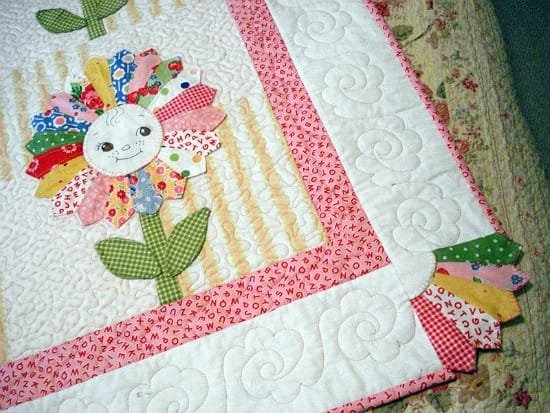
The Sunflower Dresden Plate Quilt Pattern is inspired by the traditional Dresden Plate quilt pattern, a beloved quilting design known for its circular arrangement of fabric blades.
By choosing sunflower colors—rich golden yellows, warm browns, and soft greens—you can recreate the look of blooming petals surrounding a textured center. The result is a quilt block that feels lively, welcoming, and full of personality.
If you’ve been searching for a structured, beginner-friendly guide on how to make a Sunflower Dresden Plate Quilt Pattern, this complete tutorial will walk you through every step. From fabric selection and cutting techniques to assembly, appliqué, and finishing touches, you’ll learn everything needed to create a polished and eye-catching quilt. With patience and attention to detail, even confident beginners can master this stunning design.
Materials and Fabric Selection for a Sunflower Dresden Plate Quilt Pattern
Choosing the right materials is the foundation of successfully learning how to make a Sunflower Dresden Plate Quilt Pattern. Fabric quality, color harmony, and precise tools all contribute to a professional-looking result. Preparation makes the quilting process smoother and more enjoyable.
Start with high-quality quilting cotton. Cotton fabric is durable, easy to sew, and holds its shape well—ideal for the structured blades of the Dresden plate. Select multiple shades of yellow and gold for the sunflower petals to create depth and dimension.
For the center of the sunflower, choose a rich brown or deep amber fabric. Some quilters even use subtle prints to mimic the texture of real sunflower seeds. This contrast between petals and center is essential to achieving the sunflower effect within the Dresden Plate quilt pattern.
Essential tools include a rotary cutter, cutting mat, quilting ruler, and a sewing machine. A Dresden plate template is highly recommended to ensure uniform blade shapes. Accurate cutting will greatly improve alignment during assembly.
Background fabric is equally important. Neutral tones like cream, soft beige, or pale blue allow the sunflower design to stand out beautifully. Selecting a background that complements rather than competes with the petals enhances the overall aesthetic.
Finally, prepare batting and backing fabric for quilting. Cotton batting offers warmth without bulk, while coordinating backing fabric gives your quilt a polished finish. With materials ready, you’re fully prepared to begin creating your Sunflower Dresden Plate Quilt Pattern.
Step-by-Step Instructions on How to Make a Sunflower Dresden Plate Quilt Pattern
Understanding the construction process is key when learning how to make a Sunflower Dresden Plate Quilt Pattern. While the design may look intricate, breaking it down into manageable steps simplifies the experience.
Begin by cutting fabric strips into wedge-shaped blades using your Dresden template. Most sunflower plates use 16 to 20 blades to create a full, rounded look. Consistency in cutting ensures smooth assembly and symmetrical results.
Next, fold the top of each blade right sides together and stitch across the wide edge. This seam creates the pointed or rounded petal tip. After sewing, turn the blade right side out and carefully press with an iron to define crisp edges.
Once all blades are prepared, sew them together side by side to form a complete circular plate. Keep seam allowances consistent to maintain a flat, even circle. Press seams gently in one direction to reduce bulk.
After assembling the plate, create the sunflower center by cutting a fabric circle. This circle will be appliquéd over the middle where all blade points meet. The center not only enhances the sunflower appearance but also hides seam intersections neatly.
Position the completed Dresden plate onto your background square. Secure it with pins before stitching. Appliqué can be done using a straight stitch, zigzag stitch, or decorative stitch depending on your preference and style.
Finally, assemble your quilt top by joining blocks together. Add batting and backing layers, then quilt through all layers using straight-line quilting or free-motion stitching. This completes the process of how to make a Sunflower Dresden Plate Quilt Pattern.
Design Tips for a Beautiful Sunflower Dresden Plate Quilt Pattern
Design planning plays a significant role in perfecting your Sunflower Dresden Plate Quilt Pattern. Small choices in color placement, scale, and stitching style can elevate your quilt dramatically.
Use varying shades of yellow to mimic natural sunlight reflecting on petals. Alternating lighter and darker tones adds dimension and prevents the quilt from looking flat.
Consider the size of your Dresden plate relative to the quilt. Larger plates create bold statement pieces, while smaller ones allow multiple sunflower blocks in a single quilt layout.
Symmetry is essential. Carefully align blades and center circles to maintain balance. Accurate measuring and pressing ensure the sunflower appears evenly shaped and visually pleasing.
Quilting designs can enhance the sunflower effect. Stitching curved lines around the petals emphasizes movement, while echo quilting highlights the circular form of the plate.
Adding green leaf appliqués around the sunflower block can create a garden-inspired look. This optional detail adds visual interest without overwhelming the main design.
Borders can frame your quilt beautifully. A simple border keeps focus on the sunflower blocks, while a pieced border introduces extra complexity and personality.
Creative Variations of the Sunflower Dresden Plate Quilt Pattern
One of the most enjoyable aspects of learning how to make a Sunflower Dresden Plate Quilt Pattern is exploring creative variations. The core technique remains the same, but the final appearance can vary greatly.
Scrap quilting is a popular option. Using leftover yellow fabrics for petals creates a vibrant, textured sunflower. The mix of prints adds charm and sustainability to your project.
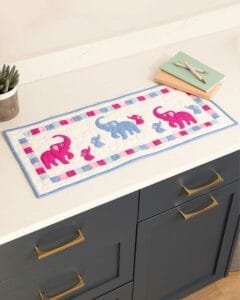
Mini quilts and table runners are perfect for seasonal décor. A sunflower-themed table runner brightens dining spaces during summer and autumn months.
You can also adapt the design into pillow covers or wall hangings. A single large sunflower block makes an eye-catching statement piece for living rooms or bedrooms.
For a more modern approach, experiment with negative space backgrounds. A minimalist layout with one oversized sunflower plate creates contemporary appeal.
Holiday-inspired versions are also possible. Combine sunflower tones with autumn fabrics to create a harvest-themed quilt that feels cozy and inviting.
Hand quilting can give your project an heirloom-quality finish. Delicate hand-stitched details add texture and sentimental value to your finished Sunflower Dresden Plate Quilt Pattern.
FAQ About How to Make a Sunflower Dresden Plate Quilt Pattern
Is the Sunflower Dresden Plate Quilt Pattern beginner-friendly?
Yes, confident beginners can successfully complete this pattern. It requires careful cutting and appliqué, but the steps are straightforward when followed closely.
How many blades should I use for a sunflower effect?
Most quilters use between 16 and 20 blades for a full sunflower appearance. The exact number depends on your desired size and fullness.
Do I need a special template?
A Dresden plate template ensures consistent blade shapes and simplifies the cutting process. While optional, it is highly recommended.
What size quilt works best with this pattern?
The pattern works well for lap quilts, baby quilts, wall hangings, and bed quilts. Simply adjust block size to suit your project.
Can I machine appliqué instead of hand stitching?
Absolutely. Machine appliqué is faster and secure, while hand appliqué offers a traditional touch. Both methods are effective.
How do I keep my Dresden plate flat?
Consistent seam allowances, careful pressing, and accurate blade alignment are key to maintaining a flat, smooth plate.
Conclusion
Learning how to make a Sunflower Dresden Plate Quilt Pattern allows you to combine traditional quilting techniques with vibrant floral inspiration. From selecting harmonious fabrics to assembling precise blades and appliquéing the center, each step contributes to a stunning finished piece. By focusing on symmetry, thoughtful color choices, and clean stitching, you can create a quilt that radiates warmth and craftsmanship.
The Sunflower Dresden Plate Quilt Pattern is both versatile and timeless, adaptable to modern, vintage, or seasonal styles. With creativity and patience, your quilt can become a treasured handmade keepsake.
If this guide helped you, please leave your honest opinion and suggestions. Your feedback supports future quilting tutorials and inspires continued creativity.