Honeymoon Quilt Block Pattern is a timeless and elegant quilting design that beautifully combines tradition, symbolism, and intricate patchwork techniques. The Honeymoon Quilt Block Pattern has become a favorite among quilters who appreciate detailed geometric layouts and romantic design inspiration.
With its interlocking shapes and harmonious symmetry, this classic block offers both visual complexity and creative flexibility. Whether you are a beginner exploring traditional quilt blocks or an experienced quilter seeking a meaningful project, understanding the structure and technique behind this pattern can elevate your quilting journey.
The beauty of the Honeymoon Quilt Block Pattern lies in its structured composition. It typically features carefully arranged triangles and squares that create a woven or interlocked effect, symbolizing unity and connection. Because of this visual symbolism, the block is often chosen for wedding quilts, anniversary gifts, or heirloom projects meant to celebrate love and partnership. Beyond symbolism, the block also challenges quilters to refine precision piecing skills, ensuring crisp points and perfectly aligned seams.
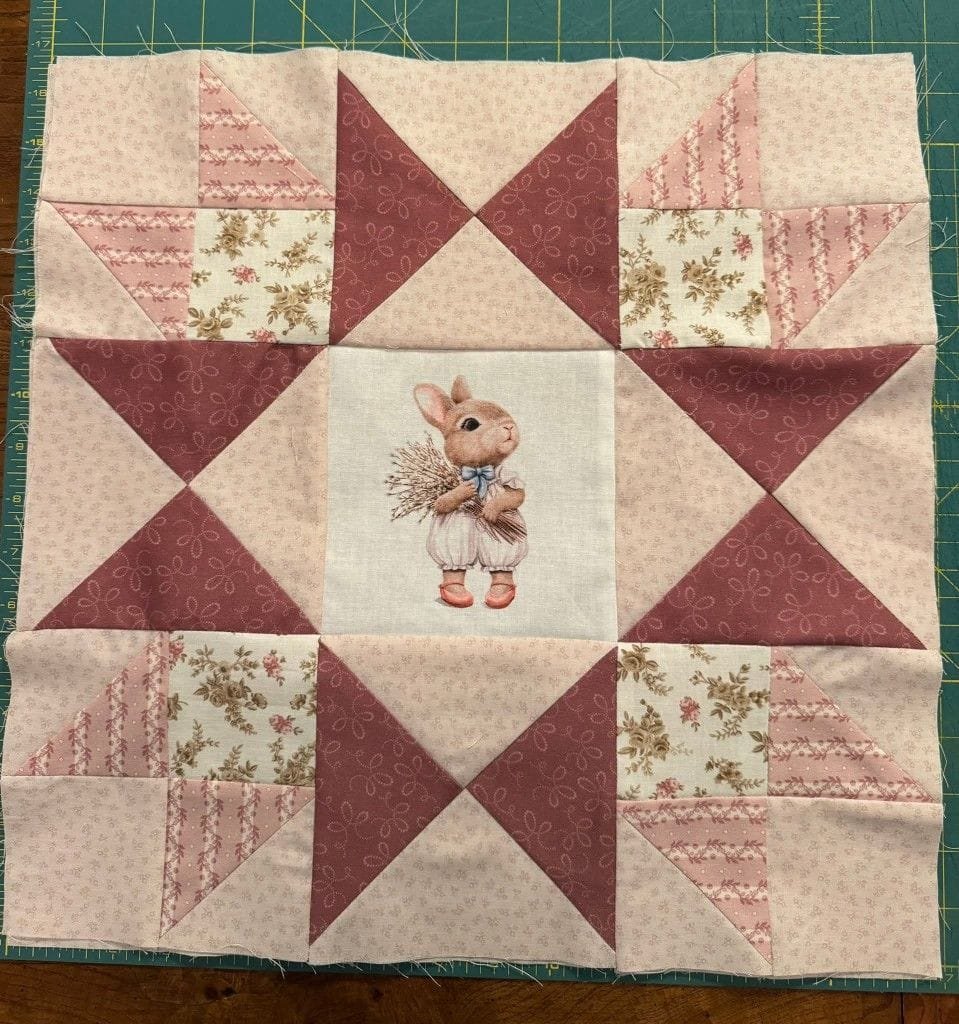
Another reason the Honeymoon Quilt Block Pattern remains popular is its versatility. It can be adapted to various fabric styles, from soft pastel florals to bold modern prints. Depending on color placement and fabric contrast, the same block can look vintage, contemporary, minimalist, or richly traditional.
Understanding the Structure of the Honeymoon Quilt Block Pattern
The Honeymoon Quilt Block Pattern is built on a grid system that typically divides the block into equal sections, allowing for precise fabric placement. Most variations rely on half-square triangles and square units arranged in a balanced formation. This structure gives the block its signature interwoven look while maintaining symmetry. Accurate cutting is essential, as even slight inconsistencies can affect how the pieces align.
Half-square triangles are a central component of the design. These units are often created by stitching two contrasting fabrics together and cutting them diagonally to form matching triangle pairs. In the Honeymoon Quilt Block Pattern, these triangles are carefully positioned to create movement and depth within the block. Choosing high-contrast fabrics enhances this visual effect.
Precision piecing plays a major role in achieving clean results. Maintaining a consistent quarter-inch seam allowance ensures that points meet perfectly at intersections. Pressing seams carefully—either open or to one side, depending on preference—helps reduce bulk and keeps the block flat. Attention to detail at every stage prevents distortion and maintains the block’s square shape.
Color placement significantly impacts the overall appearance of the block. For a dramatic look, quilters often use light and dark fabrics to emphasize the woven illusion. Softer tones can produce a more romantic and subtle result. Experimenting with fabric layout before sewing allows you to visualize how the finished block will appear.
Fabric selection also influences the final aesthetic. Solid fabrics highlight geometric precision, while patterned prints add texture and visual interest. Combining both can create a balanced design that feels dynamic without overwhelming the eye. The Honeymoon Quilt Block Pattern accommodates both approaches beautifully.
Finally, understanding the block’s assembly sequence simplifies the sewing process. Breaking the pattern into smaller units and constructing them step by step prevents confusion and ensures accuracy. Once assembled, the completed block showcases symmetry, depth, and craftsmanship that reflect both skill and creativity.
Choosing Fabrics for the Honeymoon Quilt Block Pattern
Selecting the right fabrics for the Honeymoon Quilt Block Pattern enhances both structure and storytelling. Many quilters choose romantic color palettes such as blush pink, cream, lavender, or soft blue to reflect the “honeymoon” theme. These gentle hues emphasize warmth and tenderness, making the quilt ideal for commemorative gifts.
High-contrast combinations, such as navy and white or burgundy and ivory, create a bold and striking visual impact. These pairings highlight the interlocking geometry within the block. Contrast helps define each triangle and square clearly, allowing the intricate design to stand out.
Texture also plays a significant role in fabric selection. Quilting cotton remains the most popular choice due to its durability and ease of sewing. However, subtle texture variations, such as tone-on-tone prints, can add dimension without distracting from the block’s structure. Careful coordination ensures the pattern remains cohesive.
Scrap fabric projects can bring a charming and eclectic feel to the Honeymoon Quilt Block Pattern. Using coordinated scraps within a specific color family allows you to create a quilt that feels lively yet unified. This approach is both sustainable and creatively fulfilling.
Prewashing fabrics helps prevent shrinkage and color bleeding. Taking this extra step ensures that your quilt maintains its integrity after washing. Proper preparation contributes to the longevity of the finished piece, especially if the quilt is intended as a keepsake.
Ultimately, thoughtful fabric selection transforms the Honeymoon Quilt Block Pattern into a personalized expression of style and sentiment. Whether classic or modern, your choices shape the mood and message of the quilt.
Step-by-Step Assembly Techniques
Accurate cutting is the foundation of successful quilt block construction. Using a rotary cutter, quilting ruler, and self-healing mat ensures clean, precise edges. For the Honeymoon Quilt Block Pattern, consistency in measurement is critical for maintaining symmetry.
Creating half-square triangles efficiently can be done using the two-at-a-time method. By marking a diagonal line on the back of one square and stitching on either side of the line, you can produce two identical triangle units with minimal fabric waste. Trimming each unit to size ensures uniformity.
Chain piecing is a helpful technique that saves time and maintains consistency. By sewing multiple units in a continuous sequence without cutting the thread between pieces, you streamline the assembly process. This method is especially effective when constructing multiple blocks.
Pressing seams properly after each step keeps the block flat and reduces bulk. Many quilters prefer pressing seams toward the darker fabric to prevent shadowing. Careful pressing enhances precision and creates crisp lines within the finished block.
Before sewing final rows together, laying out all components on a design wall or flat surface helps verify correct orientation. The geometric layout of the Honeymoon Quilt Block Pattern can appear similar in mirrored sections, so double-checking alignment prevents errors.
Once assembled, trimming the completed block to its exact size ensures uniformity when combining multiple blocks into a quilt top. This final step prepares the block for seamless integration into a larger quilt design.
Creative Variations and Design Ideas
The Honeymoon Quilt Block Pattern offers endless opportunities for customization. Rotating blocks within a quilt layout can create secondary patterns, adding depth and movement to the overall design. This technique enhances visual interest across the quilt top.
Scaling the block size up or down allows for different project types. Larger blocks work beautifully in statement quilts, while smaller versions can be used in table runners, wall hangings, or decorative pillows. Adjusting dimensions expands creative possibilities.
Incorporating sashing between blocks provides visual separation and emphasizes individual designs. Sashing can also introduce complementary colors that unify the quilt. Choosing a neutral sashing fabric keeps the focus on the block pattern itself.
Border design further enhances the quilt’s final appearance. A simple solid border maintains elegance, while pieced borders add complexity and cohesion. Borders frame the Honeymoon Quilt Block Pattern, giving the quilt a polished finish.
Adding embroidery or quilting motifs can personalize the finished piece. Gentle floral quilting or heart-shaped stitching reinforces the romantic theme. These subtle details transform the quilt into a treasured heirloom.
Experimenting with monochromatic color schemes can produce a modern aesthetic. Using varying shades of a single color family highlights the block’s geometry while maintaining sophistication. This approach blends tradition with contemporary style.
FAQ About Honeymoon Quilt Block Pattern
What is the Honeymoon Quilt Block Pattern best used for?
The Honeymoon Quilt Block Pattern is ideal for wedding gifts, anniversary quilts, commemorative keepsakes, and romantic home décor projects.
Is this quilt block suitable for beginners?
Yes, beginners can attempt it if they are comfortable with half-square triangles and accurate seam allowances. Patience and careful measuring are key.
What size is a typical Honeymoon Quilt Block?
Sizes vary depending on the pattern instructions, but common dimensions range from 8 to 12 inches square before seam allowances.
Can I use scrap fabrics for this pattern?
Absolutely. Coordinated scraps can create a charming, colorful interpretation while maintaining the block’s structure.
How do I ensure my points match perfectly?
Consistent seam allowances, careful pressing, and trimming units to precise measurements greatly improve point accuracy.
Does the pattern work in modern quilting styles?
Yes, the geometric structure adapts beautifully to modern color palettes and minimalist fabric choices.
Conclusion
The Honeymoon Quilt Block Pattern combines timeless symbolism with structured precision, making it a meaningful and versatile addition to any quilting repertoire. Throughout this article, we explored its structural components, fabric selection strategies, assembly techniques, and creative variations. By focusing on accurate cutting, thoughtful color placement, and careful pressing, you can achieve professional-quality results that reflect both craftsmanship and creativity.
VIDEO TUTORIAL
Whether you design a romantic wedding quilt or a modern geometric masterpiece, this pattern offers endless possibilities. If you found this guide helpful, please share your honest opinion and suggestions. Your feedback inspires continued creativity and growth in the quilting community.