The Guilford County Block is a classic and timeless quilt pattern, offering a beautiful blend of symmetry and geometric design.
Whether you’re a seasoned quilter or just starting out, this free tutorial will guide you through the steps of creating this elegant block. Known for its historical roots and versatile design, the Guilford County Block has been a favorite among quilters for generations.
In this tutorial, we’ll take you through the materials, step-by-step instructions, and some tips to make your quilt block come together perfectly.
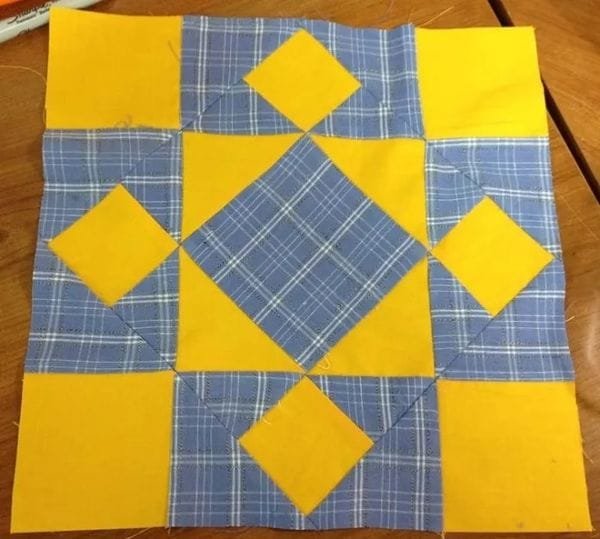
This Guilford County Block – Free Tutorial is designed to help you get the most out of your quilting experience. The block’s straightforward design makes it an ideal project for beginners, while experienced quilters will appreciate the precision and detail that this block demands.
With its simple squares and triangles, this block can be used in a wide variety of quilting projects, from large quilts to smaller decorative items like pillows and table runners.
As we walk through the steps of this free tutorial, keep in mind that every block you create adds to the rich tradition of quilting. The Guilford County Block may seem simple at first, but with the right fabric choices and some creativity, you can make each block uniquely yours.
1. Materials Needed for the Guilford County Block
Before starting the Guilford County Block, it’s important to gather all the necessary materials. Having everything ready before you begin will save time and help ensure a smooth process.
- Fabric: Choose two contrasting fabrics for your block—one light and one dark. This contrast will make the geometric design stand out more clearly. You can use cotton fabrics, as they are easy to work with and commonly used in quilting.
- Cutting Tools: A rotary cutter, cutting mat, and quilting ruler are essential for cutting precise squares and triangles. These tools ensure that your pieces are uniform, which is crucial for creating a clean, symmetrical block.
- Sewing Machine: While it’s possible to sew the Guilford County Block by hand, using a sewing machine will make the process faster and more accurate. Make sure your machine is threaded with a neutral-colored thread that complements your fabric choices.
- Iron and Ironing Board: Pressing your seams is one of the most important steps in quilting. An iron will help you set your seams and ensure that your block lays flat as you piece it together.
- Pins or Clips: Use pins or quilting clips to hold your fabric pieces in place as you sew. This will help you maintain accuracy and keep your fabric from shifting.
- Measuring Tape: A measuring tape will help you confirm the size of your block as you sew. The standard size for a Guilford County Block is 12×12 inches, but feel free to adjust this size to fit your project.
2. Step-by-Step Instructions for the Guilford County Block
Now that you have all your materials, let’s get started with the Guilford County Block – Free Tutorial. This block consists of a series of squares and triangles arranged in a symmetrical pattern, making it both visually appealing and easy to construct.
- Step 1: Cutting Your Fabric: Begin by cutting your fabric into the necessary shapes. For a standard 12×12 inch block, you will need four 4×4 inch squares of the dark fabric and four 4×4 inch squares of the light fabric. You’ll also need to cut two 5×5 inch squares of both fabrics, which will be turned into half-square triangles.
- Step 2: Creating Half-Square Triangles: To make the half-square triangles, place one light 5×5 square and one dark 5×5 square right sides together. Draw a diagonal line across the fabric, sew a seam 1/4 inch on either side of the line, then cut along the line. Press the seams open, and you’ll have two half-square triangles.
- Step 3: Arranging the Pieces: Lay out your squares and half-square triangles according to the Guilford County Block pattern. The design alternates between solid squares and half-square triangles, with the triangles creating a star-like pattern in the center of the block.
- Step 4: Sewing the Rows: Sew the squares and triangles together row by row. Use a 1/4 inch seam allowance for all seams. After each row is complete, press the seams open with your iron to ensure that your block lays flat.
- Step 5: Assembling the Block: Once all the rows are sewn, it’s time to assemble the block. Line up the rows, pin them in place, and sew them together. Press the entire block to make sure all seams are smooth and flat.
- Step 6: Trimming the Block: After the block is sewn together, use your rotary cutter and quilting ruler to trim the edges so that your block measures exactly 12×12 inches. This step is crucial for ensuring that your block will fit perfectly with others when creating a larger quilt.
3. Tips for Perfecting Your Guilford County Block
While the Guilford County Block is simple in design, achieving perfection takes a bit of practice. Here are some tips to help you make your block as precise as possible.
- Accurate Cutting: The most important step in creating a perfect block is ensuring that your fabric pieces are cut accurately. Use a rotary cutter and quilting ruler to make clean, straight cuts. Double-check your measurements before cutting to avoid any mistakes.
- Consistent Seams: Maintaining a consistent 1/4 inch seam allowance is crucial when piecing your block together. If your seams are too wide or too narrow, your block won’t come together properly. Use a seam guide on your sewing machine to help keep your seams even.
- Pressing Seams: Pressing your seams open after sewing each row will make a big difference in how flat your block lies. Use a hot iron and press each seam carefully to avoid any wrinkles or puckers.
- Chain Piecing: To speed up the sewing process, try chain piecing. This technique involves sewing multiple pieces together without cutting the thread in between. It’s a great way to save time and keep your pieces organized.
- Trimming Half-Square Triangles: After creating your half-square triangles, trim them down to the exact size needed for the block. This step is crucial for ensuring that the triangles fit perfectly with the squares.
- Use Starch: If you’re having trouble with your fabric stretching or shifting, try using fabric starch. A light spray of starch before cutting your fabric can help keep it stiff and easier to handle.
4. Creative Ideas for Using the Guilford County Block
Once you’ve mastered the Guilford County Block, there are countless ways to incorporate this versatile design into your quilting projects. Here are some creative ideas to get you started.
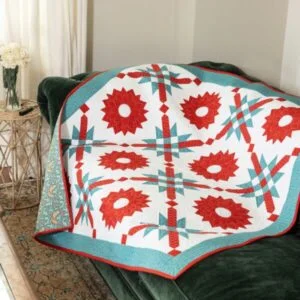
- Full-Size Quilts: One of the most popular uses for the Guilford County Block is in full-size quilts. By repeating the block pattern, you can create a stunning quilt that showcases the symmetry and geometric design of the block.
- Wall Hangings: If you’re looking for a smaller project, consider making a wall hanging with just a few Guilford County Blocks. The bold lines and sharp angles of the block make it a great focal point for any room.
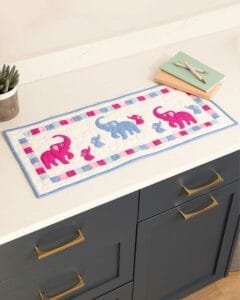
- Table Runners: A table runner made from Guilford County Blocks is a great way to add a touch of handmade charm to your dining room. Use seasonal fabrics to create a runner that can be used throughout the year.
- Pillow Covers: Turn your quilt blocks into decorative pillow covers by sewing a border around the block and adding a backing. This is a quick and easy project that allows you to enjoy your quilting skills in a more functional way.
- Tote Bags: Incorporate the Guilford County Block into a tote bag design for a unique, handmade accessory. The block adds a stylish, geometric touch to a simple bag pattern.
- Baby Quilts: The Guilford County Block works wonderfully for baby quilts, especially when made with soft, pastel fabrics. The simple design is perfect for creating a cozy and comforting blanket for a new baby.
FAQ
Q: What is the Guilford County Block?
A: The Guilford County Block is a traditional quilt block pattern characterized by its symmetrical arrangement of squares and half-square triangles. It’s a versatile design used in a wide variety of quilting projects.
Q: Is this block suitable for beginners?
A: Yes, the Guilford County Block is perfect for beginners. The pattern uses simple squares and triangles, making it an excellent project for those new to quilting.
Q: What size should the block be?
A: The standard size for a Guilford County Block is 12×12 inches. However, you can adjust the size depending on your project.
Q: Can I make the block using scraps?
A: Absolutely! The Guilford County Block is a great way to use up fabric scraps. Just make sure to choose fabrics with enough contrast to make the design stand out.
Q: How many blocks do I need for a full-size quilt?
A: The number of blocks needed depends on the size of the quilt you want to make. For a standard full-size quilt, you’ll need about 20 to 30 blocks.
Q: Can I hand-sew the Guilford County Block?
A: Yes, the block can be sewn by hand, though it will take longer than using a sewing machine. Just be sure to use small, even stitches to ensure accuracy.
Join our VIP broadcast list and gain access to exclusive patterns, all for free. As a VIP member, you’ll receive the best patterns daily, delivered directly to your device. ✨📱 It’s a unique opportunity to stay up-to-date with the latest trends and designs, curated just for you. Don’t miss out on enhancing your projects and discovering new inspirations with the best patterns every day! 🎨🔝
Conclusion
This Guilford County Block – Free Tutorial provides everything you need to create this beautiful and traditional quilt block. From the materials to the step-by-step instructions, you now have the knowledge to start your own project. Whether you’re making a full-size quilt, a wall hanging, or a decorative pillow, the Guilford County Block is a versatile and timeless pattern that will enhance any project.
We’d love to hear your feedback and see the results of your work! Please share your thoughts, suggestions, and experiences in the comments below. Happy quilting!