The Diamond Log Cabin Quilt Pattern is a striking variation of the traditional log cabin design, offering a fresh geometric perspective while honoring quilting heritage. From the very first block, the Diamond Log Cabin Quilt Pattern introduces movement, symmetry, and visual depth that instantly captures attention.
Unlike the standard square log cabin layout, the Diamond Log Cabin Quilt Pattern adds dynamic energy to a quilt top. The angled positioning creates diagonal lines that draw the eye across the design, giving the finished quilt a sense of flow and dimension. This pattern works beautifully for modern interiors while still preserving the warmth and tradition associated with classic quilting.
Quilters appreciate the versatility of the Diamond Log Cabin Quilt Pattern because it allows for endless color experimentation. Whether you prefer high-contrast fabrics for dramatic effect or subtle tonal shifts for a refined look, the diamond layout enhances fabric choices in a visually engaging way.
Understanding the Structure of the Diamond Log Cabin Quilt Pattern
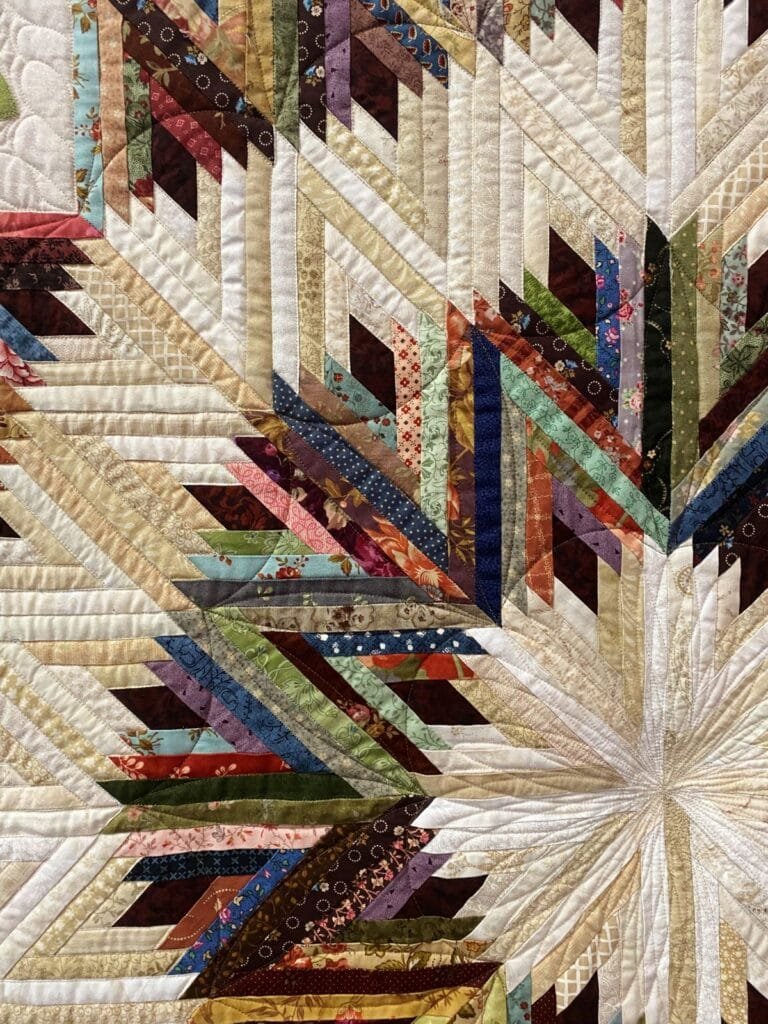
At its core, the Diamond Log Cabin Quilt Pattern is built from the traditional log cabin block. The difference lies in the orientation. Instead of placing the block squarely, each block is rotated 45 degrees, forming a diamond shape when assembled. This rotation changes the visual rhythm of the quilt while maintaining the fundamental construction method.
The classic log cabin block begins with a central square, often symbolizing the hearth or heart of the home. Strips of fabric, known as “logs,” are added around this center in a specific sequence. In the diamond variation, this same method is used, but the block is set on point to achieve the distinctive geometric effect.
Precision cutting is especially important for this pattern. Since blocks are rotated, any measurement inconsistencies become more noticeable along diagonal seams. Accurate seam allowances and consistent strip widths ensure that the diamonds align correctly when joined together.
Setting blocks on point often requires additional setting triangles along the edges of the quilt. These triangles fill the gaps created by the angled layout, allowing the quilt to maintain a rectangular shape once assembled.
Pressing seams consistently to one side helps reduce bulk where strips intersect. Because the log cabin structure builds outward in layers, managing seam direction contributes to a smoother final surface.
Careful layout planning before final assembly is essential. Laying out blocks on a design wall or flat surface allows you to adjust color placement and orientation for the most visually balanced result.
Choosing Fabrics and Color Layout for Visual Impact
Color placement plays a crucial role in the Diamond Log Cabin Quilt Pattern. Traditional log cabin quilts often use a light-and-dark contrast to create patterns such as barn raising or straight furrows. When set on point, these contrasts become even more dramatic.
High-contrast designs emphasize the diamond shape and create a bold, graphic appearance. Pairing dark outer logs with lighter inner strips can produce a glowing effect that radiates outward from the center.
For a softer aesthetic, consider using analogous color schemes. Gradual transitions between shades of blue, green, or neutral tones can produce a harmonious and elegant finish. This approach works well in contemporary home décor settings.
Scrap quilting is another popular option. The Diamond Log Cabin Quilt Pattern adapts beautifully to scrap fabrics, allowing quilters to incorporate a variety of prints and colors. Despite the variation, the structured block design maintains visual order.
Seasonal themes can also inspire fabric choices. Warm reds and golds create an autumn-inspired quilt, while cool blues and whites offer a winter aesthetic. The diamond arrangement enhances these themes by adding movement.
Testing color arrangements before sewing final seams can prevent imbalance. Photographing the layout or stepping back to view it from a distance helps ensure the design feels cohesive and well-proportioned.
Sewing Techniques for Accuracy and Balance
Maintaining a consistent quarter-inch seam allowance is fundamental when constructing the Diamond Log Cabin Quilt Pattern. Even small variations can affect block alignment, particularly when blocks are rotated on point.
Chain piecing log cabin strips saves time and improves efficiency. Sewing multiple strips consecutively keeps the workflow organized and consistent, especially when creating numerous blocks.
Trimming blocks to a uniform size before assembly ensures clean intersections. Squaring up each block after construction helps maintain precision throughout the quilt top.
When attaching setting triangles, careful measurement is essential. These pieces must match the diagonal edge lengths of the blocks to prevent distortion or stretching.
Pressing seams as you go prevents excessive bulk in the center of the blocks. Since multiple strips converge at the center square, managing seam direction reduces thickness and keeps the quilt flat.
Taking time during final assembly is key. Aligning diamond points carefully preserves the sharp geometry that defines the Diamond Log Cabin Quilt Pattern. Precision during this stage significantly enhances the overall appearance.
Creative Variations and Project Ideas
The Diamond Log Cabin Quilt Pattern can be adapted for projects of various sizes. Small versions make stunning wall hangings or table toppers, allowing the diamond design to serve as a focal point.
For larger bed quilts, repeating the diamond layout creates a mesmerizing effect across the surface. The diagonal lines introduce movement that adds visual interest to expansive designs.
Modern variations may incorporate negative space between diamond blocks. Adding solid sashing strips frames each block and emphasizes its geometric structure.
Some quilters experiment with asymmetrical layouts, clustering diamonds in specific areas to create artistic compositions. This approach blends traditional technique with modern design sensibilities.
Pillow covers made from a single diamond log cabin block can complement a larger quilt. Coordinated accessories enhance overall room décor.
Combining the diamond log cabin layout with quilting patterns such as diagonal stitching or echo quilting can further accentuate the geometric theme. Thoughtful quilting designs enhance texture and depth.
Frequently Asked Questions (FAQ)
Is the Diamond Log Cabin Quilt Pattern beginner-friendly?
Yes, especially for those familiar with basic log cabin construction. The on-point setting may require additional attention but is manageable with careful measurement.
What is the best fabric type for this pattern?
High-quality quilting cotton is recommended due to its stability and ease of handling.
How do I keep my blocks aligned?
Accurate cutting, consistent seam allowances, and trimming blocks before assembly are essential for alignment.
Do I need special tools?
Standard quilting tools such as a rotary cutter, quilting ruler, and sewing machine with a quarter-inch foot are sufficient.
Can I use scraps?
Absolutely. The structured design allows scrap fabrics to shine while maintaining visual order.
How large can I make this quilt?
The size depends on the number of blocks created. Simply increase block quantity to expand the overall dimensions.
Conclusion
The Diamond Log Cabin Quilt Pattern offers a beautiful reinterpretation of a quilting classic, combining traditional strip piecing with a bold geometric layout. By rotating blocks on point, this design introduces movement and sophistication while preserving the warmth of the original log cabin concept.
VIDEO TUTORIAL
Through thoughtful fabric selection, precise construction, and creative layout planning, quilters can produce stunning results that suit both modern and traditional spaces. If you enjoyed learning about the Diamond Log Cabin Quilt Pattern, feel free to share your honest opinion and suggestions. Your feedback helps inspire continued creativity in the quilting community.