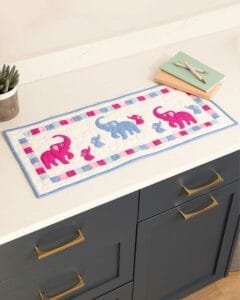
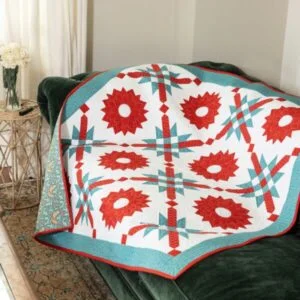
Creating a Braided Table Runner Quilt Pattern is a wonderful way to add warmth, color, and handmade charm to your dining table. This quilting design has become increasingly popular among both beginners and experienced quilters because of its visual appeal and the relaxing process of sewing it together.
The Braided Table Runner Quilt Pattern is often built using fabric strips that interlock in a woven style, resembling a braid. This method allows you to play with color combinations and fabric textures, making each runner truly unique.
Another reason why the Braided Table Runner Quilt Pattern stands out is its versatility. You can make it for any season—bright pastels for spring, warm tones for autumn, or festive colors for the holidays. It’s also an excellent way to experiment with fabric coordination and contrast. From farmhouse-style kitchens to modern dining spaces, a braided quilt runner enhances the overall decor effortlessly.

Understanding the Braided Table Runner Quilt Pattern
The Braided Table Runner Quilt Pattern begins with long fabric strips cut at uniform widths. These strips are layered in a diagonal or chevron-like arrangement, giving the impression of an interwoven braid. The process may look complex, but it’s based on simple repetitive steps. Typically, each “braid” is composed of several fabric strips sewn together in an overlapping sequence. Once complete, the braided sections are trimmed to create straight edges and then joined together to form the runner’s main body.
To start, choose fabrics that complement each other. You can use a color palette that matches your dining room or go for a seasonal theme. Solid colors mixed with patterned fabrics often work beautifully, as they create a visual rhythm that enhances the braid’s texture. Cotton fabrics are ideal since they’re easy to handle, durable, and come in countless designs. Always pre-wash your fabrics to prevent shrinking and bleeding once the quilt is finished.
Once you have your fabrics ready, cutting is the next critical step. Precision matters—uneven strips can make the braid look distorted. Use a rotary cutter and a self-healing mat for accurate results. Typically, strips are cut around 2 to 2.5 inches wide, but this can vary depending on how bold you want your braid to appear. Keep your strips organized by color or pattern to make assembly easier later on.
Sewing the braid is where the fun begins. Start with two strips sewn at a 45-degree angle, then keep adding strips alternately to each side, maintaining alignment. As the braid grows longer, you’ll notice the diagonal pattern forming naturally. It’s important to press the seams flat as you go, as this keeps the fabric from bulking up and ensures a clean finish.
After completing the desired braid length, you’ll need to square off the edges. This means trimming the ends to make them straight, allowing you to connect multiple braids if needed. Once assembled, add batting and backing fabric to turn your braided top into a quilted table runner. Finish the piece with binding around the edges to give it a professional, polished look.
Finally, quilting the piece—either by hand or machine—adds texture and secures all layers. You can stitch along the braid lines or create decorative patterns that enhance the design. Quilting not only strengthens your runner but also gives it that cozy, handmade feel every quilter loves.
Choosing the Right Fabrics and Colors
One of the most exciting aspects of making a Braided Table Runner Quilt Pattern is fabric selection. The colors and prints you choose will define the overall mood of your project. For a soft and elegant look, consider neutral tones or pastel shades. For a bolder aesthetic, mix vibrant hues or high-contrast fabrics. The key is balance—too many patterns can make the braid look chaotic, while too few might make it dull.
Seasonal themes are also a great way to personalize your table runner. For example, use red, green, and gold for a festive Christmas version, or oranges, yellows, and browns for a cozy fall design. If you prefer a modern touch, opt for monochrome fabrics or geometric prints. Each combination tells its own story, turning your quilted runner into a reflection of your creativity.
When shopping for fabrics, consider texture as well as color. Quilting cotton is the most common choice, but adding linen or batik fabrics can introduce unique depth. Always test how your fabrics behave when pressed and sewn. Some materials may stretch slightly, affecting alignment, so do a few test stitches before starting your main project.
Pre-cut fabric bundles, such as jelly rolls or fat quarters, are great options for this type of pattern. They save time and come with coordinated designs that blend beautifully. However, don’t be afraid to mix and match fabrics from your stash—it’s an eco-friendly and budget-conscious approach.
Color placement plays a major role in how the braid appears. Light and dark tones can be alternated to create a 3D illusion. You might also organize fabrics in gradients, moving from one shade to another across the length of the runner. Experimentation is encouraged—quilting is as much an art as it is a craft.
Lastly, don’t forget the backing fabric. While it won’t be as visible as the front, a well-chosen backing enhances the overall quality. Pick a complementary color or subtle print that ties the entire design together. The result will be a cohesive and beautifully finished quilted table runner.
Step-by-Step Guide to Sewing Your Braided Table Runner
To create your Braided Table Runner Quilt Pattern, begin by preparing all your materials. You’ll need fabric strips, batting, backing fabric, thread, scissors, and a sewing machine. Having a rotary cutter and ruler on hand ensures precise cuts, which are vital for a clean braid. Start by cutting your fabric into uniform strips. Most patterns use strips that are 2 to 2.5 inches wide and 10 to 12 inches long, depending on the desired size.
Arrange your strips on a flat surface to preview your color sequence. This visual layout helps you plan the braid before sewing and prevents mismatched sections. Once satisfied, take two strips and align them at a 45-degree angle. Sew them together with a ¼-inch seam allowance, then press the seam open or to one side.
Continue adding strips alternately to each side, always checking that the angles stay consistent. As the braid grows, you’ll see the woven effect emerge naturally. Don’t rush this process—take time to ensure each seam aligns properly, as precision will determine how neat your braid looks in the end.
Creative Ideas and Variations
While the traditional Braided Table Runner Quilt Pattern uses straight, continuous braids, there are many creative ways to personalize your project. For instance, you can experiment with different braid widths. Narrow strips create a delicate, intricate look, while wider strips give a bolder, modern feel. Mixing both can result in an eye-catching texture that stands out on your table.
Another variation is to incorporate multiple color themes in one piece. You could create one section in cool tones like blues and greens, and another in warm shades like reds and yellows. The transition between color families can give your quilted runner a gradient effect that’s both artistic and unique.
FAQ – Braided Table Runner Quilt Pattern
1. What size should a braided table runner be?
Most table runners range from 12 to 18 inches wide and 36 to 60 inches long. The size depends on your table dimensions and how much coverage you prefer.
2. Can I make this pattern using fabric scraps?
Yes! The Braided Table Runner Quilt Pattern is perfect for scrap quilting. Using leftover fabrics gives your project a patchwork charm and helps reduce waste.
3. Do I need a quilting machine?
A regular sewing machine works fine for this project. Just make sure it has a quilting foot or walking foot to handle multiple fabric layers smoothly.
4. How do I keep my braid straight while sewing?
Use a flat surface and press your seams frequently. Checking alignment as you go ensures your braid remains even and doesn’t twist.
5. What kind of batting should I use?
Lightweight cotton batting is ideal for table runners because it’s easy to sew and lies flat on the table. Avoid overly thick batting that may cause bulkiness.
6. Can I wash my braided table runner?
Yes, but always pre-wash your fabrics before sewing. After completion, use a gentle wash cycle and air dry to preserve the quilt’s colors and shape.
Conclusion
Making a Braided Table Runner Quilt Pattern is a delightful way to combine creativity, craftsmanship, and practicality. This project allows you to express your style through color, pattern, and fabric selection while producing something truly useful and decorative. From choosing the right fabrics to sewing perfect braids, every step contributes to a rewarding experience that ends with a handmade masterpiece for your home.