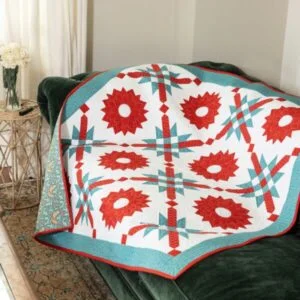
The Arrowhead Quilt Block Pattern is a timeless quilting design that beautifully combines geometric precision with symbolic meaning. Known for its sharp angles and dynamic visual movement, the Arrowhead Quilt Block Pattern creates a striking layout that instantly captures attention.
This makes the design especially appealing for themed quilts, heritage projects, and meaningful handmade gifts. By carefully selecting fabric colors and contrasts, quilters can highlight the arrow effect or create subtle variations that blend seamlessly into larger quilt compositions.
Another reason the Arrowhead Quilt Block Pattern remains popular is its adaptability. It can be scaled for small decorative pieces such as table runners and pillow covers or expanded into full-size bed quilts. With thoughtful fabric placement, the block can appear bold and dramatic or soft and understated.
Understanding the Structure of the Arrowhead Quilt Block Pattern
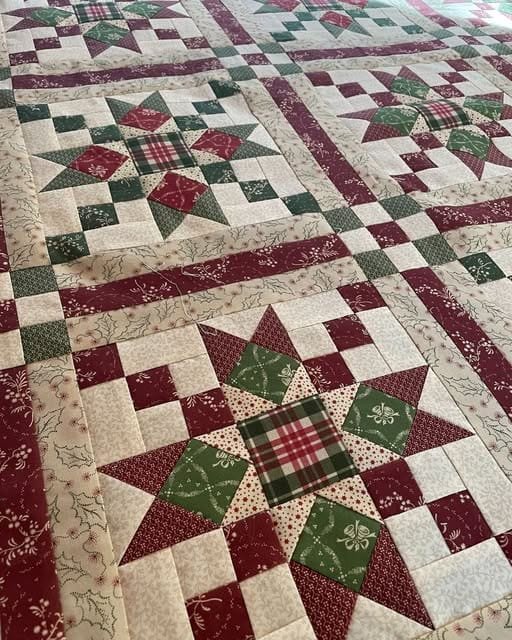
The foundation of the Arrowhead Quilt Block Pattern lies in its precise triangular construction. Typically built using half-square triangles or flying geese units, the block relies on accurate cutting and seam allowances to maintain its sharp appearance. Precision is essential, as even small measurement inconsistencies can affect the alignment of the arrow shape. Careful pressing techniques also help keep the lines crisp and well-defined.
At its core, the block features a central arrow-like shape that points either upward, downward, or sideways depending on layout orientation. This directional quality gives quilters the ability to create movement within a quilt top. When repeated across a surface, the pattern can produce a sense of flow that guides the viewer’s eye across the finished piece.
Fabric selection plays a major role in defining the arrow shape. High-contrast fabrics emphasize the points and angles, making the arrowhead stand out dramatically. On the other hand, using complementary tones results in a softer, blended look. Many quilters enjoy experimenting with color gradients to add depth and dimension to the block.
The block size can vary depending on the intended project. Standard measurements often range from 8 to 12 inches square, but adjustments can be made easily. Resizing the Arrowhead Quilt Block Pattern requires recalculating triangle dimensions while preserving proportional balance.
Proper cutting tools such as rotary cutters and quilting rulers are highly recommended. Accurate tools ensure clean edges and precise angles, which are essential for maintaining the integrity of the design. Consistency in cutting directly impacts the final visual alignment of the arrows.
When assembling the block, sewing triangles in smaller sections before joining them together can help improve accuracy. This step-by-step construction approach minimizes distortion and ensures that the arrow points remain sharp and symmetrical throughout the process.
Choosing Fabrics and Colors for Maximum Impact
Color placement is one of the most powerful elements in the Arrowhead Quilt Block Pattern. Strategic use of light and dark fabrics defines the arrow’s direction and enhances visual clarity. For bold statements, quilters often pair solid fabrics with high contrast. This makes the arrow shape immediately recognizable from a distance.
For a more traditional appearance, many choose classic quilting cotton prints such as florals or subtle patterns. These fabrics soften the geometric structure while preserving the overall design. This approach works especially well in vintage-inspired quilts or heirloom projects.
Modern quilters frequently experiment with minimalist color palettes. Black, white, and grayscale combinations give the Arrowhead Quilt Block Pattern a contemporary aesthetic. Alternatively, bright jewel tones create vibrant energy that transforms the block into a focal point.
Scrap quilting is another creative option. Using leftover fabric pieces adds character and uniqueness to each block. Even though the shapes remain consistent, the varied fabric prints introduce texture and personality into the finished quilt.
When selecting fabric, consider durability and quality. High-quality cotton fabrics hold their shape better and maintain crisp edges after repeated washing. Since quilts are often functional household items, durability ensures long-term satisfaction.
Testing color arrangements before sewing can prevent design imbalances. Many quilters lay out their pieces on a design board or flat surface to visualize contrast and flow. This extra planning step can significantly improve the final appearance of the quilt.
Techniques to Improve Precision and Sewing Accuracy
Accurate piecing is essential for a polished Arrowhead Quilt Block Pattern. Maintaining a consistent quarter-inch seam allowance ensures that triangle units fit together properly. Using a quilting foot or seam guide can help achieve uniform stitching.
Pressing seams correctly prevents bulk and distortion. Instead of ironing back and forth, gently press seams open or to one side. This technique helps preserve the shape of the triangular units and keeps the arrow points sharp.
Trimming half-square triangles after sewing improves precision. Squaring up each unit ensures that measurements remain consistent before final assembly. Even experienced quilters rely on trimming to maintain professional results.
Chain piecing is a time-saving method often used in block construction. By sewing multiple units consecutively without cutting threads between them, quilters can streamline the assembly process while maintaining accuracy.
Pinning intersections before sewing can also improve alignment. Carefully matching seam points where triangles meet ensures that arrow tips remain sharp and symmetrical. Taking time with this step significantly enhances the final block appearance.
Practicing on scrap fabric before cutting into main materials can build confidence. This approach allows quilters to test seam allowances and adjust measurements if necessary. Preparation reduces errors and increases overall project satisfaction.
Creative Ways to Use the Arrowhead Quilt Block Pattern
The Arrowhead Quilt Block Pattern can be arranged in countless layouts. Rotating blocks in alternating directions creates zigzag effects or diamond formations. This variation adds dynamic energy to the overall quilt design.
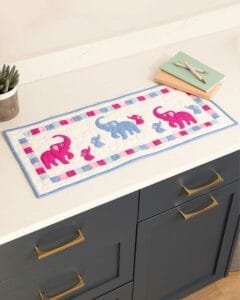
Table runners and wall hangings are excellent small-scale applications. These projects allow quilters to showcase the arrow motif without committing to a full quilt. Smaller pieces are also ideal for practicing precision techniques.
Full-size bed quilts highlight the pattern’s ability to create movement across large surfaces. When arranged in rows, the arrows can appear to cascade or shift direction, adding visual interest to bedroom décor.
Pillow covers featuring a single Arrowhead Quilt Block Pattern make thoughtful handmade gifts. The geometric design pairs well with neutral home décor and adds a touch of handcrafted elegance.
Seasonal variations can also be created through color themes. Warm autumn tones or cool winter palettes allow quilters to adapt the pattern for different times of the year. This flexibility keeps the design fresh and versatile.
Combining the arrowhead block with complementary quilt blocks introduces layered complexity. Alternating with solid blocks or sashing strips can frame the arrows and enhance structural balance throughout the quilt.
Frequently Asked Questions (FAQ)
What skill level is required for the Arrowhead Quilt Block Pattern?
The pattern is suitable for confident beginners to intermediate quilters. Basic knowledge of half-square triangles and accurate seam allowances is recommended.
What fabrics work best for this quilt block?
High-quality quilting cotton is ideal due to its durability and ease of handling. Strong contrast between fabrics helps define the arrow shape clearly.
Can I resize the Arrowhead Quilt Block Pattern?
Yes, resizing is possible by adjusting triangle dimensions proportionally. Maintaining accurate seam allowances is essential for proper alignment.
How do I keep the arrow points sharp?
Consistent seam allowances, careful trimming, and precise pressing techniques are key to preserving crisp, clean arrow tips.
Is this pattern suitable for modern quilts?
Absolutely. The geometric design works beautifully in minimalist color palettes and contemporary layouts.
Can I use scraps for this project?
Yes, scrap fabrics add charm and character while maintaining the recognizable arrow shape.
Conclusion
The Arrowhead Quilt Block Pattern stands out as a versatile and meaningful quilting design that blends tradition with modern creativity. Throughout this guide, we explored its structural foundation, fabric selection strategies, precision techniques, and creative layout possibilities. By focusing on accurate cutting, thoughtful color placement, and careful assembly, quilters can achieve striking results that highlight the beauty of this geometric motif.
VIDEO TUTORIAL
Whether you are crafting a full quilt, a decorative runner, or a thoughtful handmade gift, the Arrowhead Quilt Block Pattern offers endless opportunities for personalization. If you found this guide helpful, feel free to share your honest opinion and suggestions—your feedback inspires continued creativity and learning in the quilting community.