Welcome to our comprehensive guide on how to crochet fish leather handheld bags. This free tutorial will walk you through every step of the process, allowing you to create a stunning and unique accessory that showcases your crochet skills.
Fish leather is an innovative and sustainable material, making these bags not only stylish but also environmentally friendly. Whether you’re a seasoned crocheter or just starting out, this guide will help you craft a beautiful handheld bag that will turn heads.
Crocheting with fish leather adds a delightful twist to traditional crochet techniques. The texture and durability of fish leather make it an excellent choice for accessories, offering a luxurious finish that is both functional and fashionable.
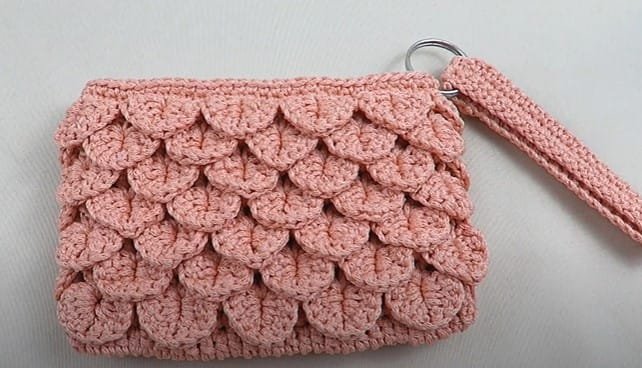
As you embark on this creative journey, you’ll discover the satisfaction of working with a unique material while learning valuable crochet techniques.
Throughout this tutorial, we’ll provide you with essential tips, step-by-step instructions, and creative inspiration to help you successfully create your very own fish leather handheld bag. So, let’s dive into the exciting world of crochet and fish leather!
1. Understanding Fish Leather and Its Benefits
Before you begin crocheting your handheld bag, it’s important to understand what fish leather is and why it’s an excellent choice for your project. Fish leather is made from the skin of fish, often sourced from sustainable fisheries. It’s a byproduct of the fishing industry, which means using it helps reduce waste and promotes eco-friendly practices.
- Sustainability: One of the biggest benefits of using fish leather is its sustainability. By repurposing fish skins that would otherwise be discarded, you’re contributing to a more sustainable fashion industry. This aligns perfectly with the growing trend of eco-conscious crafting.
- Unique Texture: Fish leather offers a distinct texture and appearance that sets it apart from traditional leather. Each piece has its own unique characteristics, providing an element of individuality to your bag. This makes your creation truly one-of-a-kind.
- Durability: Fish leather is surprisingly durable and strong. It can withstand everyday use while maintaining its beauty, making it an excellent choice for bags that will be used frequently.
- Lightweight: Compared to other types of leather, fish leather is lightweight, which adds to the comfort of carrying your bag. You won’t feel weighed down, even when your bag is full.
- Versatile Colors and Patterns: Fish leather is available in various colors and patterns, allowing you to customize your bag to suit your personal style. From vibrant hues to more muted tones, there’s a fish leather option for everyone.
- Easy to Clean: Caring for fish leather is relatively simple. A damp cloth is usually sufficient for cleaning, making it a practical choice for everyday items like handbags.
2. Materials You’ll Need for Your Fish Leather Handheld Bag
Now that you understand the benefits of fish leather, it’s time to gather the materials needed for your project. Here’s a list of essential items you’ll need to crochet your fish leather handheld bag.
- Fish Leather: Start by selecting your preferred fish leather. You can find various colors and textures online or at craft stores. Make sure to choose a piece that’s large enough for your bag design.
- Crochet Hook: Choose a crochet hook that is suitable for your fish leather. A hook size of 4.0mm to 6.0mm is typically ideal, but check the thickness of your leather to find the best fit.
- Yarn: While fish leather is the star of the show, you may want to use yarn for accents or lining. Choose a yarn that complements the color of your fish leather, and consider using cotton or acrylic for durability.
- Scissors: A sharp pair of scissors will help you cut the fish leather and yarn neatly. This is important for maintaining clean edges and ensuring a polished finish.
- Measuring Tape: Having a measuring tape on hand is essential for ensuring that your bag is the right size. It will help you measure both the fish leather and yarn accurately.
- Tapestry Needle: You’ll need a tapestry needle for weaving in ends and sewing any necessary seams. Choose a needle with a large eye to accommodate thicker yarns.
3. Step-by-Step Instructions for Crocheting Your Handheld Bag
With your materials ready, let’s get started on crocheting your fish leather handheld bag. Follow these step-by-step instructions to create your unique piece.
- Cut the Fish Leather: Start by cutting your fish leather into the desired shapes for your bag. You might want a rectangular piece for the body and smaller pieces for straps or decorative elements. Use your measuring tape to ensure accuracy.
- Create the Base: To begin crocheting, make a slipknot with your yarn and chain the desired number of stitches for the base of your bag. This will vary depending on how wide you want your bag to be.
- Crochet the Body: Once you’ve created the base, work in rounds or rows, depending on your design. If you’re incorporating fish leather, consider using it as a border or accent while crocheting with yarn.
- Add the Fish Leather: When you reach the desired height of your bag, it’s time to add the fish leather. You can attach it by sewing or crocheting it into your work, depending on your preferred technique. Be careful to keep everything secure and aligned.
- Create the Straps: For the straps, chain a suitable length and crochet a simple design, or use strips of fish leather. Attach the straps to the top of your bag securely.
- Finish with Edging: Complete your bag with a decorative edging, using either yarn or fish leather. This final touch will give your bag a polished look and enhance its overall design.
4. Caring for Your Fish Leather Handheld Bag
Once you’ve completed your beautiful fish leather handheld bag, it’s essential to know how to care for it properly to ensure its longevity. Here are some tips to help you maintain your bag:
- Regular Cleaning: Wipe your bag with a damp cloth regularly to keep it looking fresh. Avoid soaking it in water, as this can damage the leather.
- Avoid Harsh Chemicals: When cleaning your bag, steer clear of harsh chemicals or cleaners. Stick to mild soap and water if needed.
- Store Properly: When not in use, store your bag in a cool, dry place. Avoid exposing it to direct sunlight for prolonged periods, as this can fade the color.
- Conditioning: Consider using a leather conditioner specifically designed for fish leather to maintain its softness and prevent it from drying out. Follow the manufacturer’s instructions for best results.
- Handle with Care: Although fish leather is durable, treat your bag with care to avoid unnecessary wear and tear. Be mindful of sharp objects that could scratch or puncture the leather.
- Repairing Damage: If your bag does sustain any damage, consider seeking professional help or researching DIY repair techniques to restore it.
FAQ
Q: What is fish leather, and how is it made?
A: Fish leather is made from the skin of fish, typically sourced from sustainable fisheries. The skins are treated and tanned to create a durable and unique leather material.
Q: Can I use regular yarn instead of fish leather?
A: Yes, you can use regular yarn for your bag. However, incorporating fish leather adds a distinctive touch and elevates the overall design.
Q: Is crocheting with fish leather difficult?
A: Crocheting with fish leather may require some adjustment if you’re new to it, but with practice, it becomes easier. Follow our tutorial closely for the best results.
Q: Where can I buy fish leather?
A: Fish leather can be found at specialized craft stores, online retailers, or fabric shops that carry unique materials. Look for sustainable sources to align with eco-friendly practices.
Q: Can I wash my fish leather bag?
A: It’s not advisable to wash your fish leather bag in water. Instead, use a damp cloth for cleaning and avoid exposing it to excessive moisture.
Q: How long does fish leather last?
A: With proper care, fish leather can last for many years. Regular cleaning and conditioning will help maintain its durability and appearance.
Join our VIP broadcast list and gain access to exclusive patterns, all for free. As a VIP member, you’ll receive the best patterns daily, delivered directly to your device. ✨📱 It’s a unique opportunity to stay up-to-date with the latest trends and designs, curated just for you. Don’t miss out on enhancing your projects and discovering new inspirations with the best patterns every day! 🎨🔝
Conclusion
In this guide on how to crochet fish leather handheld bags, we’ve covered everything from understanding the benefits of fish leather to step-by-step instructions for creating your unique bag. By using sustainable materials and innovative techniques, you can craft a stunning accessory that showcases your crochet skills.
We hope this free tutorial has inspired you to explore the world of crochet and fish leather. Please share your thoughts and suggestions in the comments below—we’d love to hear about your experiences and any additional tips you may have!