granny square crochet pattern is one of the most iconic and beloved motifs in the world of crochet. Known for its versatility, simplicity, and vintage charm, this pattern has been passed down through generations and continues to be a favorite among beginners and experienced crocheters alike. Whether you’re making blankets, bags, garments, or home decor, the granny square crochet pattern offers endless possibilities for creativity.
One of the reasons this pattern remains so popular is its accessibility. Even if you’re completely new to crochet, learning how to make your first granny square is an achievable and rewarding goal. The repetition of stitches and the meditative rhythm of the process can be incredibly relaxing, making it a mindful hobby that supports mental well-being.
In this article, we’ll explore everything you need to know about creating a granny square crochet pattern, from understanding the basic structure to customizing your design. We’ll cover materials, variations, uses, and provide answers to the most frequently asked questions about this enduring crochet favorite.
Understanding the Basics of the Granny Square Crochet Pattern
The traditional granny square crochet pattern begins with a small center and works its way out in rounds, using clusters of double crochet stitches. This creates a balanced, symmetrical shape that is both beautiful and functional.
To start your granny square, you’ll need a few basic materials: a crochet hook, some worsted weight yarn, and a pair of scissors. A tapestry needle is also useful for weaving in the ends once your square is complete.
Most traditional granny squares are made using three double crochets per cluster, separated by chain stitches. The corners are formed by placing two clusters with a chain space in between, which helps the square maintain its shape as it grows.
Once you’ve mastered the standard pattern, you can begin to experiment with color changes. This is one of the joys of granny square crochet—you can create striking visuals with just a few rows of alternating colors.
The granny square crochet pattern is also an excellent canvas for learning new techniques. Whether it’s working in the round, increasing, or changing colors, this pattern reinforces skills that can be applied to more advanced projects.
It’s also important to keep your tension consistent while crocheting granny squares. Uneven tension can lead to wavy or misshapen squares, which may make it difficult to join them together later in a larger project.
Creative Variations of the Granny Square
The beauty of the granny square crochet pattern lies in its adaptability. There are countless ways to personalize and reinvent the pattern to suit your unique style and project goals.
One popular variation is the solid granny square, which skips the open spaces and results in a denser fabric. This is great for projects where warmth and coverage are more important, like baby blankets or cushion covers.
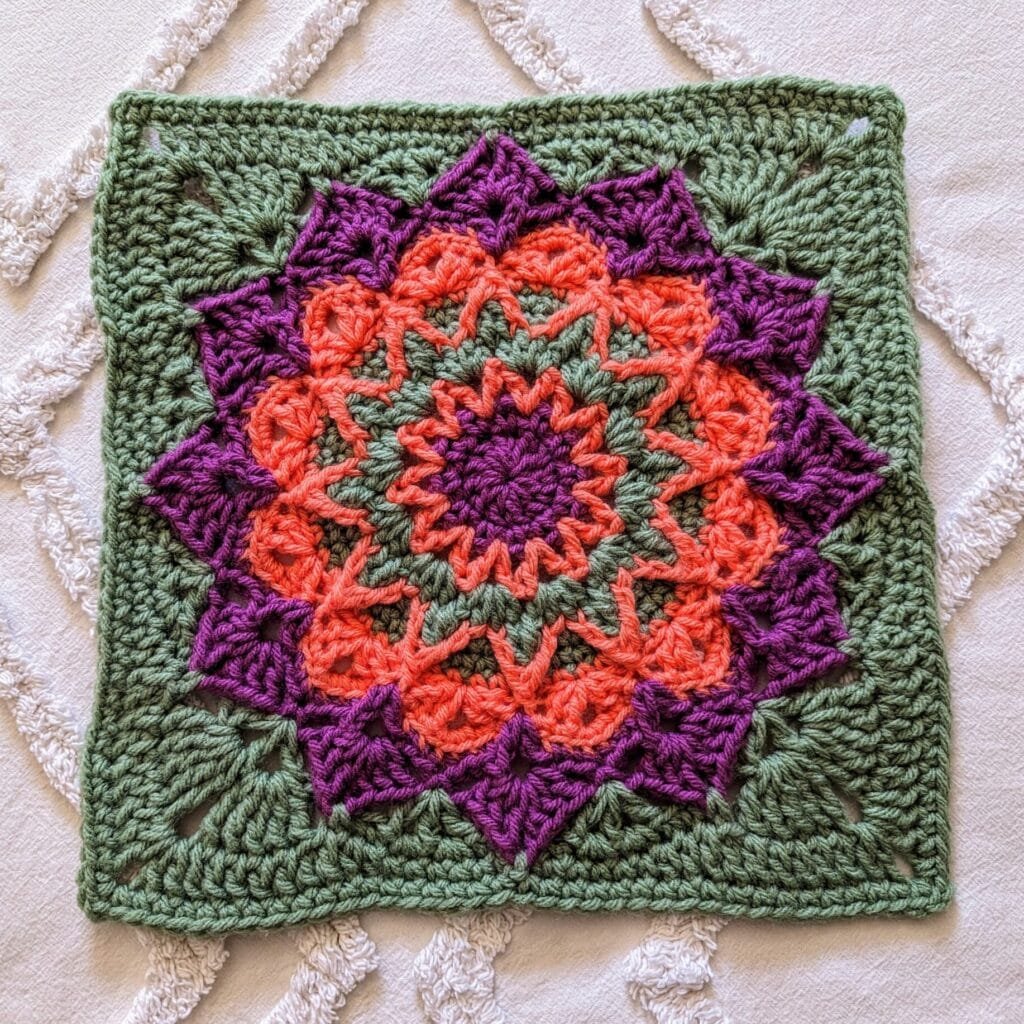
Another creative spin is the sunburst granny square. This version features puff or popcorn stitches in the center, creating a floral, radiant effect that adds texture and visual interest.
You can also explore hexagonal or circular granny square patterns, which break away from the traditional square shape. These are ideal for crafting table runners, shawls, or even modern wall hangings.
Color planning plays a big role in how your final piece will look. Using gradient yarns or a specific color palette can transform your project from rustic and cozy to sleek and contemporary.
Mixing different types of yarn can also yield interesting textures. For example, pairing a soft cotton with a shiny acrylic yarn can produce a dynamic, eye-catching square.
Finally, try incorporating surface embroidery or appliqué elements into your granny squares to tell a story or add a personalized touch. This approach brings an artistic layer to your crochet work.
Common Uses for Granny Squares in Crochet Projects
Once you’ve created a few granny squares, you’ll quickly realize how versatile they are. These simple motifs can be joined together in countless ways to create functional and decorative items.
One of the most traditional uses is in making blankets. From baby afghans to full-sized throws, a collection of granny squares stitched together can result in a cozy masterpiece.
Home decor items like pillows, table runners, and wall hangings are also popular choices. A set of coordinated squares can bring a handmade charm to your living space.
Fashion has also embraced the granny square crochet pattern. Trendy vests, tote bags, scarves, and even dresses can be constructed entirely from joined squares.
For smaller, quicker projects, consider using your granny squares for coasters, potholders, or bookmarks. These make thoughtful, handcrafted gifts for friends and family.
Another fun idea is to make patchwork-style items. You can join your squares in different sizes or with varied designs to create a boho-chic look that’s both eclectic and stylish.
And let’s not forget about upcycling—use leftover yarn scraps from previous projects to make colorful, zero-waste granny squares. This eco-friendly option helps reduce yarn waste while still being creative.
Tips for Joining and Finishing Granny Squares
Once your granny squares are complete, it’s time to think about how to join them. The joining method you choose can influence the look, feel, and durability of the final piece.
The most common method is the whip stitch, which involves sewing the squares together with a yarn needle. This creates a flat seam and is relatively easy to do for beginners.
For a more decorative join, try the join-as-you-go method. This technique connects the squares while you crochet the last round, saving time and adding visual interest with exposed joins.
A slip stitch or single crochet join creates a raised ridge between squares. While this adds texture, it also provides a structural frame that can make the project feel more solid.
Blocking your squares before joining them is highly recommended. Blocking helps align the edges and ensures that each square is uniform in size, making the final assembly much smoother.
You may also want to add a border around the entire project once your squares are joined. This unifies the piece and gives it a polished, finished appearance.
When weaving in your ends, make sure to do it securely. Use a tapestry needle to hide yarn tails within the stitches to prevent unraveling and maintain a clean look.
FAQ: Granny Square Crochet Pattern
What is the easiest granny square for beginners?
The classic granny square made with three double crochet clusters is the simplest version. It uses basic stitches and is easy to repeat, making it ideal for learning.
How do I keep my granny square from curling or twisting?
Uneven tension or skipping chains in the corners can cause curling. Make sure to count your stitches and chains correctly and consider blocking your squares for a flat finish.
Can I use any type of yarn for granny squares?
Yes, but medium-weight yarns like worsted or DK work best for beginners. Avoid overly slippery or textured yarns until you’re comfortable with the pattern.
How do I change colors in a granny square?
You can change colors at the beginning of any round. Simply tie off the previous color and join the new yarn with a slip stitch before continuing the round.
How many granny squares do I need for a blanket?
It depends on the size of your squares and the desired size of your blanket. For example, 7×9 squares of 6-inch motifs will make a throw-sized blanket.
Can granny squares be machine washed?
That depends on the yarn. Always check the yarn label. Acrylic yarns are usually machine washable, but wool may shrink unless it’s superwash treated.
Why are my granny squares not the same size?
This is usually due to inconsistent tension or different yarn brands. Blocking your squares and using the same hook and yarn throughout the project can help.
What is the best way to store unfinished granny squares?
Keep them flat in a zippered bag or box. Avoid folding them to prevent creases, and group them by color or size for easy organization.
Is the granny square still in fashion?
Absolutely! Designers have brought granny square crochet patterns back into the spotlight in fashion, accessories, and home decor. It’s a timeless trend.
Can I sell items made from granny square patterns?
Yes, most basic granny square crochet patterns are considered public domain. You’re free to use them in your handmade items for sale.
Conclusion
The granny square crochet pattern is much more than a beginner project—it’s a creative gateway to a world of possibilities. From cozy blankets to stylish accessories, this pattern allows you to express your personality and skill through color, texture, and technique.