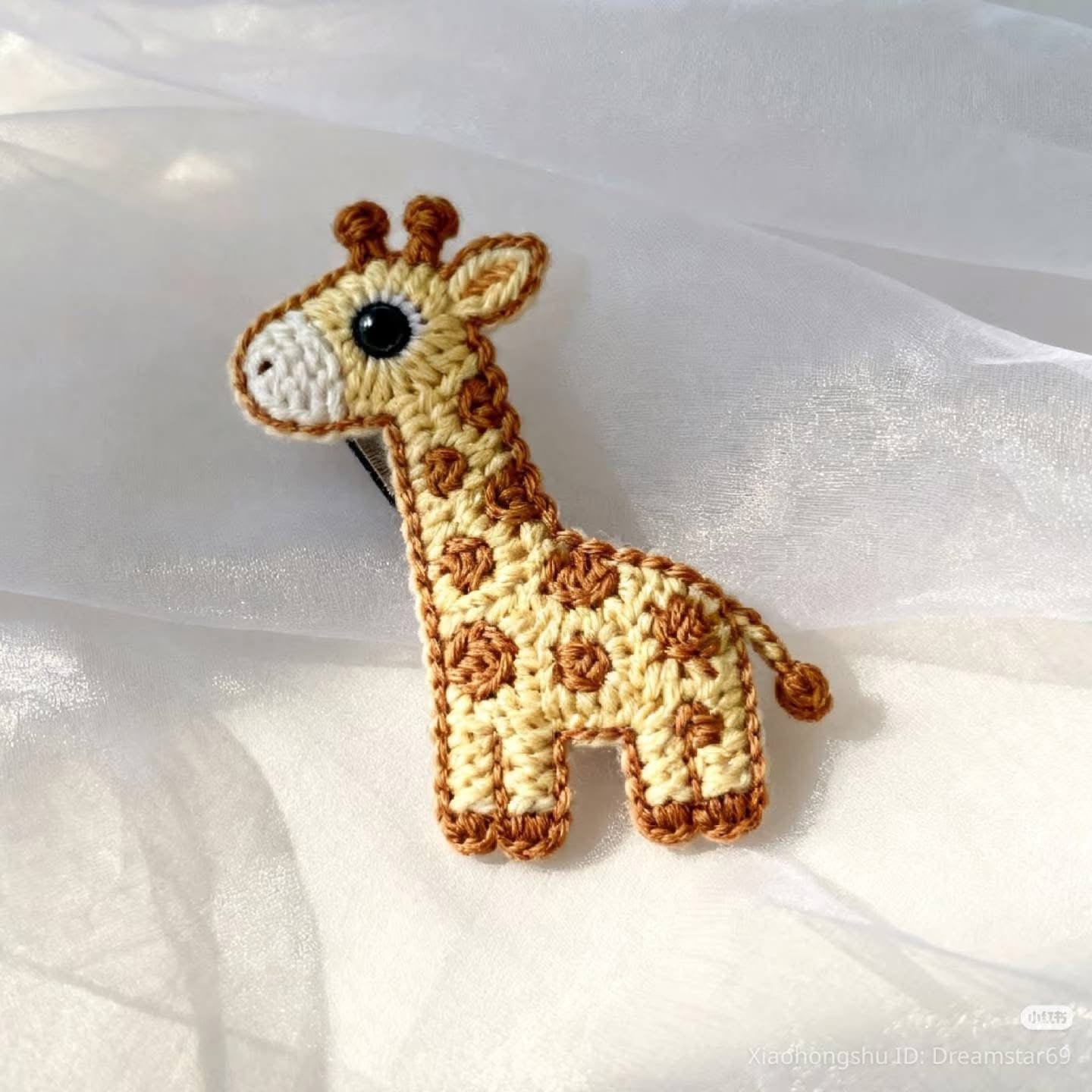
Starting a project with a crochet giraffe pattern is one of the most enjoyable ways to combine creativity, relaxation, and the art of amigurumi. Many crafters love the idea of making a cute giraffe, not only because it becomes an adorable handmade toy, but also because it allows them to practice various crochet stitches and techniques.
The popularity of the crochet giraffe pattern comes from how versatile it can be. Some patterns create small pocket-sized giraffes, while others bring to life larger plush animals that can be used as decorative pieces or gifts for children.
Another reason why many crafters choose the crochet giraffe pattern is that it makes a thoughtful gift. Handmade toys carry sentimental value, and a giraffe made with care becomes a lasting treasure for loved ones.
Understanding the Crochet Giraffe Pattern
When you first approach a crochet giraffe pattern, it is important to understand the structure of amigurumi. Most giraffes are made by creating separate pieces—such as the head, body, arms, legs, ears, and the little horns called ossicones—and then sewing them together. This step-by-step method ensures that each part has its own definition and makes the final toy look polished.
Choosing the right yarn is also crucial. A soft cotton yarn is often recommended because it gives a clean stitch definition and makes the giraffe more durable, especially if it will be played with by children. On the other hand, acrylic yarns provide a fluffier texture and are available in a wide range of colors. Whichever yarn you choose, always consider the feel of the finished toy.
The hook size plays an equally important role. A smaller hook than what is typically recommended for the yarn ensures tighter stitches, preventing stuffing from showing through the fabric. This is a common practice in amigurumi, and it’s especially relevant for a crochet giraffe pattern, since you want your toy to have a neat finish.
Another factor to keep in mind is the use of stuffing. Fiberfill is the most common choice because it is light and washable. For a standing giraffe, stuffing evenly and firmly gives structure to the toy, preventing it from collapsing. The long neck of the giraffe, in particular, needs good stuffing to hold its shape.
Tips for Beginners Working on a Crochet Giraffe Pattern
If you are new to amigurumi, a crochet giraffe pattern can seem intimidating, but it is completely manageable with a few tips. The first is to master basic stitches such as the chain, single crochet, and increase and decrease techniques. These form the foundation of most amigurumi projects and are used extensively in giraffe designs.
Counting stitches is one of the most important habits you can develop. Because the giraffe’s body relies on symmetry, losing track of stitches can distort its shape. Using a stitch marker at the beginning of each round is an easy way to stay organized.
Practice tension consistency. Beginners often crochet too loosely or too tightly, which can affect the overall shape. With time, your hands will adjust naturally. For a giraffe, aim for firm but not stiff stitches, so the body holds together nicely.
Creative Ways to Customize Your Crochet Giraffe Pattern
One of the most fun aspects of a crochet giraffe pattern is the ability to customize it. While traditional giraffes are yellow with brown spots, you can choose any color combination that matches your taste. A pastel giraffe makes a charming nursery decoration, while bright rainbow shades create a playful and cheerful toy.
Adding accessories brings even more character. A small scarf, a hat, or even a bow tie can transform the giraffe’s personality. These little touches are quick to make and allow you to practice additional crochet techniques.
You can also experiment with different yarn textures. Velvet yarn creates a soft, plush giraffe perfect for cuddling, while cotton yarn gives a cleaner look suitable for display. Mixing textures can create interesting contrasts.
Benefits of Making a Crochet Giraffe Pattern
Working on a crochet giraffe pattern is not only fun but also beneficial for your well-being. Crocheting itself is known for its relaxing qualities. The repetitive movements of the stitches create a calming rhythm that helps reduce stress and improve focus.
It also enhances patience and concentration. Following detailed instructions, keeping track of rounds, and carefully assembling parts are all activities that strengthen attention to detail. Over time, these skills improve both your crafting and problem-solving abilities.
Completing a giraffe project brings a sense of accomplishment. From a simple ball of yarn, you create a tangible toy full of character and charm. This process boosts creativity and confidence, encouraging you to take on more complex patterns in the future.
Handmade giraffes make meaningful gifts. Unlike store-bought toys, they carry a personal touch that shows effort and affection. For children, they can become cherished companions, while adults often appreciate the thoughtfulness behind a handmade piece.
FAQ About Crochet Giraffe Pattern
What yarn is best for a crochet giraffe pattern?
Cotton yarn is often recommended for durability and clean stitches, but acrylic or velvet yarns can also be used depending on the desired texture.
How long does it take to finish a crochet giraffe?
For beginners, a small giraffe may take several hours to complete, while larger versions could take a few days. The time depends on size and complexity.
Do I need advanced skills to make a giraffe?
No. Most giraffe patterns use basic stitches like chains, single crochets, and increases. Beginners can follow them with patience and practice.
How do I make the giraffe’s neck stable?
Stuffing evenly and firmly is essential. Some crafters also insert a pipe cleaner or straw for extra support, but careful stuffing usually works well.
Can I wash a crochet giraffe?
Yes, but it depends on the yarn. Cotton and acrylic are machine-washable, while delicate yarns may require handwashing. Always check the yarn label.
Is it safe to give a crochet giraffe to babies?
Yes, as long as you avoid small parts like safety eyes. Instead, embroider the eyes and features to ensure the toy is safe for infants.
Conclusion
Creating a crochet giraffe pattern is a rewarding project that blends creativity, patience, and fun. From choosing yarn and mastering stitches to customizing colors and adding accessories, every step allows you to express your style. The result is not only a charming handmade giraffe but also an enjoyable crafting experience that brings relaxation and pride.
I hope this article has helped you understand the beauty and possibilities of making your own giraffe. If you decide to try it, I’d love to hear your thoughts! Please leave your honest opinion and share any suggestions so we can continue improving and inspiring more crochet enthusiasts.