The Crochet Corner-to-Corner Pattern is one of the most popular and versatile crochet techniques, loved by beginners and experienced crafters alike. The Crochet Corner-to-Corner Pattern, often called C2C, is worked diagonally from one corner to the opposite corner, creating a textured, grid-like design.
This method is perfect for making blankets, scarves, dishcloths, and even detailed image-based crochet projects. One of the main reasons why the Crochet Corner-to-Corner Pattern is so widely used is its simplicity combined with creative potential.
Once you understand the basic structure, you can easily adjust the size and shape of your project. The Crochet Corner-to-Corner Pattern also makes it easy to incorporate color changes, allowing you to create patterns, stripes, or even pixel-style images with yarn.
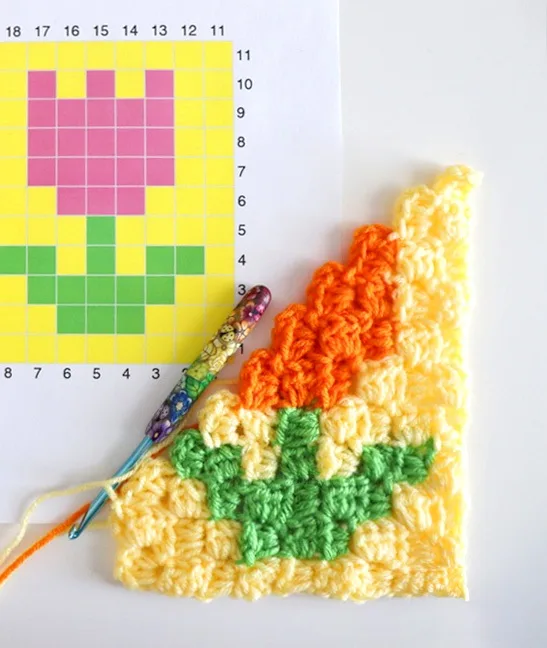
Another advantage of the Crochet Corner-to-Corner Pattern is how quickly it works up. Because it uses double crochet stitches, projects grow faster compared to tighter stitch patterns. This makes the Crochet Corner-to-Corner Pattern ideal for both quick projects and larger items like blankets that require efficient progress.
Materials Needed for a Crochet Corner-to-Corner Pattern
Before starting your Crochet Corner-to-Corner Pattern, gathering the right materials is essential for a smooth experience.
The most important material is yarn, which can vary depending on your project, from lightweight cotton to thicker acrylic.
A crochet hook that matches your yarn weight, usually between 4 mm and 6 mm, is recommended.
You will also need scissors and a yarn needle for finishing your project.
Stitch markers can be helpful for keeping track of increases and decreases.
If you plan to create designs, multiple yarn colors will be needed for the Crochet Corner-to-Corner Pattern.
Choosing soft and durable yarn will improve the overall quality of your work.
Basic Techniques Used in Corner-to-Corner Crochet
Understanding the basic techniques is key to mastering the Crochet Corner-to-Corner Pattern.
The pattern is built using small blocks made of chain stitches and double crochet stitches.
Each block is typically made by chaining and working three double crochets into a space.
Increasing is done by adding a new block at the beginning of each row.
Decreasing is used to shape the project once the desired width is reached.
Slip stitches are used to join blocks and maintain the diagonal structure.
Maintaining consistent tension is important for a neat and even Crochet Corner-to-Corner Pattern.
These simple techniques make the method accessible and easy to learn.
Step-by-Step Guide to Creating a C2C Project
The first step in making the Crochet Corner-to-Corner Pattern is creating a small starting block.
Next, you increase by adding blocks diagonally with each new row.
Continue increasing until your project reaches the desired width.
Once the width is achieved, begin decreasing to form the opposite corner.
Work carefully to maintain the block structure and alignment.
Add color changes if desired to create patterns or images within the Crochet Corner-to-Corner Pattern.
Finish by weaving in all ends and blocking your project if needed.
Creative Ideas to Customize Your Pattern
One of the best aspects of the Crochet Corner-to-Corner Pattern is the ability to customize it.
You can create pixel-style images such as hearts, animals, or geometric designs.
Using gradient yarn can give your Crochet Corner-to-Corner Pattern a beautiful color transition.
Adding borders can enhance the final appearance of your project.
You can adjust the size to create anything from small coasters to large blankets.
Experimenting with different textures can make your design more dynamic.
Creating themed projects allows you to personalize your Crochet Corner-to-Corner Pattern.
FAQ About Crochet Corner-to-Corner Pattern
Is the Crochet Corner-to-Corner Pattern beginner-friendly?
Yes, it is one of the easiest techniques for beginners to learn.
What yarn works best?
Most yarn types work well, depending on the project.
How long does it take to complete?
It depends on size, but projects can be completed quickly.
Can I create images with this technique?
Yes, the Crochet Corner-to-Corner Pattern is perfect for pixel designs.
Do I need a pattern chart?
Charts are helpful for complex designs.
Can I sell finished items?
Yes, many crafters sell products made with the Crochet Corner-to-Corner Pattern.
Working on the Crochet Corner-to-Corner Pattern helps improve important crochet skills such as tension control, stitch consistency, and colorwork. These skills are valuable for more advanced projects and allow you to expand your creativity. As you practice, you will become more confident in managing patterns and creating detailed designs.
Another advantage of the Crochet Corner-to-Corner Pattern is its flexibility. You can easily adapt the technique to suit different projects and styles. Whether you prefer simple designs or intricate patterns, this method offers endless possibilities. The Crochet Corner-to-Corner Pattern is a great way to explore new ideas and techniques.
Additionally, the Crochet Corner-to-Corner Pattern encourages creativity and experimentation. By combining colors and shapes, you can create unique and personalized pieces. This technique is not just about following a pattern, but about expressing your creativity through crochet.
The Crochet Corner-to-Corner Pattern also provides a relaxing and enjoyable crafting experience. The repetitive nature of the stitches makes it perfect for unwinding while still being productive. Over time, this method can become a favorite go-to technique for many crochet enthusiasts.
The Crochet Corner-to-Corner Pattern is also an excellent technique for planning large-scale projects with precision and creativity. Because the design is built block by block, it becomes easier to visualize progress and make adjustments along the way. This structure allows crocheters to follow charts or even create their own custom designs with accuracy. The Crochet Corner-to-Corner Pattern is especially useful for creating personalized blankets featuring names, images, or themed graphics. As you gain experience, you will find it easier to manage color transitions and maintain consistent alignment throughout your work, resulting in a polished and professional finish.
Another important benefit of the Crochet Corner-to-Corner Pattern is its adaptability to different yarn types and project goals. Whether you are using lightweight yarn for delicate items or thicker yarn for cozy blankets, the technique remains effective and easy to adjust. The Crochet Corner-to-Corner Pattern also works well for using leftover yarn, making it a great option for reducing waste and maximizing resources. By experimenting with textures, colors, and layouts, you can create unique and meaningful pieces that reflect your personal style while continuing to improve your crochet skills over time.
Conclusion
The Crochet Corner-to-Corner Pattern is a versatile and beginner-friendly crochet technique that offers endless creative possibilities. By using simple stitches and a diagonal construction method, you can create a wide variety of projects.
Throughout this article, we explored the materials, techniques, and steps involved in mastering the Crochet Corner-to-Corner Pattern, along with ideas for customization.
With practice and imagination, the Crochet Corner-to-Corner Pattern can become one of your favorite crochet techniques. If you enjoyed this guide, feel free to leave your honest opinion and share suggestions. Your feedback helps inspire more creative crochet tutorials and ideas in the future.
VIDEO TUTORIAL
The Crochet Corner-to-Corner Pattern also encourages patience and consistency, which are essential qualities for any crochet project. As you work diagonally and repeat the same block structure, you develop a steady rhythm that improves both speed and accuracy. The Crochet Corner-to-Corner Pattern is ideal for relaxing while still staying productive, making it a favorite choice for long-term projects that require focus and creativity.