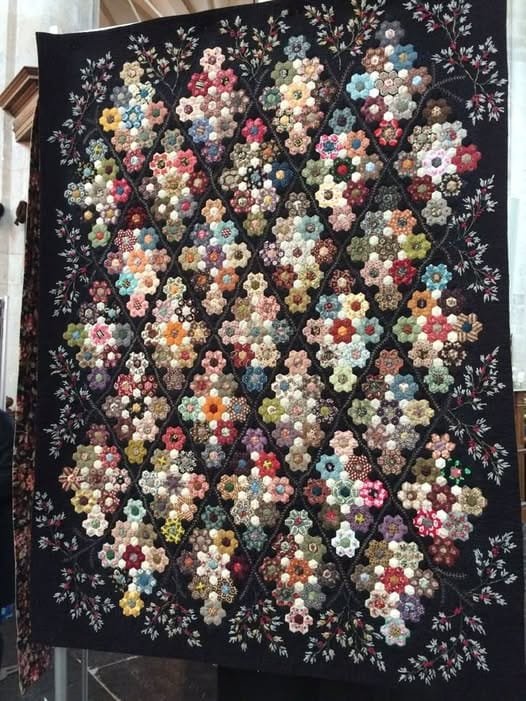
The Hexagon Flower Quilt Block Pattern is one of the most charming and timeless designs in the quilting world. Its geometric beauty, floral inspiration, and endless customization options make it a favorite among quilters of all levels.
At its core, the Hexagon Flower Quilt Block uses hexagonal shapes that fit together like pieces of a perfect puzzle. The center of the block often represents the “flower,” surrounded by petal-like hexagons in complementary colors.
Beyond its aesthetic appeal, the Hexagon Flower Quilt Block Pattern is a symbol of creativity and tradition. Quilting has been part of human history for centuries, and patterns like this one connect modern crafters to that rich heritage.
Understanding the Hexagon Flower Quilt Block
The Hexagon Flower Quilt Block begins with the concept of English Paper Piecing (EPP), a technique that uses paper templates to ensure precise shapes. Each hexagon is wrapped in fabric and stitched together, creating a neat and accurate floral design. This makes the pattern perfect for beginners who want to learn control and consistency while enjoying the creative process.
To start, you’ll need a collection of hexagon templates, either purchased or printed at home. The standard size for beginners is about one inch per side, but you can adjust the size to suit your project. The central hexagon forms the “flower center,” while six surrounding hexagons make up the petals. Choosing contrasting or complementary fabrics will enhance the flower-like appearance of your block.
Another important aspect of the Hexagon Flower Quilt Block Pattern is fabric selection. Cotton fabrics work best because they are easy to handle and hold their shape well. Consider mixing prints, solids, and tones for a dynamic result. The color palette you choose will set the mood of your quilt — bright for a cheerful look, muted for a vintage feel, or monochromatic for modern minimalism.
As you work, accuracy is key. Hand basting the fabric around the paper template ensures that every hexagon maintains its shape. Once the hexagons are prepared, you can whipstitch them together along the edges. Take your time with each stitch, ensuring they are neat and evenly spaced. This patience will reward you with a professional finish and a strong, durable block.
When assembling multiple blocks, pay attention to alignment. The hexagon shape can easily shift if not placed carefully. Using clips or pins helps maintain order as you piece your quilt together. A flat, even surface is essential for joining blocks smoothly.
Finally, don’t forget the backing and batting layers. Once your Hexagon Flower Quilt Blocks are all pieced, you can add these layers and quilt them together by hand or with a sewing machine. This step adds texture, depth, and structure to your finished piece.
Creative Design Ideas for Your Quilt
One of the greatest joys of working with the Hexagon Flower Quilt Block Pattern is the endless creative freedom it offers. You can design each block to tell its own story or follow a coordinated theme across your entire quilt.
For a traditional look, use pastel or floral fabrics that evoke the softness of a garden. Each block can represent a different flower, using color to mimic petals and centers found in nature. This approach results in a quilt that feels timeless and sentimental.
If you prefer a modern aesthetic, try bold geometric prints or solid colors arranged in striking contrast. Black and white combinations, or bright neon tones, give the Hexagon Flower Quilt Block a contemporary edge. These modern quilts can become eye-catching decor pieces in minimalist homes.
You can also experiment with the scale of your hexagons. Smaller pieces create intricate, delicate patterns, while larger hexagons make a more graphic and impactful statement. The key is to maintain proportion and balance across your layout.
For an artistic twist, mix hexagons with other shapes, such as triangles or diamonds. This hybrid design keeps the hexagonal flower as the centerpiece while adding movement and variety to your quilt. It’s an excellent way to push your creativity and develop your personal quilting style.
Adding embellishments like embroidery or appliqué can enhance your Hexagon Flower Quilt Block Pattern even further. Stitch small details in the flower centers, outline petals, or add beaded accents for sparkle. These details transform your quilt from beautiful to breathtaking.
Finally, remember that quilting is about joy and self-expression. There’s no strict rulebook — your design choices reflect who you are. Every color, stitch, and fabric tells part of your creative story.
Tips for Sewing the Perfect Hexagon Flower Quilt Block
Creating a flawless Hexagon Flower Quilt Block requires attention to detail, but it’s a skill anyone can master with practice. These tips will help ensure your blocks come out beautiful and precise every time.
First, invest in quality tools. Sharp fabric scissors, fine needles, and sturdy paper templates make a big difference. High-quality tools prevent frayed edges and uneven cuts, which can distort your hexagons.
Second, press your fabric before and after stitching. Ironing ensures flat seams and crisp lines. It may seem like a small step, but it gives your quilt a polished and professional look.
Third, use coordinating thread colors. When joining hexagons, invisible stitches make your quilt appear seamless. If your fabric has multiple shades, choose a neutral color like gray or beige that blends with everything.
Fourth, stay organized. Arrange your hexagons in their intended pattern before sewing. This prevents mix-ups and helps you visualize the final design. You can even photograph your layout as a reference while you work.
Fifth, don’t rush the process. The Hexagon Flower Quilt Block Pattern is meant to be enjoyed slowly. Each stitch contributes to a masterpiece, so take your time and savor the meditative rhythm of quilting.
Lastly, finish your quilt carefully. Trim edges evenly, bind securely, and store your quilt in a dry, cool place to preserve its beauty for years. Quilts made with love and patience become cherished heirlooms.
Why the Hexagon Flower Quilt Block Pattern Remains Popular
The enduring popularity of the Hexagon Flower Quilt Block lies in its perfect balance between simplicity and sophistication. It’s a project that welcomes beginners yet challenges experienced quilters to refine their technique.
Historically, this pattern gained fame in the early 20th century, often seen in “Grandmother’s Flower Garden” quilts. These heirloom pieces captured the spirit of family, warmth, and connection. Today, many quilters recreate that nostalgic charm with modern fabrics and colors.
The pattern’s versatility also contributes to its lasting appeal. It can be used for quilts, table runners, wall hangings, pillows, or even handbags. Wherever it’s applied, the hexagonal flower motif brings beauty and craftsmanship.
FAQ – Hexagon Flower Quilt Block Pattern
1. What size should I make my hexagons?
Most beginners start with one-inch hexagons, which are easy to handle. You can adjust the size depending on your desired quilt scale.
2. Can I sew the Hexagon Flower Quilt Block by machine?
Yes, but hand stitching provides more control and precision. Machine sewing is faster for large projects, though.
3. What fabrics work best for this pattern?
100% cotton is ideal because it’s sturdy, easy to sew, and holds its shape well. Avoid stretchy or slippery fabrics.
4. How do I remove paper templates after sewing?
Wait until all sides of a hexagon are joined, then gently remove the paper from the back before quilting.
5. How many blocks do I need for a quilt?
It depends on the size of your quilt and the dimensions of your hexagons. Plan your layout first to estimate the number of blocks.
6. Can I mix different hexagon sizes in one quilt?
Yes, but be careful with alignment. Mixing sizes creates interesting visual effects but requires precise planning.
Conclusion
The Hexagon Flower Quilt Block Pattern combines tradition, creativity, and precision in one delightful project. Its timeless charm, flexible design possibilities, and relaxing process make it a favorite among quilters worldwide. Whether you’re creating a vintage-inspired heirloom or a bold modern piece, this pattern allows you to express yourself through fabric and color.