Starting my first log cabin pattern was one of the most exciting steps in my quilting journey. This traditional block is full of history, meaning, and creativity, making it a wonderful place for beginners to start and for experienced quilters to explore new variations.
When you are starting your first log cabin quilt pattern, the experience can feel like a gateway into the world of quilting. You learn how strips of fabric can come together in a symbolic way, representing hearth, warmth, and tradition.
One of the best parts of starting my first log cabin pattern was discovering the flexibility it offers. Whether you prefer a modern look with bold contrasts or a rustic style with muted tones, the log cabin can adapt beautifully.
Understanding the History of the Log Cabin Pattern
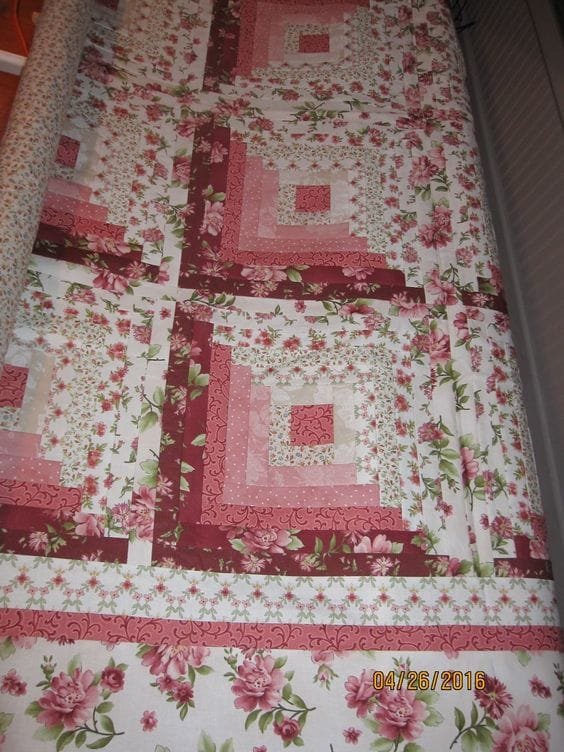
The log cabin pattern carries a rich history that dates back to the 19th century. Early quilters used scraps of fabric to create designs that symbolized family and community. The central square, often red, represented the hearth of the home, while the strips around it were the “logs” that built stability and strength. For many, starting my first log cabin quilt also meant connecting to these traditions and understanding the stories behind them.
Learning the background gave me a deeper appreciation for every stitch. I realized that quilting was not just about fabric and thread, but also about storytelling. Each quilt carried meaning, whether it was created to celebrate a wedding, welcome a new baby, or provide comfort during hard times. By starting my first log cabin pattern, I was stepping into this tradition and continuing a practice that has brought meaning to generations.
Another important part of its history is the way the log cabin became a symbol of freedom. During the Civil War, some log cabin quilts were believed to guide people traveling on the Underground Railroad, with certain layouts or colors carrying hidden meanings. Although historians debate the details, the connection between quilting and communication makes the log cabin quilt pattern even more fascinating.
The popularity of the design also spread because of its practicality. The simple structure allowed quilters to use every piece of scrap fabric available, reducing waste and creating something useful. When I was starting my first log cabin, I found joy in reusing leftover fabrics and realizing that quilting is not only artistic but also sustainable.
Preparing Materials and Tools
Before diving into starting my first log cabin quilt pattern, I had to gather the right materials. The most essential items were fabric strips, a rotary cutter, a cutting mat, and a sewing machine. Each tool played a role in making the process smoother, and having them ready gave me confidence as I began.
Choosing fabrics was one of the most exciting parts. The center square sets the tone, and the strips build outward like layers of meaning. When I was starting my first log cabin, I experimented with different color schemes. Bright contrasts created a bold, modern quilt, while earth tones gave a cozy, traditional look.
Another important step was measuring and cutting strips carefully. Precision in this stage saves time later and helps the quilt top fit together beautifully. For beginners, the log cabin pattern is excellent because it practices cutting and sewing straight lines without overwhelming complexity.
I also learned that thread choice matters. A strong, neutral-colored thread works best for piecing, while decorative quilting later can be done in contrasting threads. When I was starting my first log cabin quilt, I chose a thread that blended into my fabrics so that the seams looked smooth.
Step-by-Step Process for Beginners
The first step in starting my first log cabin quilt was to cut a square for the center. Traditionally, red symbolizes the hearth, but you can choose any color that feels meaningful to you. This square becomes the foundation of your design.
Next, I began adding strips around the center, one at a time. Each strip is sewn, pressed, and trimmed before the next is added. The process is repetitive but deeply satisfying. As I worked, I saw the block grow layer by layer, and I realized why so many quilters love the log cabin pattern.
For beginners, it helps to organize strips by length before sewing. The strips grow longer with each round, so keeping them sorted prevents confusion. This method made my first experience of starting my log cabin quilt much easier.
Once several blocks were completed, I arranged them into different layouts. The log cabin can form traditional designs like the “Barn Raising” or “Straight Furrows,” each giving the quilt a different personality. This stage was one of my favorites because it allowed creativity to shine.
Creative Variations and Ideas
One of the best parts of starting my first log cabin was realizing how many variations exist. The classic layout is beautiful, but experimenting with colors and placements brings the design to life in new ways.
For example, alternating light and dark fabrics creates strong visual contrast. This arrangement highlights the geometric nature of the quilt. When I first tried it, I was amazed at how dramatic the effect was.
Another idea is to play with scale. Narrow strips create a delicate look, while wider strips give a bold, modern feel. This small change completely transforms the final quilt and makes starting a log cabin pattern even more exciting.
You can also incorporate scraps or novelty fabrics for a playful touch. Using fabric with personal meaning—like old shirts or leftover pieces from other projects—turns the quilt into a memory piece.
FAQ about Starting My First Log Cabin Pattern
What is the meaning of the log cabin quilt pattern?
The log cabin symbolizes home, warmth, and stability, with the center square often representing the hearth.
Is the log cabin pattern good for beginners?
Yes, it is excellent for beginners because it teaches cutting, sewing straight lines, and pressing while still creating a beautiful design.
What size should the strips be for a log cabin quilt?
Most strips are cut between 1.5 to 2.5 inches wide, but you can adjust the size depending on the style you want.
Conclusion
Starting my first log cabin pattern was an unforgettable experience that combined history, creativity, and craftsmanship. From preparing fabrics and tools to exploring layouts and variations, the process taught me both patience and artistic expression. The log cabin is more than just a quilt block—it is a tradition that connects quilters across time and cultures.