When it comes to crafting your own sewing handbag pattern, the possibilities are endless. Whether you’re a seasoned seamstress or just getting started, creating a custom handbag can be an enjoyable and rewarding experience. Not only does it allow you to express your personal style, but it also provides you with a functional accessory you can use every day. In this guide, we’ll walk you through a detailed step-by-step process, ensuring you have all the tools and knowledge you need to create a handbag that suits your needs.
Sewing a handbag is an essential skill for any DIY enthusiast. The right pattern can make the process simpler and more enjoyable. If you’re looking for a free sewing handbag pattern, you’ve come to the right place! This article covers everything you need to know, from choosing the right fabrics to assembling your bag with ease.
No matter the occasion, a handmade handbag is a perfect accessory. It’s not just about creating something functional; it’s also about having fun with the design. Whether you’re making a simple tote or a more intricate clutch, understanding the essential components of a sewing handbag pattern will set you on the right path to creating a beautiful piece.
Choosing the Right Fabric for Your Handbag
Selecting the perfect fabric is one of the most important steps in creating a sewing handbag pattern. The fabric you choose not only influences the overall look of the bag but also its durability and functionality.
Start by considering the bag’s purpose. If you need a handbag for everyday use, you’ll want to opt for a sturdy fabric like canvas, denim, or upholstery fabric. These materials are strong and able to withstand daily wear and tear. On the other hand, if you’re making a handbag for special occasions, lightweight fabrics such as cotton, linen, or silk may be more suitable.
Don’t forget to think about the lining! A fabric that complements the exterior material can add a touch of elegance and style. You could choose a contrasting color or pattern to make the inside of your bag as stylish as the outside.
In addition to the fabric, the weight of the material is essential. Lighter fabrics may not provide the structure you need for your handbag, while heavier fabrics can be challenging to sew with if you’re not experienced. Choose fabrics that offer a good balance of durability and ease of sewing.
Preparing the Pattern Pieces
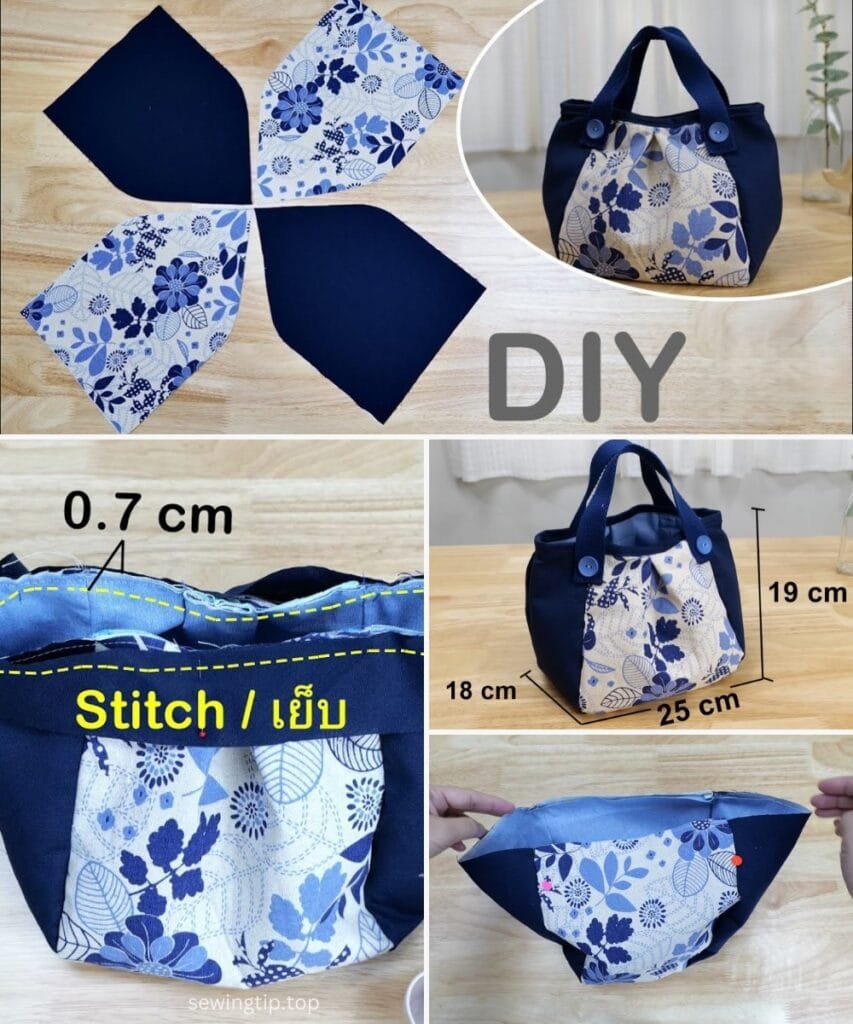
Once you’ve chosen your fabric, it’s time to prepare your sewing handbag pattern pieces. This involves measuring and cutting out the necessary components for the bag, such as the front, back, sides, and straps.
Start by downloading a free sewing handbag pattern online or designing your own. Most patterns will include clear instructions on the size and shape of each piece. If you’re creating a custom design, you’ll need to measure your desired dimensions and draw out the pieces on pattern paper. Be sure to include seam allowances, as these are necessary for assembling the bag.
If you’re new to pattern drafting, consider using pre-made templates that provide step-by-step guidance. This ensures accuracy and saves you time during the sewing process.
Once you have your pattern pieces ready, carefully cut them out from your fabric. It’s essential to use sharp fabric scissors to ensure clean edges. If your fabric is delicate, you may also want to pin the pieces in place before cutting to prevent shifting.
Assembling the Bag: A Step-by-Step Process
Now that you have all your fabric pieces cut out, it’s time to assemble your bag. This process can vary depending on the type of bag you’re making, but there are some essential steps that most sewing handbag patterns follow.
Start by sewing the body of the bag. For most patterns, this will involve stitching the front and back pieces together along the sides. Depending on the design, you may need to add a bottom piece to provide structure.
After the main body is assembled, move on to the handles. If your pattern calls for fabric straps, sew them separately and then attach them to the body of the bag. Be sure to reinforce the stitching at the points where the handles attach to ensure they’re secure.
Next, sew the lining pieces together. Once the lining is ready, insert it into the bag’s outer shell and sew around the top edge to secure everything in place. Be sure to leave a small opening in the lining to turn the bag inside out. After turning, sew the opening closed.
At this point, your bag should be coming together nicely. You can add additional features such as pockets, zippers, or buttons to enhance the design.
Adding Final Touches to Your Handbag
The final touches are what make your sewing handbag pattern truly unique. Whether it’s adding decorative elements like tassels, embroidery, or buttons, these little details can elevate your bag and give it a personal touch.
If your pattern includes instructions for adding a closure, this is the time to install it. Common closures include magnetic snaps, zippers, and button clasps. These features help keep your belongings secure and add an extra layer of functionality to your bag.
When adding these details, be sure to follow the pattern’s instructions carefully. If you’re using a zipper, for example, make sure it’s sewn in securely to avoid any future issues.
Lastly, take the time to press your bag with an iron to smooth out any wrinkles and give it a crisp finish. Pressing is a crucial step that ensures your bag looks professional and polished.
Frequently Asked Questions (FAQ)
1. How long does it take to sew a handbag?
The time it takes to sew a handbag depends on the complexity of the pattern and your sewing experience. On average, it can take anywhere from 2 to 4 hours for a simple project.
2. Can I use different fabrics for different parts of the handbag?
Absolutely! Mixing fabrics is a great way to personalize your bag. Just ensure that the materials are compatible in terms of weight and durability.
3. Do I need a sewing machine to make a handbag?
While it’s possible to sew a handbag by hand, using a sewing machine will speed up the process and provide stronger, more uniform stitches.
4. Can I make a handbag without a pattern?
Yes, you can! However, using a pattern makes the process easier, especially if you’re a beginner. It helps ensure the right proportions and structure for your bag.
5. How can I make my handbag more durable?
Choose sturdy fabrics like canvas or denim, and reinforce stress points like the handles with extra stitching.
6. How do I add a zipper to my handbag?
To add a zipper, simply follow the instructions in your pattern. It usually involves sewing the zipper along the top edge of the bag before assembling the lining.
Conclusion
Creating your own sewing handbag pattern is a rewarding project that can result in a stylish and functional accessory.
By choosing the right fabrics, following the proper steps, and adding personal touches, you can craft a handbag that reflects your unique style. Don’t forget to take your time and enjoy the process!
We hope this guide has been helpful in providing you with the knowledge and inspiration to create your own handbag. We’d love to hear your thoughts on this project—feel free to leave a sincere opinion or share any suggestions you might have for future articles. Happy sewing!