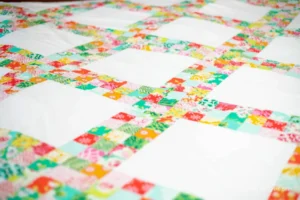
Crochet a Multicolor Granny Square Tutorial is one of the most exciting ways to bring color, creativity, and tradition together in the world of crochet.
This tutorial will not only show you the step-by-step process but also give you practical tips on how to choose colors, join squares, and make them part of larger projects.
Using bold shades, soft pastels, or even a mix of neutrals, you can truly customize your project.

Understanding the Basics of Granny Squares
The foundation of every Crochet a Multicolor Granny Square Tutorial is understanding the basic structure. Granny squares are typically built from the center outward in rounds, with each round adding more size and character. They usually involve chain stitches, double crochet, and slip stitches. These basic stitches are repeated in a specific pattern, creating the iconic square design loved worldwide.
When working with multiple colors, it’s important to know when to switch yarns. Color changes usually happen at the end of a round, allowing you to seamlessly add new shades without disrupting the flow. This creates a clean and professional look, which is crucial when making multicolor designs. By following consistent methods for joining yarn, you ensure durability and style.
Another key aspect is yarn choice. Cotton yarns give a sturdy and defined look, while acrylics are softer and more budget-friendly. Choosing the right yarn weight also affects the overall size of your granny square. Beginners are often advised to start with medium-weight yarn because it is easier to handle and shows stitches clearly.
Tension control is another vital part of the process. If your stitches are too tight, your square may curl, while loose stitches can cause a floppy look. Practicing consistency will improve the final outcome of your project. Crochet is forgiving, but developing good habits early on ensures your squares come out neat and uniform.
Understanding the pattern layout is just as important. Granny squares often feature sets of clusters separated by chain spaces. These repeats create the recognizable openwork pattern that makes them both decorative and functional. Familiarizing yourself with the written instructions and stitch abbreviations will make following patterns much easier.
Lastly, always keep your tools ready. A comfortable hook, sharp scissors, and a yarn needle for weaving in ends are essentials. Having everything on hand makes the process smoother and more enjoyable, especially when working with multiple yarn colors.
Choosing and Combining Colors
One of the most exciting parts of the Crochet a Multicolor Granny Square Tutorial is experimenting with color combinations. Granny squares are an open canvas, allowing you to play with shades that match your personal style or home décor. Choosing the right colors makes a huge difference in the final look of your project.
Start with a color palette that inspires you. Many crocheters like to use a color wheel as a guide, picking complementary or contrasting colors. For instance, pairing bright pink with turquoise creates a playful vibe, while mixing earth tones like brown, beige, and olive green offers a more rustic feel. The versatility of granny squares makes them suitable for all themes.
It’s also smart to plan your project in advance. Will your granny squares become part of a large blanket or a small accessory? Planning helps you determine how many colors you’ll need and in what order they should appear. This preparation avoids random results and ensures harmony in the final piece.
A common technique is to use one neutral color, such as white or black, between brighter shades. This makes the vibrant tones stand out more, giving balance to the overall design. Neutrals also create a polished look, especially in projects like bedspreads or garments.
Don’t hesitate to experiment with yarn textures too. Mixing matte and shiny yarns can add depth and dimension to your granny squares. Just ensure the yarns are of similar weight so the stitches remain consistent throughout your project.
Remember that the act of changing colors adds charm but also creates more yarn ends to weave in. To minimize frustration, weave ends as you go rather than saving them for the end. This way, your granny squares will be ready to use immediately after completion.
Step-by-Step Process of Making a Granny Square
Now that you understand the foundation and colors, let’s break down the actual process of the Crochet a Multicolor Granny Square Tutorial. Starting with a magic ring or a simple chain loop, you’ll work your first round of clusters into the center. This step is where your square begins to take shape.
The magic ring method is preferred because it allows you to pull the center tightly closed, avoiding gaps. However, beginners may find it easier to start with a chain of four and join with a slip stitch. Both techniques work well depending on your comfort level.
The next step involves creating your first set of clusters. Typically, a cluster is made of three double crochet stitches in the same space. These clusters form the “petals” of your granny square. After each cluster, you’ll chain one or two stitches depending on the pattern. This creates the openwork style granny squares are known for.
When you complete the first round, you’ll join the last stitch to the first with a slip stitch. At this point, you can decide whether to change colors or continue with the same shade. Many crocheters like to add a new color with each round for a bold effect.
As you progress, each new round builds on the previous one, expanding the square evenly. Corners are formed by working clusters separated by chain spaces, ensuring that the shape stays square rather than turning into a circle. Attention to these details helps maintain balance in your design.
Finally, when your granny square reaches the desired size, fasten off your yarn and weave in all loose ends. Your square is now ready to be used as an individual piece or joined with others for larger projects.
Creative Uses for Multicolor Granny Squares
The beauty of following the Crochet a Multicolor Granny Square Tutorial lies in its endless possibilities. Once you have a collection of squares, you can assemble them into a variety of projects. This flexibility is what makes granny squares so beloved in the crochet world.
One of the most popular uses is creating blankets. By joining multiple squares, you can design anything from a small lap blanket to a large bedspread. The colorful designs bring warmth and personality to any living space, making them treasured handmade items.
Granny squares are also perfect for fashion accessories. Many crocheters turn them into bags, scarves, or even cardigans. With careful planning, each square becomes part of a stylish and unique garment that showcases your creativity and skill.
For home décor, granny squares can be transformed into pillow covers, table runners, or even wall hangings. The vibrant patterns instantly brighten up a room and add a handmade touch that no store-bought item can match.
Smaller projects are equally enjoyable. Coasters, potholders, and bookmarks made from granny squares make thoughtful and practical gifts. Their compact size allows you to experiment with new color combinations without committing to a large project.
Finally, multicolor granny squares are a fantastic way to use up leftover yarn from other projects. Instead of wasting small amounts of yarn, you can turn them into colorful pieces that combine into something truly beautiful.
FAQ
What is the best yarn for making multicolor granny squares?
Medium-weight acrylic yarn is often recommended for beginners because it’s affordable, durable, and easy to work with. Cotton yarn is also a great option for projects that need more structure.
How do I keep my granny square from curling?
Curling usually happens when your tension is too tight. Try to relax your stitches and use the correct hook size recommended for your yarn. Blocking the finished square also helps.
Can I make a granny square with just one color?
Yes, you can. While the Crochet a Multicolor Granny Square Tutorial focuses on multiple shades, a solid color granny square can look elegant and sophisticated.
How do I join granny squares together?
You can use several methods, including slip stitch, whip stitch, or the join-as-you-go technique. The method you choose depends on the look and flexibility you want.
How many rounds should a granny square have?
There is no fixed number. The size depends on your project. For small coasters, three or four rounds are enough, while larger projects like blankets may require ten or more rounds per square.
Is this project suitable for beginners?
Yes, granny squares are beginner-friendly. With a bit of practice, anyone can follow the steps of the Crochet a Multicolor Granny Square Tutorial and create beautiful results.
Conclusion
In this article, we explored the Crochet a Multicolor Granny Square Tutorial step by step, from understanding the basics and choosing colors to the actual process and creative applications. With patience and creativity, you can transform simple stitches into vibrant, unique works of art.
VIDEO TUTORIAL
Now that you have the knowledge, it’s your turn to practice and experiment. Start small, build confidence, and gradually expand your projects. Don’t forget to share your creations and experiences—your feedback is valuable. Please leave your honest opinion and suggestions so we can continue improving future tutorials.