If you’ve ever wondered how to make a unique handbag at home with fabric strips, you’re about to discover a fun, rewarding, and creative way to express your personal style. This DIY project is perfect for beginners and seasoned crafters alike, using simple materials and easy-to-follow techniques to create a one-of-a-kind accessory.
Making a handbag at home using fabric strips not only allows you to repurpose leftover fabrics or upcycle old clothes, but also lets you design something that reflects your taste. Whether you’re aiming for a boho chic look, a vintage patchwork vibe, or a modern minimalist design, this technique is versatile enough to match any aesthetic.
In this comprehensive guide, you’ll learn everything about how to make a unique handbag at home with fabric strips. From choosing materials to assembling, decorating, and finishing touches, each step is explained to ensure you create a beautiful, sturdy, and practical bag you’ll be proud to carry.
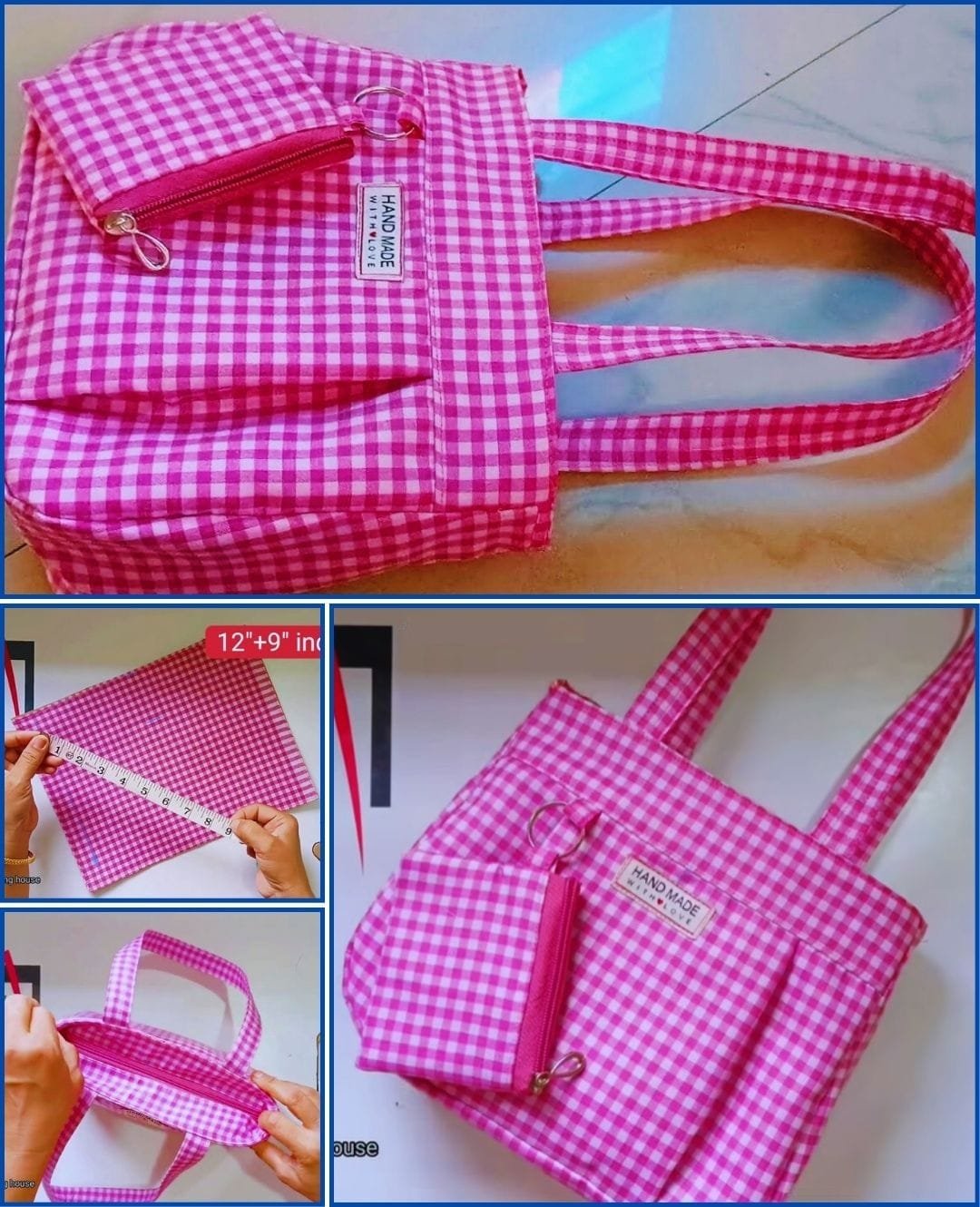
Selecting Materials and Tools for Your Fabric Strip Handbag
The first step in learning how to make a unique handbag at home with fabric strips is gathering your supplies. Choosing the right materials sets the foundation for both the visual appeal and durability of your bag.
Start with your fabric strips. These can be cut from leftover fabric, old clothes like jeans or shirts, or even scrap pieces from previous sewing projects. Aim for strips that are around 1 to 2 inches wide and at least 12 inches long.
Pick a lining fabric that adds structure and stability. Cotton, linen, or even lightweight canvas work well for the inner layer of your handbag.
Make sure you have essential sewing tools on hand: fabric scissors, pins, measuring tape, thread, and a sewing machine (or needle if sewing by hand). Choose threads that match or contrast based on your design preference.
Optional but useful supplies include fusible interfacing for added stiffness, magnetic snaps or zippers for closures, and embellishments like beads, tassels, or lace for decoration.
Also, decide how you want to create the bag handles. You can use braided fabric strips, pre-made leather handles, or repurpose old belts for a more rustic finish.
Before beginning, wash and iron all fabrics. This prevents shrinkage and makes sewing much easier as you shape your design.
Preparing and Assembling the Fabric Strips
A crucial part of how to make a unique handbag at home with fabric strips is preparing the fabric strips properly and assembling them into a unified piece of fabric.
Start by folding each strip lengthwise with the right sides facing out and iron them to create crisp edges. This not only prevents fraying but also gives your bag a polished appearance.
Decide on a pattern or color arrangement. You can alternate between light and dark tones, create a rainbow effect, or go for a monochrome look with textures instead of colors doing the talking.
Lay your strips side by side and use pins to secure them in place. Stitch them together using a straight or zigzag stitch. Overlap the edges slightly for a cleaner and stronger seam.
Once you’ve stitched enough strips to form the exterior panel of the handbag, press it flat with an iron. Trim the edges to make sure the piece is even on all sides.
For a sturdier design, attach interfacing to the back of your panel. This gives the bag more form and helps it hold its shape over time.
Repeat the process if you’re planning to add pockets or decorative panels to the exterior of the bag.
Sewing the Body and Handles of the Handbag
Now let’s get into the construction process—the heart of how to make a unique handbag at home with fabric strips. It’s time to turn your flat fabric panel into a functional bag.
Cut the front and back panels for your bag using the joined fabric strip piece. Use a template if you want a specific shape like rectangular, tote-style, or semi-circle.
Cut matching pieces from your lining fabric. Place the lining and exterior panels right sides together and sew along the sides and bottom, leaving the top edge open.
If you’d like a boxed bottom, pinch the lower corners and sew across them to create a flat base. Trim the excess fabric to reduce bulk.
Turn the outer piece right side out and insert the lining into it, wrong sides together. Fold the raw edges of the top opening inward, press, and topstitch around the opening to close it.
Prepare your handles. Braid fabric strips together or use belts or cords. Measure your desired length and attach them securely to the top of the bag using reinforced stitches or rivets.
Add any closures you want—buttons, zippers, or magnetic snaps—by hand sewing or machine stitching them into place before finishing the top seam.
Decorating and Personalizing Your Handbag
The final step in how to make a unique handbag at home with fabric strips is adding creative details that make your bag truly yours. This is where you can shine with style and originality.
Try adding hand embroidery to the front or sides of the bag. Use contrasting thread to create floral designs, initials, or geometric patterns.
Sew on decorative buttons, charms, or beaded designs. These small accents can make a big visual impact and turn a simple bag into a statement piece.
Attach fabric flowers or appliqué designs made from leftover strips. Layer them for depth and use fun color combinations to add a playful or elegant touch.
Consider making a matching keychain or tassel from extra fabric strips. Attach it to the zipper or handle as a cute and functional accessory.
Use fabric paint or iron-on patches to add graphics, logos, or quotes. This works well if you want a more modern or streetwear-inspired look.
If you’re giving the handbag as a gift, add a personal label or tag inside with a message or the recipient’s name for a meaningful and memorable touch.
FAQ – Frequently Asked Questions
Can I make a handbag with fabric strips if I don’t have a sewing machine?
Yes! While a sewing machine speeds things up, you can sew the bag entirely by hand. Use a strong needle and durable thread, and take your time to secure all seams tightly.
What type of fabric is best for fabric strips?
Medium-weight fabrics like cotton, denim, and canvas are ideal. They’re sturdy enough to hold shape but still easy to sew. Avoid stretchy or slippery fabrics unless you’re experienced.
How do I prevent the fabric strips from fraying?
You can fold and iron the edges before sewing, use pinking shears to cut the strips, or apply a light layer of fray-check on the raw edges for extra security.
How long does it take to make a handbag at home?
For beginners, it may take around 4–6 hours to complete the project. With more practice, you can reduce the time significantly.
Can I wash the bag after making it?
Yes. Hand wash in cold water using mild detergent and let it air dry. If your bag includes delicate embellishments, avoid machine washing.
Can I sell handbags I make with fabric strips?
Definitely! As long as you’re using your own design or permission-free patterns, handmade handbags are great for selling at craft fairs or online shops.
Conclusion
Now that you’ve learned how to make a unique handbag at home with fabric strips, you’re ready to begin crafting something beautiful and personal. From selecting fabric and assembling strips to stitching, decorating, and finishing your one-of-a-kind handbag, this guide covered every essential step.
This project is not only creative but also sustainable and budget-friendly. Whether you make it for yourself, as a gift, or even to sell, each bag will carry a story—your story.
If you enjoyed this tutorial or have any suggestions to improve future guides, please leave a genuine opinion below. Your feedback is always welcome and helps us create even better content for DIY lovers like you!