The Moon Glow Quilt Pattern is one of the most mesmerizing and visually stunning designs in the quilting world. With its radiant blocks and captivating color gradients, this pattern captures the celestial beauty of a glowing moon against a vibrant sky. Whether you are a beginner intrigued by the glow effect or an experienced quilter seeking your next artistic challenge, the Moon Glow Quilt Pattern offers a rewarding experience.
This pattern is known for its dramatic contrast, symmetry, and dynamic use of color, often using a black or dark background to emphasize the luminous blocks. Many quilters find that working with the Moon Glow Quilt Pattern helps them understand color theory more deeply while exploring new quilting techniques. Because of its balance between structure and creativity, this pattern continues to enchant hobbyists around the world.
In this article, we’ll dive deep into everything you need to know about the Moon Glow Quilt Pattern—from its origins and design structure to fabric choices, assembly tips, and quilting advice. You’ll also find answers to frequently asked questions at the end, plus a helpful summary and a request for your own feedback.
Understanding the Moon Glow Quilt Pattern Design
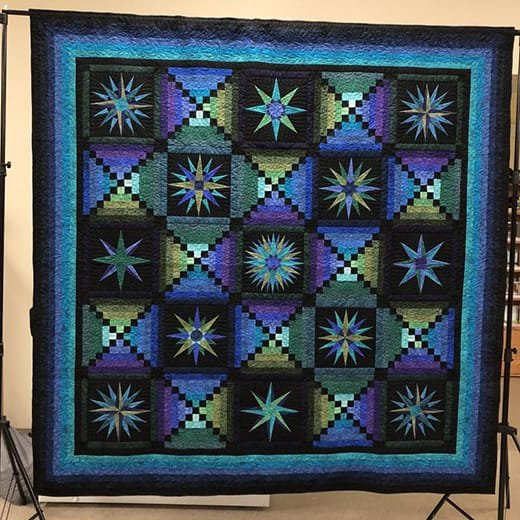
The Moon Glow Quilt Pattern is characterized by a series of glowing, starburst-like blocks that create a sense of depth and illumination. Each block features a radiating star or geometric form that appears to shine against a dark, typically black background.
This glowing effect is achieved through a deliberate progression of color values. Starting from the center of each block, lighter shades transition outward into deeper tones, simulating the way moonlight glows in the night sky. This interplay of light and dark is what gives the Moon Glow Quilt Pattern its signature brilliance.
Color selection is crucial. Choosing a harmonious color palette enhances the visual harmony of the finished quilt. Many quilters use hand-dyed or batik fabrics to create a more dramatic effect. These fabrics often have unique variations in tone and saturation, ideal for capturing the natural glow.
Precision in piecing is also important. The starburst designs often involve multiple points and sharp angles, requiring careful cutting and stitching. Templates and rotary cutters are your best friends here, and accurate seam allowances are key to a seamless layout.
One appealing feature of the Moon Glow Quilt Pattern is that it allows for experimentation. While traditional patterns use consistent block designs throughout the quilt, modern quilters often switch up the centers or play with different color gradients to make each block unique.
Quilters love how this pattern can scale. Whether you’re making a wall hanging, throw quilt, or full-sized bed quilt, the Moon Glow Quilt Pattern maintains its stunning aesthetic and structural integrity.
Choosing Fabrics and Color Palettes
Selecting fabrics for your Moon Glow Quilt Pattern project is arguably the most exciting step. The visual glow of each block largely depends on the contrast between colors, making thoughtful selection essential.
Start with a dark background, typically black or deep navy. This backdrop mimics the night sky and allows the vibrant colors in your blocks to truly shine. Solid black is a safe and classic choice, but marbled or textured blacks can add an extra layer of interest.
Next, focus on your color transitions. You’ll need several shades of each color family, progressing from light to dark. Many quilters prefer jewel tones—deep purples, electric blues, and emerald greens—for a magical, celestial feel.
If you’re going for a more natural moonlight effect, consider working with grays, silvers, and soft whites. These create a more ethereal and subdued quilt that still preserves the iconic glow.
Use a color wheel to ensure your selections are balanced and complementary. Warm colors can create an inviting quilt, while cooler tones evoke calm and mystery. You may want to group your blocks by color theme or alternate them for visual diversity.
Batiks and hand-dyed fabrics are popular for the Moon Glow Quilt Pattern because of their unique color variations and organic textures. These variations mimic the irregular beauty of light radiating from the moon.
Don’t forget to prewash your fabrics to avoid color bleeding, especially when using dark backgrounds and highly saturated hues. This will help maintain the quilt’s clarity and brilliance after washing.
Assembly Tips for Stunning Results
Piecing the Moon Glow Quilt Pattern requires both precision and patience. Each block typically involves multiple components, including triangles, squares, and star points, which must align perfectly for a clean result.
Start by organizing your fabrics and cutting them accurately. Label each piece to avoid confusion during assembly. Use high-quality rotary cutters and rulers to maintain consistent sizes and shapes.
Stitch blocks in stages. Begin with the center elements and work outward. This helps maintain symmetry and prevents distortion. Use chain piecing where possible to save time and thread.
When working with dark fabrics, consider using a lighter-colored thread for piecing so you can see your stitches more clearly. Press seams open or to the dark side depending on block complexity and bulk.
A design wall can be a useful tool. Lay out your completed blocks before final assembly to experiment with color placement and achieve the desired overall flow.
Sashing and borders can elevate your finished piece. A narrow inner border in a complementary tone can frame the central design beautifully, while a wide outer border gives the quilt weight and balance.
Once the top is assembled, layer your quilt carefully. Basting is essential—whether you prefer pins, spray adhesive, or hand basting, ensure the layers remain flat and smooth before quilting.
Quilting and Finishing Techniques
Now that your quilt top is complete, it’s time to quilt your masterpiece. The Moon Glow Quilt Pattern offers numerous opportunities to enhance the design with creative quilting techniques.
Consider echo quilting around the starburst patterns to enhance their glowing effect. This technique involves stitching concentric lines around the shapes, helping them stand out even more.
Free-motion quilting is another great option. Swirls, feathers, and celestial motifs like stars or moons can complement the theme and add artistic flair.
If you prefer a more structured look, straight-line quilting using a walking foot can give the quilt a modern, clean finish. Vertical and diagonal lines often work well with the geometric nature of the pattern.
Thread choice matters. Use a thread color that blends with your background or contrasts slightly with your blocks, depending on the look you want to achieve. Metallic threads can add shimmer but require careful handling.
Binding your quilt is the final touch. Use a fabric that complements or contrasts with your quilt’s outer border. A hand-sewn finish provides a classic look, while machine binding is quicker and more durable.
Label your quilt with the name, date, and maker’s info. This is not only a lovely personal touch but also helps preserve the story behind your creation for future generations.
FAQ: Frequently Asked Questions About the Moon Glow Quilt Pattern
What is the best fabric to use for the Moon Glow Quilt Pattern?
High-quality cotton fabrics are ideal. Batiks or hand-dyed fabrics work especially well due to their rich colors and subtle gradients, which enhance the glowing effect.
Is the Moon Glow Quilt Pattern suitable for beginners?
This pattern is more suited to intermediate or advanced quilters due to the precise piecing required. However, confident beginners can try it by starting with fewer blocks or a smaller project.
How large is a typical Moon Glow Quilt?
Sizes vary, but a full-size Moon Glow Quilt Pattern often includes 12–16 blocks, each about 12–15 inches, making the finished piece around 60×80 inches or larger with borders.
Can I use pre-cut fabric bundles for this pattern?
Yes, pre-cut fat quarter bundles or gradient color packs can work well, especially if they include a range of values from light to dark in the same color family.
What’s the best quilting technique for enhancing the glowing effect?
Echo quilting or free-motion quilting that follows the starburst lines can really make the blocks pop. Using contrasting thread also enhances the visual glow.
How can I prevent distortion when piecing the blocks?
Accurate cutting, consistent seam allowances, and pressing carefully will help prevent distortion. Always check block sizes before final assembly.
Conclusion
The Moon Glow Quilt Pattern is more than just a project—it’s a journey into light, color, and creative exploration. With its luminous star blocks and dramatic contrasts, this pattern offers both a challenge and a reward for those who take it on.