The Lucky Star Block pattern is a beloved and enduring design in the world of quilting. Known for its symmetrical beauty and symbolic charm, this pattern continues to inspire quilters across all skill levels. Whether you are a beginner or an experienced quilter, understanding the techniques and variations behind this classic block can unlock creative possibilities in your quilting journey.
The Lucky Star Block pattern features a striking star motif, often created using triangles and square units that form a radiant, geometric figure. It’s a block that captures attention and tells a story of tradition, craftsmanship, and meticulous artistry. It’s no surprise that quilters around the world continue to return to this pattern generation after generation.
In this article, we will explore everything you need to know about the Lucky Star Block pattern, from its structure and history to step-by-step construction methods and inspiring design ideas. Whether you plan to use it for quilts, wall hangings, or decorative cushions, this guide will help you craft a block that shines bright in any project.
What Is the Lucky Star Block Pattern?
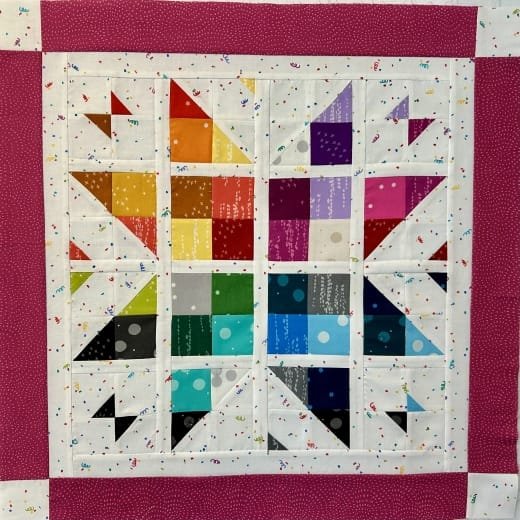
The Lucky Star Block pattern is a traditional quilt block that combines triangles and squares to form an eight-pointed star, typically set against a square background. It’s a visually captivating design that represents good fortune and creativity in quilting.
This pattern often uses contrasting fabrics to emphasize the star shape, making it pop against the background. Many quilters choose bold colors or prints to bring energy and dimension to their Lucky Star Block pattern. The precise angles and clean lines give it a sophisticated look while still being approachable for beginners.
Originally popularized in the early 20th century, the Lucky Star Block pattern has become a staple in quilting circles, frequently used in both modern and traditional quilts. The pattern is versatile and can be resized or repeated to create stunning quilt tops.
There are several ways to construct the block, including foundation paper piecing, traditional piecing, or using pre-cut templates. Each method brings its own level of ease and accuracy, depending on your quilting style.
For many, the appeal of the Lucky Star Block pattern lies in its ability to be personalized. From fabric choices to size adaptations, quilters can put their unique touch on each block while preserving its classic charm.
Understanding the layout of the block is key before cutting into any fabric. A basic Lucky Star Block includes a center square, surrounding triangles, and corner units, all contributing to its iconic star shape.
How to Construct the Lucky Star Block
Building a Lucky Star Block pattern starts with careful planning and fabric selection. Choose fabrics that contrast well to highlight the star design. Many quilters use a light background with darker star points or vice versa.
Begin by cutting your fabric into the required shapes. Most versions of the Lucky Star Block pattern use half-square triangles (HSTs), quarter-square triangles (QSTs), and squares. Precision in cutting will make your final block cleaner and easier to assemble.
Once your pieces are cut, start by sewing the smaller triangle units together to form larger units. This step typically includes joining two half-square triangles into a square that becomes part of the star points.
Next, assemble the rows. A typical Lucky Star Block pattern uses a 3×3 grid, which means arranging your units into three horizontal rows before sewing them together. Keep the orientation consistent to ensure the star pattern aligns correctly.
Iron each seam flat after sewing, preferably pressing towards the darker fabric. This helps reduce bulk in the final block and allows it to lay flat when sewn into a quilt.
After assembling all rows, join them together carefully. Check the alignment at each seam intersection to maintain the sharpness of the star shape. Trim the block to its final size if needed.
Repeat this process to create multiple Lucky Star Blocks for a full quilt. They can be alternated with solid blocks, other star patterns, or sashing strips for a dynamic layout.
Design Variations and Inspiration
One of the joys of the Lucky Star Block pattern is how easily it can be customized. From size variations to fabric styles, there’s no limit to what you can create with this timeless block.
Modern quilters often play with scale by enlarging the star for a bold centerpiece or shrinking it down for mini quilts and accessories. Regardless of the size, the Lucky Star Block pattern retains its elegant symmetry and visual appeal.
Color is another area where quilters can get creative. Try using gradients, ombre effects, or even a scrappy look by mixing various prints for the star points. These approaches give a fresh twist to the traditional block.
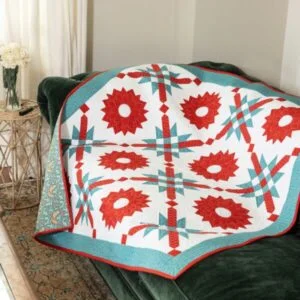
You can also rotate blocks or place them on point (diagonal layout) for added interest. When set in alternate directions, the Lucky Star Block pattern can create a kaleidoscope-like effect across the quilt.
Try adding borders or cornerstones between blocks to frame your design and add dimension. This is especially useful when turning multiple blocks into a full quilt top.
Themed fabric collections can also elevate the design. Holiday prints, florals, or vintage fabrics can all be used to tell a story through your quilt. Each choice breathes new life into the Lucky Star Block pattern.
Finally, consider mixing the Lucky Star Block with other classic blocks like Flying Geese or Nine Patch. The contrast between block styles can make your quilt stand out while showcasing your skills as a quilter.
Tips for Beginners Using the Lucky Star Block
If you’re new to quilting, don’t be intimidated by the precise look of the Lucky Star Block pattern. With some preparation and practice, it can become one of your favorite designs to work with.
Start with a single block to get a feel for the construction process. Using a Lucky Star Block pattern as a standalone piece is a great way to practice before committing to a larger quilt project.
Use a rotary cutter, clear quilting ruler, and self-healing mat for accurate cutting. Precision at this stage will help prevent frustration during assembly.
Choose high-contrast fabrics for your first block. This not only enhances the visual impact of the Lucky Star Block pattern, but also helps you see the structure and seams more clearly as you work.
Practice chain piecing when making multiple blocks. It speeds up the process and ensures consistency across all blocks. Label your pieces before sewing to stay organized.
Be patient with pressing. Many quilting mistakes stem from uneven or rushed ironing. Press each unit carefully and check measurements before assembling final rows.
Finally, keep your first few blocks for reference. They serve as a visual guide for future projects and can even be turned into decorative pillows, bags, or wall art using the Lucky Star Block pattern.
Frequently Asked Questions (FAQ)
What size is a standard Lucky Star Block?
Most traditional Lucky Star Block patterns are 12 inches finished, but you can easily scale them to 6, 9, or 15 inches based on your project needs.
Can I use pre-cuts for the Lucky Star Block?
Yes! Pre-cuts like charm packs and layer cakes can be perfect for this block, especially for the star points and background. Just be sure to adapt the pattern measurements accordingly.
Is the Lucky Star Block good for beginners?
Absolutely. While it involves precision, the Lucky Star Block pattern uses basic units like squares and triangles, making it manageable for those new to quilting.
What fabrics work best for this block?
High-contrast fabrics are ideal. Use solids or small-scale prints to help define the star. Avoid large prints, which can make the pattern appear less crisp.
How do I keep my star points sharp?
Accuracy in cutting and sewing is key. Make sure your seam allowances are consistent and press your seams carefully. Trimming each unit can also help maintain clean points.
Can I use this block in a quilt with other block patterns?
Yes, the Lucky Star Block pattern pairs beautifully with other classic blocks. Combining it with Nine Patch or Log Cabin blocks adds depth and complexity to your quilt design.
Conclusion
The Lucky Star Block pattern is more than just a decorative motif — it’s a celebration of tradition, geometry, and creative expression. Whether you’re crafting a single block or designing a full quilt, this timeless pattern offers endless opportunities for personalization and artistry.