The Divided Star Illusion Pattern is a breathtaking quilt design that plays with geometry, depth, and perception to create an optical illusion that mesmerizes the viewer. This pattern combines sharp angles, light and dark fabric contrasts, and precise piecing to form a star that appears to shift and move as you look at it. Whether you’re a beginner looking for a challenge or an experienced quilter aiming to master illusion quilting, this pattern offers a rewarding experience.
From the moment you start working with the Divided Star Illusion Pattern, you’ll notice how the alignment of each piece contributes to the whole effect. Unlike more traditional star blocks, this pattern gives a 3D-like impression, creating the illusion of movement or shadow depending on your color choices. The final product isn’t just a quilt—it’s a piece of fabric art that plays tricks on the eye in the most delightful way.
In this article, we’ll explore the construction process, color planning, quilting tips, and creative uses of the Divided Star Illusion Pattern. You’ll also find a detailed FAQ section that addresses the most common questions and a summary that ties it all together. If you’re looking to create something both classic and modern, with a twist of visual trickery, keep reading to dive deep into this fascinating pattern.
Understanding the Divided Star Illusion Pattern
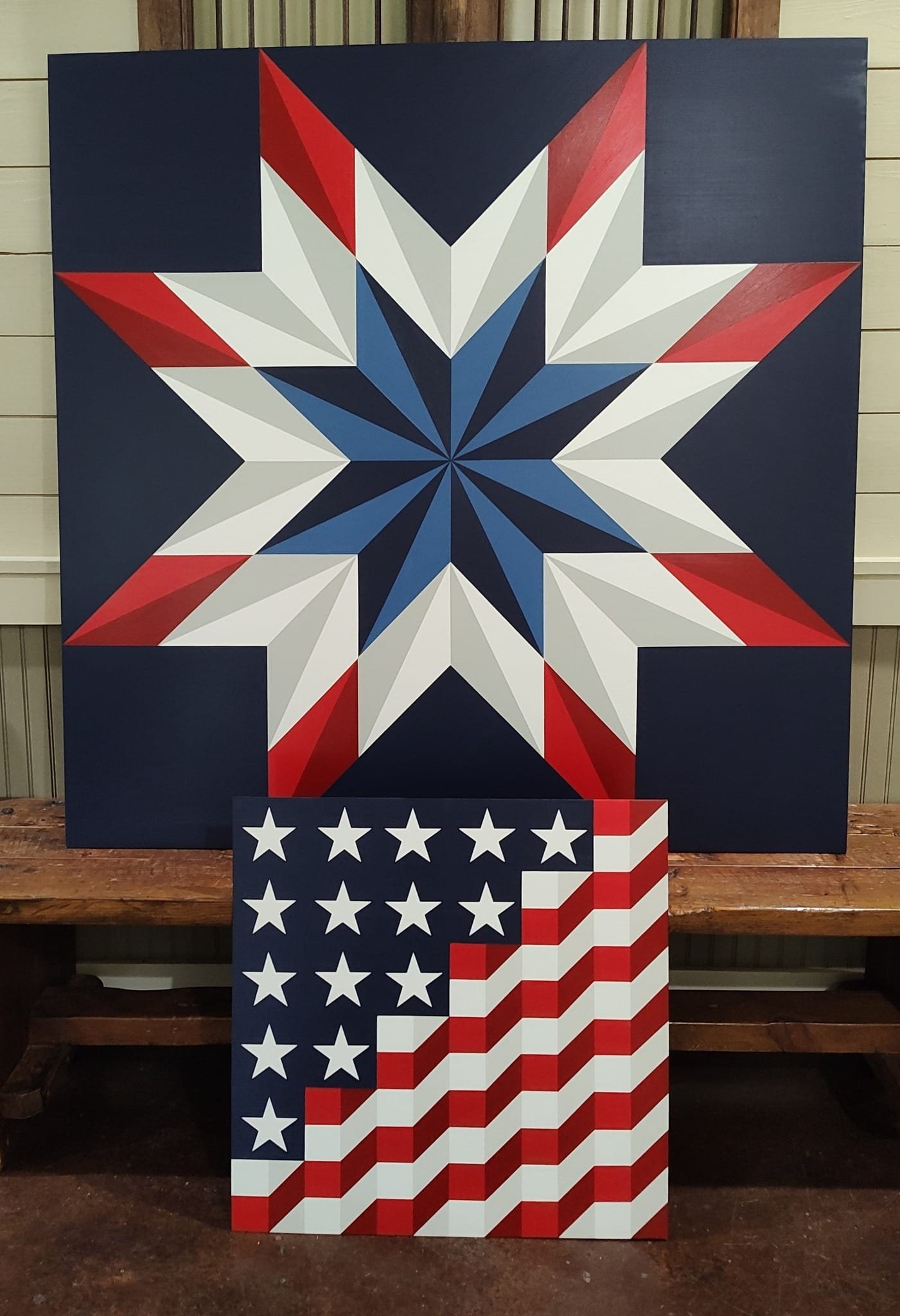
The heart of the Divided Star Illusion Pattern lies in its geometric composition. By dividing a star into multiple segments and aligning them in a precise configuration, the pattern gives off a visual illusion of depth and dimension. It’s not magic—it’s pure math, color theory, and craftsmanship combined.
Each “point” of the star is constructed from fabric triangles and parallelograms, which when arranged correctly, create the illusion of a three-dimensional shape. The sharp edges and repetitive lines guide the viewer’s eyes inward or outward, depending on the fabric shades used. This technique gives the star a sense of movement and expansion.
Choosing the right colors is critical. You’ll want at least three tones: a light, a medium, and a dark fabric. These create the contrast that makes the illusion effective. If you skip this step or the values are too similar, the illusion disappears, and you’re left with a flat design.
Cutting and piecing must be accurate. Even a small deviation can break the illusion, making it appear uneven or distorted. That’s why it’s highly recommended to starch your fabrics before cutting to reduce stretching and improve precision during sewing.
Pressing matters just as much as stitching. Pressing seams open helps the quilt top lie flat, while pressing to one side may create unnecessary bulk that interferes with alignment. Test-press a small section first and decide based on your project size and fabric thickness.
Finally, the placement of each block in the overall quilt layout will influence how strong the illusion appears. For maximum impact, use alternating rotations or mirror images to enhance the movement effect.
Planning Your Colors and Fabrics
Color choice is the secret ingredient in a successful Divided Star Illusion Pattern. Without the right balance of tones, the design won’t pop the way it’s supposed to. Let’s talk about how to pick fabrics that enhance the illusion.
Start by choosing a neutral background that won’t fight with your star colors. White, cream, or black often work best depending on your palette. This background allows the star points to stand out rather than blend in.
For the illusion effect, select fabrics that have clearly different values. A high-contrast combination like black, gray, and white is classic. But you can also get creative with color families like blue, teal, and navy or pink, red, and burgundy—just make sure there’s contrast in shade.
Consider using solids or tone-on-tone fabrics. Busy prints can distract from the sharp lines of the design. If you love prints, keep them subtle and low-volume to preserve the illusion.
A good trick is to view your fabric choices in black and white. Take a photo with your phone and apply a grayscale filter. If the colors blend together, your illusion won’t work. If they stand apart, you’re on the right track.
You can also play with transparency effects by layering sheer tones or using gradients. This can enhance the illusion by suggesting light and shadow, just like in real 3D objects.
If you’re unsure about your choices, mock up a small section first. Sew just one block and evaluate whether the illusion is coming through before committing to a full quilt top.
Techniques and Tips for Quilting Success
Once you’ve planned your fabrics, it’s time to dive into the construction of the Divided Star Illusion Pattern. This section will guide you through tips and methods to ensure your blocks are precise and impactful.
First and foremost, accurate cutting is key. Use a rotary cutter and acrylic rulers to ensure each piece is consistent. Double-check measurements before each cut. Templates can help with complex angles if included in your pattern.
Work in stages. Instead of building one complete block at a time, try piecing all similar sections at once—this reduces error and keeps your sewing rhythm smooth and consistent. Chain-piecing triangles and parallelograms will save time too.
Maintain a strict quarter-inch seam allowance. Even small variances can throw off the alignment of the star. Consider using a quarter-inch foot on your sewing machine and testing with scrap fabric first.
Use pins or clips to keep points aligned. The star points should converge precisely at the center—misalignment here is especially noticeable in this type of illusion pattern. Don’t rush this part.
When assembling the quilt top, lay out all your blocks before sewing them together. Adjust placements as needed to optimize the illusion effect. Sometimes flipping or rotating a block slightly enhances the 3D depth.
For quilting the final product, keep it simple. Straight-line quilting that follows the lines of the star will emphasize the geometry. Avoid overly decorative stitching that could clash with the clean optical effect of the Divided Star Illusion Pattern.
Creative Uses and Display Ideas
The Divided Star Illusion Pattern is incredibly versatile. While it makes a stunning quilt, there are many other creative ways to use this design in your sewing projects.
Turn a single block into a striking pillow cover. With just one illusion block, you can create a sophisticated, modern accent for your living room or bedroom. Use an envelope backing or install a zipper for easy washing.
Use it as the centerpiece of a table runner. Surround the illusion star with borders or sashing in coordinating fabrics for a unique dining table look. It’s a conversation starter at every meal.
Wall hangings are another popular choice. Hang a square or diamond-oriented version of the pattern on a blank wall to add visual interest and depth to any room. It’s art made from fabric.
You can also scale it down for a tote bag panel. Whether you make a whole quilted bag or just add the illusion block to one side, it’s a fantastic way to carry your work and creativity with you.
For a more advanced project, incorporate the Divided Star Illusion Pattern into a quilt sampler. Combine it with other illusion blocks or modern quilt styles for a cohesive yet dynamic design.
Don’t forget gifting! A small quilt featuring the illusion pattern makes a thoughtful handmade gift. It combines beauty, craftsmanship, and the element of surprise—perfect for birthdays or holidays.
FAQ About the Divided Star Illusion Pattern
What is the Divided Star Illusion Pattern?
It’s a quilting design that creates a visual effect of depth and movement using geometric shapes and strategic color placement.
Is this pattern suitable for beginners?
While not ideal for complete beginners, confident beginners with experience in accurate piecing and color contrast can definitely give it a try.
What fabrics work best for the illusion effect?
High-contrast solids or subtle tone-on-tone prints work best. Choose three distinct values: light, medium, and dark.
Can I make this pattern without a template?
Some versions use templates for accuracy, especially for non-standard angles. However, many patterns are designed for rotary cutting without templates.
How should I quilt a Divided Star Illusion design?
Straight-line quilting that follows the shape of the star enhances the illusion. Avoid dense or overly decorative quilting that distracts from the geometry.
What size is a typical block?
Block sizes vary depending on the pattern. Common sizes are 12″ or 16″ squares, but you can scale it as needed for your project.
How long does it take to make a full quilt with this pattern?
The time varies by size and skill level. A confident quilter might finish a lap-sized quilt in a few weekends, while beginners may need more time.
Can I use printed fabrics?
Yes, but stick with subtle prints. Loud or busy designs can interfere with the visual illusion.
What tools do I need?
Rotary cutter, acrylic rulers, cutting mat, quarter-inch foot, iron, and optionally templates depending on the pattern.
Can I modify the layout for a different look?
Absolutely. Try rotating blocks, offsetting rows, or using negative space to personalize your version of the Divided Star Illusion Pattern.
Conclusion
The Divided Star Illusion Pattern offers a captivating challenge for quilters of all skill levels. It blends precision cutting, strategic color planning, and creative assembly into a quilt that truly stands out. From small home decor pieces to full-sized quilts, the applications of this pattern are as versatile as they are visually stunning.