A Fabric H-Shaped Travel Pillow Pattern is a practical sewing project for anyone who enjoys making comfortable accessories for road trips, flights, and relaxing at home.
Unlike traditional rectangular pillows, an H-shaped travel pillow has a special silhouette that makes it easy to customize for different needs. You can experiment with soft fabrics, supportive filling, removable covers, and decorative details to create a useful handmade accessory.
Whether you are an experienced sewer or a beginner looking for a functional project, this pattern offers plenty of opportunities to practice cutting, stitching, shaping, and finishing techniques.
Choosing the Best Fabrics and Sewing Materials
The fabric you select plays an important role in the comfort and durability of your Fabric H-Shaped Travel Pillow. Since the pillow will rest against the neck and face, choose materials that feel soft against the skin and are easy to maintain.
Cotton fabric is an excellent option for the outer cover because it is breathable, widely available, and suitable for frequent washing. Quilting cotton works particularly well for decorative designs, although softer cotton varieties can provide a more comfortable finish.
For a cozy alternative, consider minky fabric, fleece, or a soft cotton flannel. These materials create a warmer surface, making them especially appealing for travel during colder months.
Before cutting, wash and dry washable fabrics according to their care instructions. This helps prevent unexpected shrinkage after the pillow has been completed.
Gather the following supplies:
- Approximately ½ yard of outer fabric, depending on pillow dimensions.
- Matching sewing thread.
- Polyester fiberfill or another washable pillow filling.
- Paper for creating the pattern template.
- Fabric scissors or a rotary cutter.
- Measuring tape or quilting ruler.
- Sewing machine.
- Pins or sewing clips.
- Hand-sewing needle.
- Optional zipper or hook-and-loop fastening for a removable cover.
A medium-weight woven cotton is a reliable starting point for beginners. If you want to combine different textures, use a soft fabric on the areas that touch the face and a slightly sturdier material for the inner structure.
Creating the H-Shaped Travel Pillow Pattern
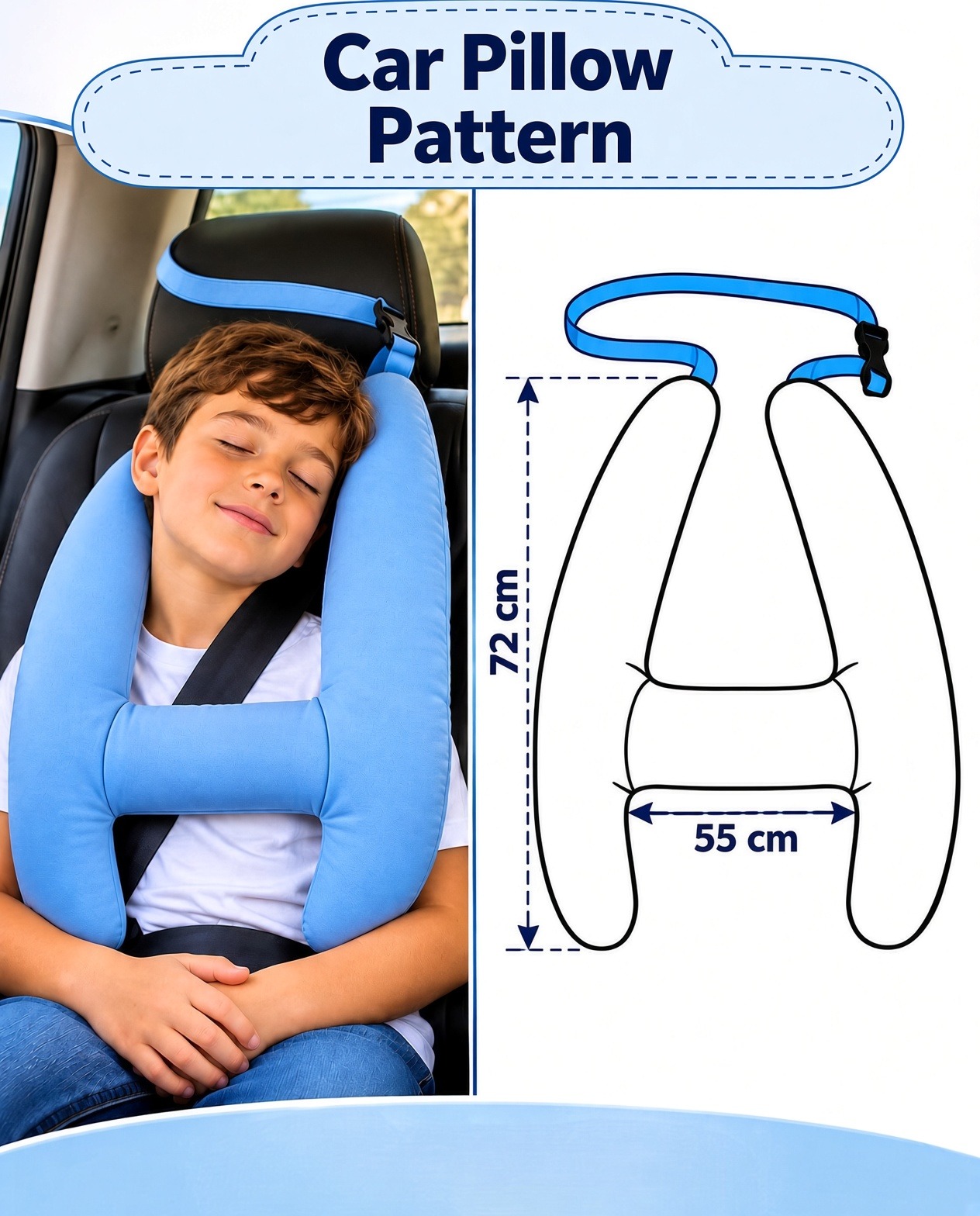
The most important part of this project is creating a balanced H-shaped outline. The design should provide enough room for the head while maintaining two supportive side sections.
Start by drawing the desired pillow shape on paper. Think of the design as two wider vertical sections connected by a narrower central bridge, forming the recognizable H silhouette.
A useful starting size for an adult travel pillow is approximately 14 inches wide and 10 inches tall. These measurements are only a guide and should be adjusted according to the intended user and preferred level of support.
Make the central opening and connecting section wide enough to accommodate the head comfortably. Rounded corners are generally easier to sew and can help prevent awkward points in the finished pillow.
Once the paper template is ready, place it on folded fabric with the grain direction in mind. Cut two matching pieces for the front and back, adding approximately ½ inch of seam allowance around the entire outline.
Transfer any important markings to the fabric using a removable fabric marker. These markings will help you maintain consistent alignment when sewing the curved areas.
Before sewing the final pillow, place the two pieces together with their right sides facing inward. Secure the layers with pins or clips, paying particular attention to the corners and narrow connecting sections.
Sewing, Filling, and Adding Comfort Features
With the fabric pieces prepared, sew around the outline using a consistent seam allowance. Leave an opening of approximately 3 to 4 inches in a straight section so the pillow can be turned right side out and filled.
At inward corners and tight curves, slow down and adjust the fabric carefully. Small, controlled stitches can help maintain a clean shape without stretching or bunching the material.
After sewing, trim excess fabric from the seam allowance where necessary. Clip carefully around curved sections, taking care not to cut through the stitching.
Turn the pillow right side out and gently shape the edges. Use a blunt tool to push out the corners without damaging the fabric.
For filling, polyester fiberfill is a popular choice because it is lightweight, washable when properly cared for, and easy to distribute. Add small amounts at a time instead of inserting a large quantity all at once.
Pay attention to the two side sections and the central connecting area. The filling should be distributed evenly so the pillow does not develop hard lumps or empty spaces.
Avoid overfilling the pillow because excessive stuffing can make it too firm and uncomfortable. A balanced amount of filling allows the pillow to retain its shape while remaining soft.
Once the desired firmness is achieved, close the opening with a ladder stitch or another neat hand-sewing technique. For a more professional finish, keep the stitches small and secure.
If you prefer a removable cover, create a separate inner pillow and sew an outer case with a zipper or another suitable closure. This makes cleaning easier and allows you to change the fabric whenever you want a different look.
Customizing, Finishing, and Caring for Your Travel Pillow
One of the best features of a Fabric H-Shaped Travel Pillow Pattern is how easily it can be personalized. You can choose prints that reflect your interests, coordinate the pillow with luggage, or create matching accessories for family trips.
Floral cotton prints, geometric patterns, animals, and minimalist solid colors are all attractive choices. For a more personalized project, consider adding a small embroidered name or decorative fabric panel.
You can also make different versions for different users. A smaller design may be suitable for children, while an adult version may need a wider shape and additional support.
If the pillow will be used frequently, prioritize washable materials and strong seams. Reinforce areas that may experience pressure during use, especially around the narrow central section.
A removable cover is particularly useful because travel accessories can collect dust and oils during everyday use. Wash the cover according to the fabric manufacturer’s instructions and allow it to dry completely before putting it back on the pillow.
Store the pillow in a clean travel bag when it is not being used. Avoid placing heavy objects on top of it for long periods, as this may flatten the filling and affect its shape.
Before using the finished pillow, check that the seams are secure and the filling is evenly distributed. Adjust the size and firmness if necessary to improve comfort.
Remember that an H-shaped pillow is a comfort accessory, not a medical support device. It should not restrict breathing or force the neck into an uncomfortable position. During travel, choose a position that feels natural and allows the head and neck to remain comfortable.
Frequently Asked Questions
What is the best fabric for an H-shaped travel pillow?
Cotton, flannel, fleece, and minky are popular options. Cotton is breathable and easy to wash, while fleece and minky offer a softer, warmer surface.
How much fabric do I need?
Approximately ½ yard is a useful starting point for a compact adult pillow. The exact amount depends on the template dimensions, fabric width, and whether you are making a separate removable cover.
What filling should I use?
Polyester fiberfill is lightweight, affordable, and easy to shape. Choose a washable filling if the finished pillow will be used regularly.
Can beginners sew this travel pillow?
Yes. The project mainly involves cutting two matching shapes, sewing around the edges, turning the fabric, and adding filling. Curves and inward corners may require a little extra patience.
Can I make the pillow cover removable?
Yes. You can sew a separate cover with a zipper or another suitable closure. This makes washing and changing the appearance of the pillow much easier.
How do I prevent the pillow from becoming lumpy?
Add small amounts of fiberfill gradually and distribute them evenly throughout the pillow. Avoid compressing too much filling into one area.
Conclusion
A Fabric H-Shaped Travel Pillow Pattern is a useful and customizable sewing project that combines practical construction with everyday comfort. By selecting soft fabrics, creating a balanced template, and distributing the filling carefully, you can make a travel accessory suited to your preferences.
Try different fabric combinations, experiment with removable covers, and adjust the dimensions to create your own version. A handmade H-shaped pillow can also make a thoughtful gift for anyone who enjoys traveling with comfortable accessories.