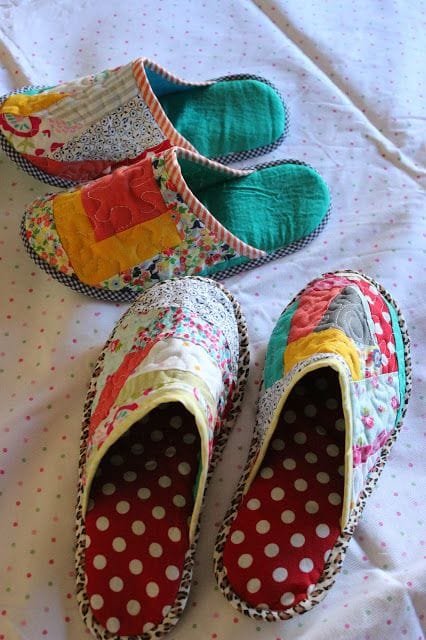
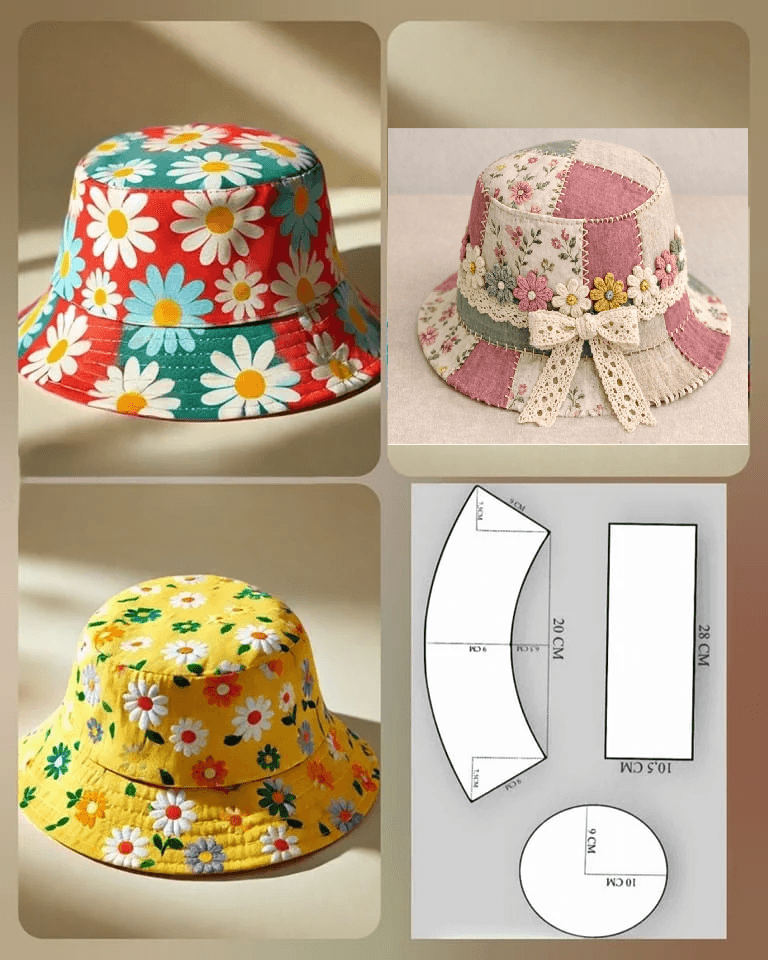
A Fabric Apron Pattern is a practical sewing project that combines creativity, functionality, and everyday comfort. Whether you need an apron for cooking, baking, gardening, crafting, or working in a sewing room, making your own design allows you to choose the perfect fabric, size, and details.
One of the best advantages of sewing an apron at home is the opportunity to personalize every part of it. You can use colorful cotton prints, classic denim, linen, canvas, or leftover quilting fabric to create a design that reflects your personality.
Whether you are a beginner or an experienced sewing enthusiast, this guide explains how to choose materials, prepare an apron pattern, sew the main pieces, and add useful details for a beautiful handmade result.
Choosing the Best Fabrics and Sewing Materials
Selecting the right fabric is essential for creating a comfortable and durable apron. Cotton fabric is one of the most popular choices because it is breathable, easy to sew, and available in countless colors and prints. Quilting cotton works especially well for decorative kitchen aprons and lightweight everyday designs.
For a heavier apron, consider denim or cotton canvas. These fabrics are more resistant to everyday wear and can be useful for gardening, workshop activities, and crafting. Linen is another attractive option, offering a natural texture and a lightweight feel, although it may wrinkle more easily.
You should also consider the fabric’s thickness and maintenance requirements. An apron used for cooking may need frequent washing, while one used for gardening or painting may benefit from a sturdier material. Prewashing cotton fabrics before cutting can help prevent unexpected shrinking after the finished apron is washed.
Useful supplies include matching thread, fabric scissors or a rotary cutter, measuring tape, pins or sewing clips, tailor’s chalk, and a sewing machine. Depending on your design, you may also need bias binding, interfacing, buttons, D-rings, or additional fabric for pockets and straps.
Measuring and Preparing Your Fabric Apron Pattern
Before cutting the fabric, decide what type of apron you want to make. A full-length apron provides more coverage for cooking and messy activities, while a half apron is convenient for gardening, serving, and light household tasks. The shape and measurements should reflect how you intend to use the finished piece.
For a basic full apron, measure the desired length from the chest to the knees or another comfortable point. Determine the width needed to cover the front of your body, allowing enough fabric to wrap slightly around the sides. For a half apron, measure around the waist and choose a length that provides sufficient coverage without interfering with movement.
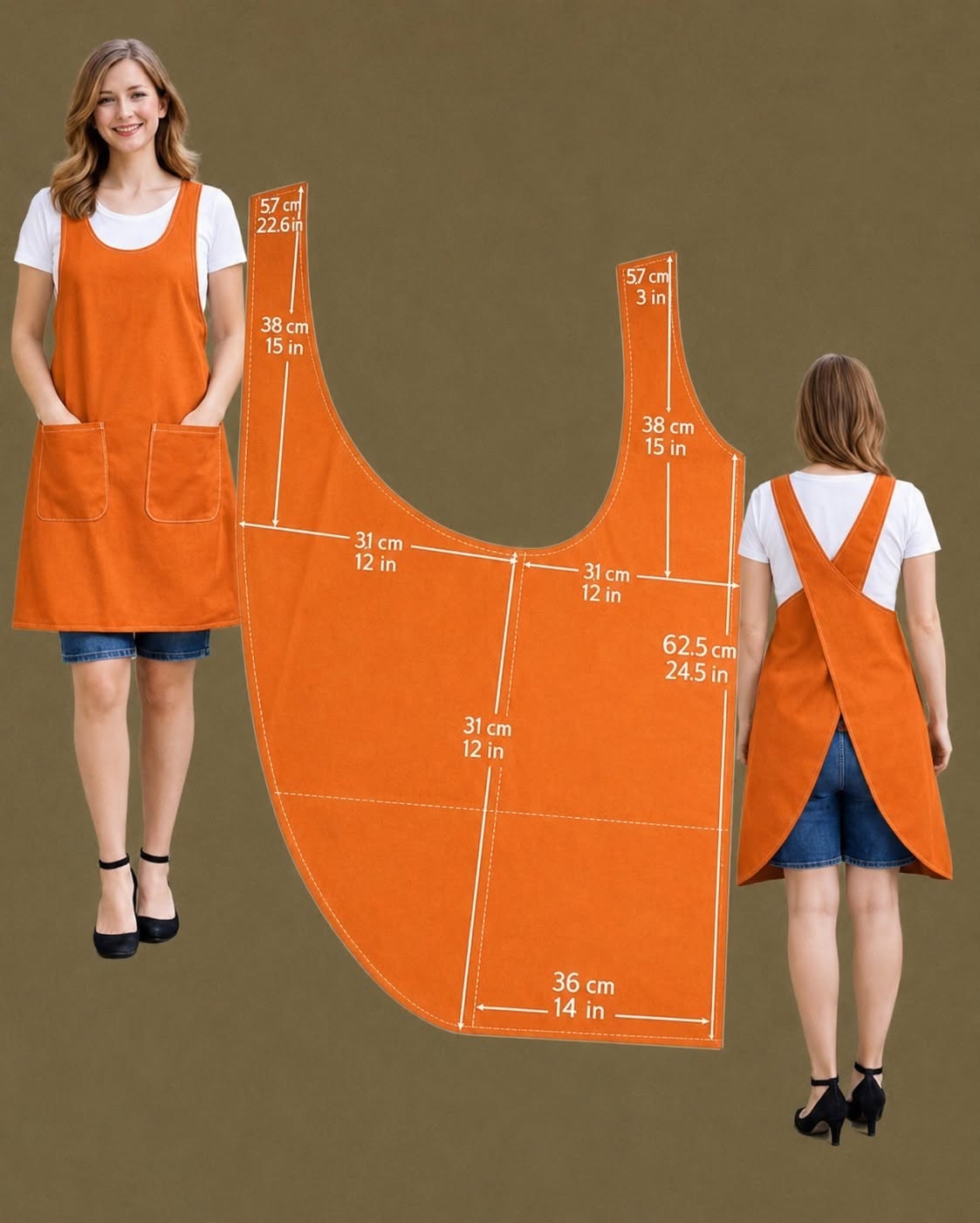
Draw the apron shape on paper before transferring it to the fabric. A simple design may include a rectangular lower section with rounded upper corners, a shaped bib, and separate straps. You can also create a single-piece body if you prefer a simpler construction.
Remember to include seam allowances around the edges. If you plan to add a pocket, prepare a separate rectangular or curved pattern piece and decide where it will sit before sewing the apron together. Creating a paper template first helps you check the proportions and avoid wasting fabric.
Sewing the Apron and Adding Practical Details
Once the pattern is ready, wash and iron the fabric if necessary, then place the template over it. Cut the main apron body, straps, and pocket pieces carefully. If you are using patterned fabric, consider how the print will appear on the finished garment, especially when adding a large front pocket.
Start by finishing the raw edges of the pocket. Fold the upper edge inward, press it, and stitch it securely. Fold the remaining edges toward the wrong side and position the pocket on the apron body. Sew along the sides and bottom, reinforcing the upper corners because these areas receive extra pulling.
Next, prepare the straps. Fold each fabric strip lengthwise with the right sides together, sew along the long edge, and turn it right side out. Press the straps flat and attach them securely to the apron. Depending on the design, you can use neck straps, waist ties, or adjustable hardware.
Finish the outer edges using a double-fold hem or bias binding. Sew slowly around curved sections to maintain an even finish. Reinforce the points where the straps connect to the apron, and inspect the seams to ensure there are no loose threads or unfinished edges.
Customization, Comfort, and Everyday Care
A handmade apron can be personalized with details that make it both attractive and useful. Large front pockets are excellent for holding small kitchen utensils, gardening supplies, or craft accessories. You can also divide a pocket into smaller sections for better organization.
Fabric combinations offer another way to create a unique design. Try a denim body with a floral pocket, a neutral linen apron with contrasting straps, or a colorful cotton design with a coordinated waistband. Decorative topstitching, patchwork, and simple fabric appliqués can add personality without making the project complicated.
Comfort is just as important as appearance. Make sure the waist ties are long enough to fasten comfortably and that the neck strap does not pull or rub. If you prefer an adjustable design, consider a suitable strap system that allows you to change the fit easily.
To maintain the apron, follow the care instructions for the chosen fabric. Remove stains promptly, wash according to the material’s requirements, and inspect the pockets and straps occasionally. Reinforce any loose seams before they become larger problems. If the apron is used around cooking equipment, keep loose ties and straps away from flames and hot surfaces.
Frequently Asked Questions
What is the best fabric for a homemade apron?
Cotton is an excellent choice for everyday kitchen aprons because it is breathable, easy to sew, and washable. Denim and canvas are better options when you need a heavier and more durable design.
Is a fabric apron suitable for beginners?
Yes. A basic apron is a beginner-friendly sewing project because it mainly involves cutting fabric, sewing straight seams, creating straps, and finishing edges. Adding pockets is a useful way to practice additional techniques.
How much fabric do I need to make an apron?
The amount depends on the apron style, size, and whether you are making pockets or contrasting straps. A full apron generally requires more fabric than a half apron, so preparing a paper pattern first helps estimate the material accurately.
Can I make an apron using old jeans?
Absolutely. Recycled denim is a great option for a sturdy apron. You can reuse large fabric sections, original pockets, and decorative seams to create a practical design with a unique appearance.
How do I make adjustable apron straps?
You can use D-rings, suitable buckles, or adjustable fabric straps. Make sure the hardware is securely attached and positioned so it does not create discomfort during use.
Should I add pockets to my apron?
Pockets are optional but very useful. They can hold cooking utensils, gardening tools, pens, or small craft supplies. Reinforce the upper corners to help prevent tearing.
How do I make my apron more durable?
Choose a suitable fabric, use strong thread, reinforce stress points, and finish the raw edges properly. Double stitching around pockets and strap attachments can also improve durability.
Can I make a reversible fabric apron?
Yes. You can sew two fabric layers together to create a reversible design. Choose coordinating materials and finish the edges neatly so the apron looks attractive from both sides.
Conclusion
A Fabric Apron Pattern is a rewarding sewing project that allows you to create a useful accessory for cooking, gardening, crafting, and everyday activities. With the right fabric, accurate measurements, secure straps, and practical pockets, you can make an apron that combines durability and personal style.
Experiment with different materials, colors, and pocket arrangements to create a design that suits your needs. Have you sewn your own apron before? Share your favorite fabric choices, sewing techniques, and creative ideas to inspire other sewing enthusiasts!