The Half-moon rug made from scraps – Best fabrics and materials to use is a practical and creative sewing project that transforms leftover fabric into a functional and decorative home item. This type of rug is especially popular among crafters who enjoy sustainable practices, as it allows you to reuse materials that might otherwise go to waste.
With its curved shape and patchwork style, the half-moon rug adds a cozy and handmade touch to any room. One of the greatest advantages of this project is its accessibility. You don’t need large pieces of fabric or expensive supplies to get started.
Instead, you can use fabric scraps collected from previous sewing projects. The Half-moon rug made from scraps – Best fabrics and materials to use is ideal for beginners looking to practice sewing skills, as well as experienced crafters who want to explore texture, color combinations, and creative layouts.
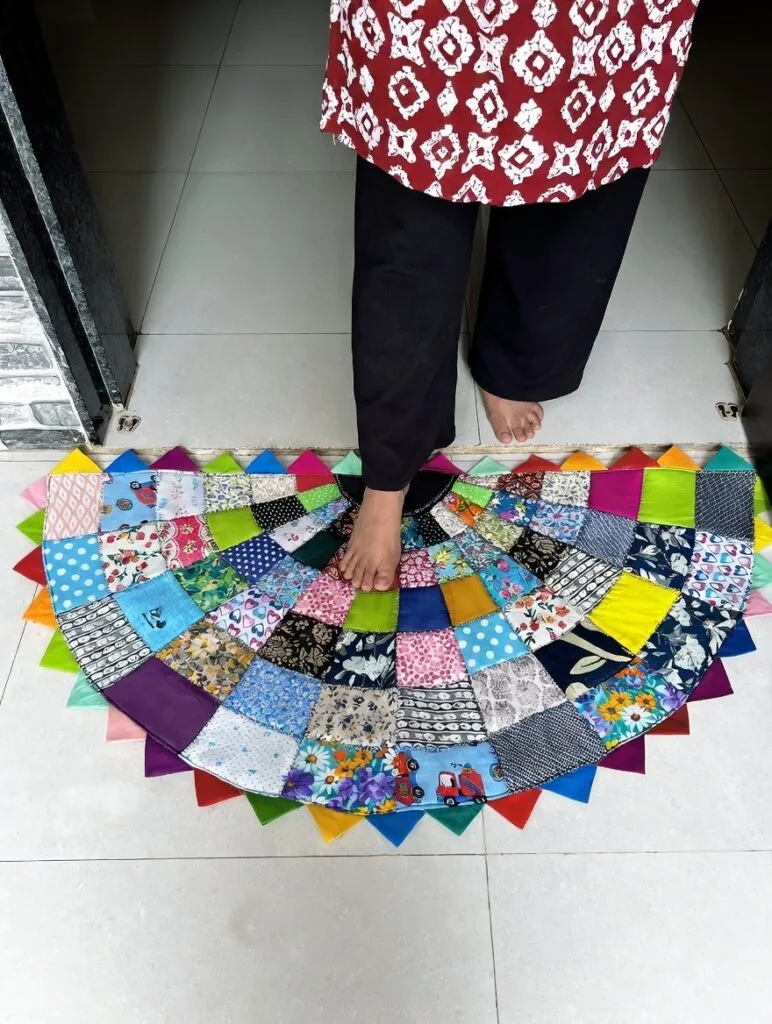
Another appealing aspect is its versatility. The rug can be used in entryways, kitchens, bathrooms, or even as a decorative accent in living spaces. By choosing the right fabrics and materials, you can ensure that your rug is not only attractive but also durable and long-lasting.
Why Fabric Choice Matters
When making a rug, fabric selection is one of the most important decisions. Unlike decorative sewing projects, rugs must withstand frequent use, foot traffic, and washing. This means that durability, texture, and thickness all play a crucial role.
Choosing the right fabrics ensures that your rug maintains its shape and appearance over time. It also affects how easy the rug is to sew and how comfortable it feels underfoot. The Half-moon rug made from scraps – Best fabrics and materials to use requires a balance between softness and strength, making fabric selection a key step in the process.
Best Fabrics to Use
Selecting the right fabrics will greatly influence the quality of your finished rug.
Cotton fabric is one of the most popular choices. It is easy to work with, widely available, and holds up well with regular use. Quilting cotton, in particular, is ideal for patchwork designs.
Denim is another excellent option. It is thick, durable, and perfect for rugs that need to handle heavy foot traffic. Using old jeans is also a great way to recycle materials.
Canvas provides a sturdy structure and adds extra durability. It works well as a base layer or backing fabric.
Linen blends can also be used, especially when combined with stronger fabrics. They add a natural texture and aesthetic appeal.
Mixing different fabrics can create interesting textures, but it is important to ensure they have similar weights to avoid uneven wear.
Materials Needed for the Project
In addition to fabric, several materials are essential for creating a high-quality rug.
Batting or interfacing is used to add thickness and stability. This helps the rug maintain its shape.
A non-slip backing is highly recommended, especially if the rug will be placed on smooth floors.
Strong thread is necessary to withstand tension and frequent use.
A rotary cutter, ruler, and cutting mat ensure accurate cutting.
Pins or clips help hold layers together during sewing.
A sewing machine is recommended for efficiency and stronger seams.
Using the right materials ensures that your Half-moon rug made from scraps – Best fabrics and materials to use is both durable and visually appealing.
Preparing Your Fabric Scraps
Before sewing, proper preparation of your fabric scraps is essential.
Start by sorting your scraps by color, pattern, and fabric type. This makes it easier to create a cohesive design.
Wash and iron all fabrics to prevent shrinkage and ensure clean, flat pieces.
Cut scraps into uniform shapes, such as squares or strips, to simplify assembly.
Planning your layout in advance helps you visualize the final design and avoid mistakes.
This preparation stage is key to achieving a polished result.
Step-by-Step Construction Overview
Creating a half-moon rug involves several stages, each contributing to the final structure.
First, sew your fabric scraps together to form a larger patchwork piece.
Next, cut the patchwork into a half-moon shape using a template or pattern.
Layer the patchwork top with batting and backing fabric.
Secure the layers using pins or clips, then sew around the edges.
Turn the rug right side out if necessary and press it flat.
Quilt the layers together to add strength and texture.
Finish by adding binding around the edges for a clean and durable finish.
Best Techniques for Durability
Because rugs are subject to wear and tear, using the right techniques is essential.
Reinforced stitching helps prevent seams from coming apart.
Quilting the layers adds stability and keeps the batting in place.
Using thick thread increases strength and longevity.
Double stitching high-stress areas ensures the rug holds up over time.
Proper edge finishing prevents fraying and gives a professional look.
Applying these techniques ensures your rug is both functional and long-lasting.
Design and Color Tips
The design of your rug can be as simple or complex as you like.
Using a consistent color palette creates a harmonious look.
Mixing patterns adds visual interest and personality.
Arranging darker fabrics in high-traffic areas can help hide wear.
Creating a gradient effect with your scraps adds depth to the design.
Experimenting with layout allows you to develop your own unique style.
Common Mistakes to Avoid
Avoiding common mistakes can save time and improve your results.
Using fabrics of very different weights can cause uneven wear.
Skipping fabric preparation may lead to shrinkage or distortion.
Not securing layers properly can result in shifting during sewing.
Ignoring seam allowances can affect the final shape.
Using weak thread may reduce durability.
Being mindful of these issues helps ensure a successful project.
Creative Uses for a Half-Moon Rug
The half-moon shape makes this rug especially versatile.
It works well as a doormat or entryway rug.
It can be placed in front of sinks or kitchen counters.
It is ideal for small spaces or corners.
It can also be used as a decorative accent piece.
This flexibility makes the project both practical and creative.
The Half-moon rug made from scraps – Best fabrics and materials to use is a rewarding and eco-friendly sewing project that combines creativity with functionality. By choosing the right fabrics and materials, you can create a durable rug that enhances your home décor.
From selecting strong fabrics like cotton and denim to applying proper sewing techniques, every step contributes to a high-quality result. This project not only helps reduce fabric waste but also allows you to express your creativity through color and design.
With careful planning, attention to detail, and the right materials, your half-moon rug can become a beautiful and long-lasting handmade piece that adds warmth and character to any space.