How to make a Folded fabric eggs Pattern is a delightful sewing project that combines creativity, texture, and seasonal charm into one beautiful handmade decoration.
Learning how to make a Folded fabric eggs Pattern allows you to transform simple fabric scraps into dimensional, eye-catching ornaments that are perfect for spring décor, festive displays, or thoughtful handmade gifts.
This project is beginner-friendly yet visually impressive, making it a favorite among crafters who enjoy working with fabric in unique ways.
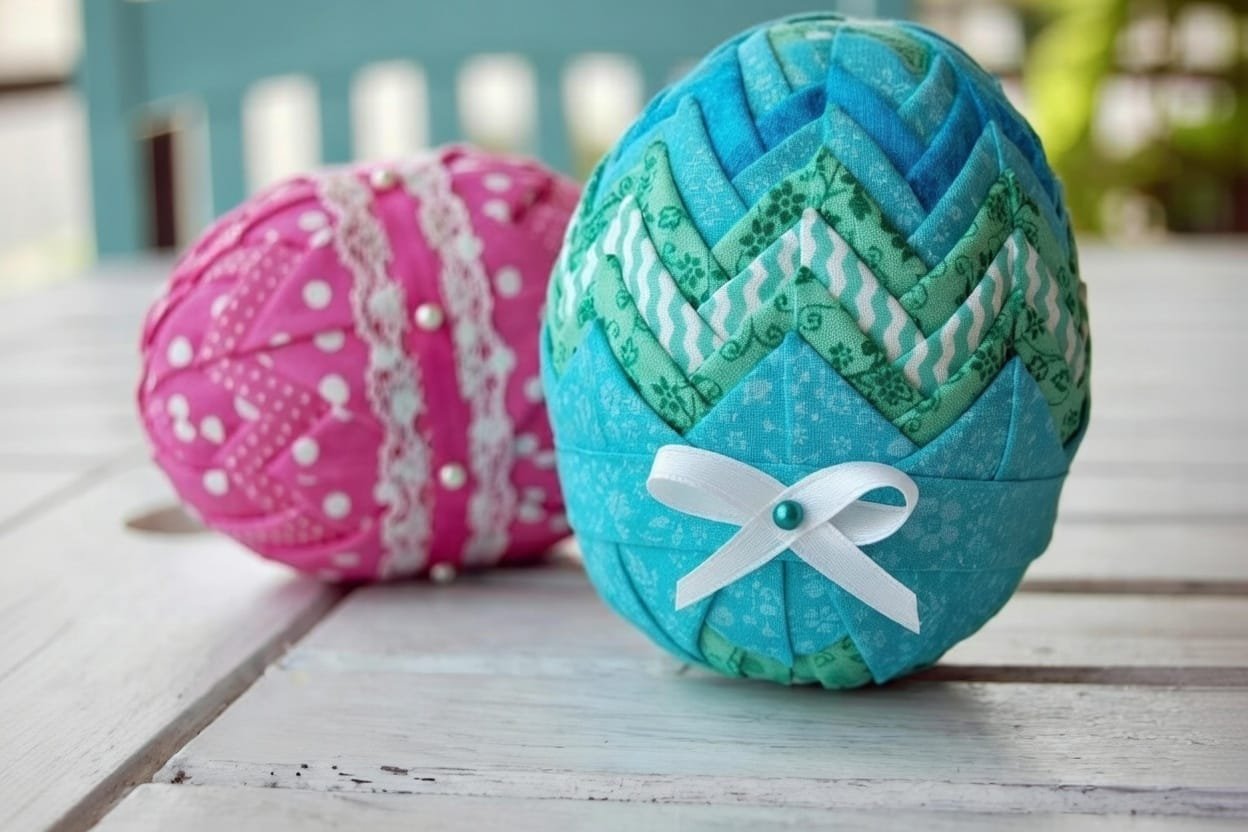
The beauty of a Folded fabric eggs Pattern lies in its layered design. Instead of traditional sewing methods that require complex stitching, this technique focuses on folding and pinning fabric pieces onto a foam egg base.
The result is a textured, patchwork-inspired egg that looks intricate but is surprisingly simple to create. Because it doesn’t require advanced sewing skills, it’s an accessible craft for many skill levels.
Another reason why people love learning how to make a Folded fabric eggs Pattern is the opportunity to experiment with colors, prints, and fabric combinations. From soft pastels to bold florals, each egg becomes a unique decorative piece. In this complete guide, you’ll discover the materials needed, step-by-step instructions, helpful tips for precision, creative variations, and answers to frequently asked questions.
Materials Needed for a Folded Fabric Eggs Pattern
Before starting how to make a Folded fabric eggs Pattern, gathering the right materials ensures a smooth crafting experience. Fortunately, the supplies are simple and easy to find.
The most important item is a foam egg base. Styrofoam or craft foam eggs work best because they allow pins to be inserted securely. Choose the size depending on whether you want small ornaments or larger decorative pieces.
Next, select cotton fabric scraps. Lightweight quilting cotton is ideal because it folds neatly and holds shape without bulk. Choose coordinating prints and colors to create a balanced, visually appealing design.
You will need straight pins with flat or decorative heads. These pins secure folded fabric pieces to the foam egg and become part of the decorative finish.
Sharp fabric scissors are essential for cutting precise squares or rectangles. Consistent fabric sizing helps maintain symmetry throughout the egg.
Optional materials include ribbon for hanging loops, decorative trims, or small embellishments. With these supplies ready, you can confidently begin learning how to make a Folded fabric eggs Pattern.
Step-by-Step Instructions on How to Make a Folded Fabric Eggs Pattern
Understanding the process is key when learning how to make a Folded fabric eggs Pattern. The technique focuses more on folding and layering than traditional stitching.
Begin by cutting your fabric into uniform squares, typically 2 to 3 inches depending on egg size. Precision in cutting ensures even layering across the egg surface.
Take one fabric square and fold it in half to create a triangle. Then fold it again to form a smaller triangle with layered edges.
Position the folded triangle onto the foam egg, aligning the folded point toward the top or bottom center. Secure it with two or three straight pins placed along the outer edges.
Repeat this process, layering folded triangles side by side to form a circular row. Make sure edges align evenly for a clean, symmetrical look.
Continue adding rows of folded fabric, slightly overlapping the previous layer. This creates the dimensional, textured effect that defines the Folded fabric eggs Pattern.
Once the entire egg is covered, add ribbon or trim at the top for hanging. Secure firmly with pins or glue for durability.
Tips for a Clean and Balanced Folded Fabric Eggs Pattern
When mastering how to make a Folded fabric eggs Pattern, attention to detail ensures a polished final result.
Always measure and cut fabric squares evenly. Irregular pieces can cause uneven layering and disrupt symmetry.
Use consistent folding techniques for each piece. Keeping folds tight and crisp helps maintain a uniform appearance.
Work in balanced sections around the egg. Complete one circular row at a time before moving upward or downward.
Alternate fabric prints thoughtfully. Placing contrasting colors next to each other enhances visual depth and highlights the layered design.
Keep pins evenly spaced. Decorative pinheads can add sparkle and style while securing fabric securely.
Take your time when placing the final row. This area is most visible and benefits from careful alignment and finishing.
Creative Variations of a Folded Fabric Eggs Pattern
Once you understand how to make a Folded fabric eggs Pattern, you can explore creative variations to suit different occasions and themes.
Pastel fabrics create a soft spring-inspired collection. Light pinks, baby blues, and mint greens give a gentle seasonal feel.
Floral prints add a garden-inspired touch. Mixing small-scale and large-scale prints creates dynamic texture.
For holiday décor, choose themed fabrics such as bright patterns or metallic accents while maintaining the same folding technique.
Add lace or ribbon trim between rows for extra elegance. This enhances the decorative appeal without overwhelming the design.
You can also create miniature eggs for tabletop displays or larger statement pieces for centerpieces.
Personalize each egg with small tags or embroidered initials for thoughtful handmade gifts.
FAQ About How to Make a Folded Fabric Eggs Pattern
Is this project beginner-friendly?
Yes, it requires no advanced sewing skills and focuses mainly on folding and pinning.
Do I need to sew anything?
No traditional sewing is required unless you choose to add decorative stitched details.
What type of fabric works best?
Lightweight cotton fabric is ideal because it folds easily and maintains structure.
How long does it take to complete one egg?
Depending on size, it typically takes one to two hours.
Can children participate in this craft?
With supervision due to pins, older children can safely assist in folding and arranging fabric.
How do I store finished eggs?
Store them in a dry container to prevent dust and protect pins from loosening.
Conclusion
Learning how to make a Folded fabric eggs Pattern is a rewarding craft that combines texture, color, and creativity into one charming decorative piece. By carefully folding fabric squares and layering them onto a foam base, you can create a stunning handmade ornament without complex sewing techniques.
The Folded fabric eggs Pattern offers endless customization options, making it perfect for seasonal décor, gifts, or personal collections. With patience, precision, and thoughtful color choices, your finished eggs can become beautiful keepsakes.
If you found this guide helpful, please share your honest opinion and suggestions. Your feedback encourages continued creativity and supports future crafting tutorials.
Creating a Folded fabric eggs Pattern is also a wonderful way to repurpose fabric scraps from previous sewing projects. Instead of discarding leftover materials, you can transform them into decorative pieces filled with texture and personality. This sustainable approach not only reduces waste but also allows each egg to carry a bit of history from other handmade creations.
VIDEO TUTORIAL
As you continue practicing how to make a Folded fabric eggs Pattern, you will likely develop your own folding rhythm and design preferences. Over time, your precision and creativity will naturally improve, resulting in even more refined and intricate designs. Each finished egg becomes a reflection of your craftsmanship and attention to detail, making the process just as rewarding as the final result, thank you very much.