The Storm at Sea Quilt Pattern is one of the most intriguing and visually captivating quilt designs ever created. Its powerful optical illusion effect makes the quilt appear full of curves and motion, even though it is constructed entirely from straight seams.
This blend of geometry and artistry has made the Storm at Sea Quilt Pattern a timeless favorite among quilters who appreciate projects that feel both classic and dramatic.
From the moment you begin working with this pattern, you can sense its depth, rhythm, and emotional storytelling, which has kept it relevant for generations.
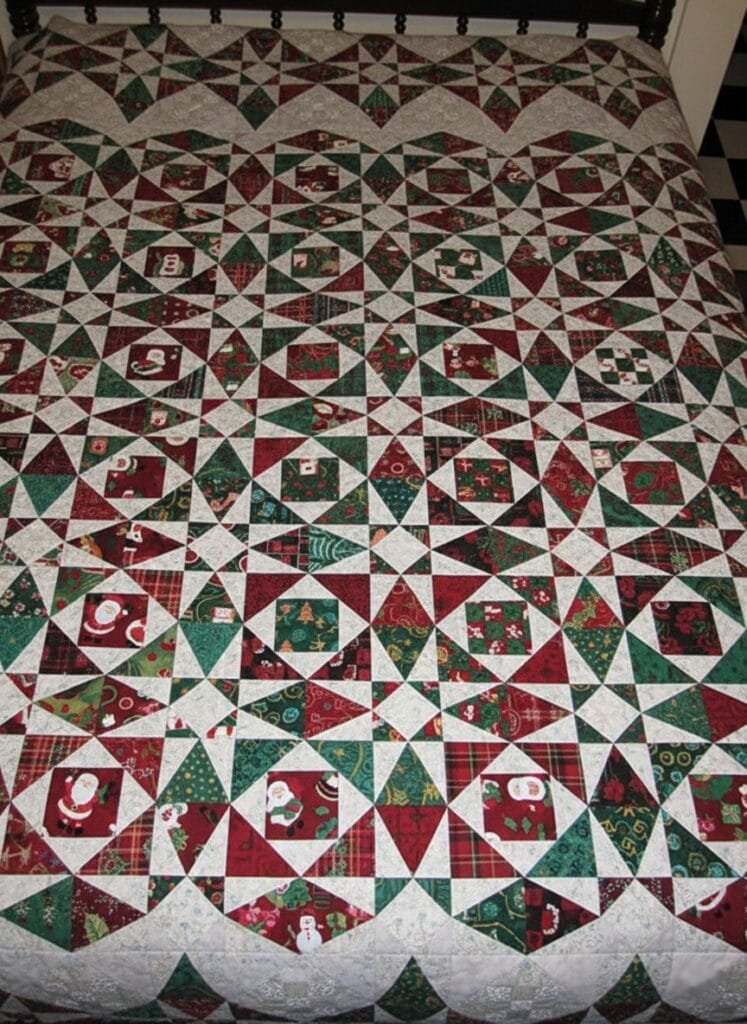
Creating a quilt using the Storm at Sea Quilt Pattern may seem intimidating at first, especially because the final result looks so complex. However, the design is actually composed of simple squares, rectangles, and triangles arranged in a smart and strategic layout.
With patience, consistent seam allowance, and careful color planning, any dedicated quilter can achieve a stunning piece. The magical illusion of rolling waves or swirling movement comes entirely from the contrast between the dark, medium, and light fabrics. This makes color selection one of the most exciting parts of the process.
Many quilters love the Storm at Sea Quilt Pattern because it can be adapted to almost any style. Whether you want a nautical theme using shades of blue, a contemporary look using bold modern colors, or a gentle, peaceful quilt made from soft neutrals, the pattern responds beautifully. Each version tells a different story. The versatility of this design makes it perfect for bed quilts, wall hangings, gifts, and heirloom pieces. As you explore the pattern, you discover not only how beautiful it is, but how much creativity it allows in every step.
Understanding the Structure of the Storm at Sea Pattern
The Storm at Sea Quilt Pattern is famous for its clever construction, which uses straight piecing to create the illusion of curves. This effect comes from the combination of square-in-square blocks, diamond blocks, and rectangular units. Each block interacts with the others, guiding the viewer’s eye through the quilt and creating waves that appear to move naturally across the surface. Understanding how these elements fit together helps quilters appreciate the sophistication of the design.
Color placement is one of the primary ways to shape the illusion in the Storm at Sea pattern. Choosing three to five tones—usually categorized as dark, medium, and light—creates dimensional flow. By grouping certain values together, you can emphasize diamonds, create circular effects, or deepen the appearance of motion. The pattern’s beauty lies in its ability to transform completely depending on how these colors interact.
The Storm at Sea design is flexible when it comes to scale. Quilters can create tiny, detailed blocks for intricate wall hangings or large, bold blocks for bed-sized quilts. Adjusting the size of the pieces does not compromise the illusion. Instead, it gives quilters freedom to tailor the project to their skill level and available time. Larger blocks are easier for beginners, while smaller blocks allow advanced quilters to refine their precision.
One appeal of this pattern is how it trains quilters to improve accuracy. Because the layout depends on symmetry and alignment, small inconsistencies become noticeable. This encourages quilters to practice accurate cutting, careful pressing, and mindful seam allowances. Learning these skills not only improves the Storm at Sea quilt but also strengthens abilities for future projects.
Customization is another compelling feature of the pattern. Some quilters swap the traditional layout for alternative block arrangements, turning waves into circles or linear pathways. Others incorporate borders filled with triangles or diamonds to extend the visual illusion. With so many structural possibilities, the quilt can be simple or architecturally complex based on the maker’s vision.
Finally, understanding the structure of the Storm at Sea pattern helps quilters approach construction confidently. Once the relationship between shapes becomes clear, the project becomes less intimidating and much more enjoyable. The pattern rewards patience, attention to detail, and thoughtful design—making it a meaningful experience for quilters of all levels.
Choosing Fabrics and Materials for a Successful Quilt
Selecting the right fabric is essential for a strong Storm at Sea Quilt Pattern. High-quality quilting cotton works best because it holds its shape and resists stretching. The crispness of the fabric ensures clean lines, which are crucial for maintaining the pattern’s visual clarity. Solid colors, tone-on-tones, and small-scale prints are ideal because they emphasize shapes rather than distract from them.
When choosing colors, think in terms of value rather than hue. Light, medium, and dark shades must contrast effectively to create the illusion of movement. Many quilters prefer ocean-inspired blues, teals, and whites, but warm tones such as reds, golds, and browns can create a fiery, sunset-like effect. Modern quilters also enjoy experimenting with rainbow gradients or monochromatic palettes for unique results.
Accurate cutting tools are indispensable. A sharp rotary cutter, a sturdy cutting mat, and clear quilting rulers will help ensure precision. Some quilters use specialty rulers designed for half-square triangles or diamond shapes to speed up the cutting process. These tools help maintain consistent angles, reducing frustration during assembly.
Good thread is important for piecing the blocks. A fine-quality cotton or polyester thread will produce strong seams without bulk. The consistency of your ¼-inch seam allowance is crucial for the Storm at Sea pattern, so using a quarter-inch presser foot on your sewing machine improves accuracy significantly. Proper pressing also matters—pressing seams open or to one side should be done carefully to avoid distortion.
Marking tools are often overlooked but incredibly helpful. Fabric-safe pens, chalk pencils, or removable markers help you label pieces and guide seam lines. These markings make a big difference when assembling the more complex units of the quilt, ensuring that everything fits together perfectly.
In addition to fabrics and tools, you’ll need batting and backing fabric for finishing the quilt. Low or medium-loft batting works best for highlighting the clean edges of the pattern. For backing, choose a coordinating fabric that complements the front without drawing attention away from the design. Once all these materials are ready, you can begin assembling your quilt top.
Cutting, Piecing, and Assembling the Quilt Top
The cutting process sets the foundation for the entire Storm at Sea Quilt Pattern, so taking your time is essential. Begin by cutting all squares, rectangles, and triangles according to the measurements of the block size you’ve chosen. Labeling each stack of pieces helps keep your workspace organized and reduces mistakes later in the process.
Start piecing the square-in-square units, as these are central to the pattern. Careful alignment is important to ensure sharp points and accurate angles. Pressing after each seam helps maintain clean lines and prevents bulk. Whether you press seams open or to one side depends on your preference, but consistency is key.
Next, assemble the rectangular and triangular units that will form the diamond shapes. Squaring up each block before joining them ensures the quilt top will lie flat. Using a design wall or large table to lay out your blocks helps visualize the flow of color and confirm that the illusion is developing correctly. This stage is often where quilters make small adjustments that significantly enhance the final result.
Sew the blocks together row by row, checking alignment regularly. The Storm at Sea pattern relies on symmetry, so keeping each point and seam precise will maintain the optical effect. Pinning pieces before sewing helps reduce shifting, especially if you’re working with bias edges.
After assembling the rows, carefully join them to complete the quilt top. A final press across the entire surface smooths the fabric and prepares it for quilting. Taking time to trim uneven edges ensures the top is square and ready for the next stage of the project.
Completing the quilt top marks an exciting milestone. The quilt now shows its full design, and you can clearly see the movement and illusion the pattern is known for. The next steps will bring texture, depth, and final beauty to your creation.
Quilting and Finishing Your Storm at Sea Quilt
Quilting adds dimension and personality to the Storm at Sea Quilt Pattern. Many quilters choose designs that mimic the flow of water, such as wave-like lines or gentle swirls. These shapes enhance the illusion of movement while adding softness to the structured geometric pattern. Free-motion quilting is a popular choice for this, offering freedom and creative control.
For beginners or those using a domestic machine, straight-line quilting is a practical and attractive option. Stitching in the ditch or echoing the edges of the blocks emphasizes the structure of the pattern while keeping the quilting simple. These clean lines can give the quilt a modern aesthetic while highlighting the precision of the piecing.
Before quilting, prepare your quilt sandwich using the backing fabric, batting, and quilt top. Smooth out any wrinkles and baste the layers securely using pins, basting spray, or thread basting. Proper basting prevents the layers from shifting during quilting, which is especially important for maintaining the crisp appearance of the illusion.
Start quilting from the center and work outward. This technique helps distribute tension and prevents puckering. A walking foot or free-motion quilting foot can greatly improve control during quilting. Take your time and enjoy the process—quilting is where the quilt truly comes to life.
Once the quilting is complete, it’s time to attach the binding. Choose a binding color that frames the quilt without overpowering the design. Dark binding gives a dramatic border, while light binding blends into the edges naturally. Sewing the binding evenly ensures a polished, professional finish.
The final step is to inspect your quilt, trim loose threads, and press it gently. Your Storm at Sea quilt is now complete—a beautiful and timeless work of art. Whether you display it, gift it, or use it daily, it will always draw attention and admiration for its elegance and craftsmanship.
FAQ About the Storm at Sea Quilt Pattern
Is the Storm at Sea pattern difficult for beginners?
It can be challenging but manageable with patience. Accurate cutting and consistent seam allowance make the process easier.
What colors work best for this pattern?
High-contrast combinations create the strongest illusion. Blues are traditional, but any palette that varies in value works beautifully.
Do I need special rulers to make this quilt?
No, but triangle and diamond rulers help with precision and speed.
What size should I make my blocks?
Larger blocks suit beginners, while smaller blocks create detailed illusions for advanced quilters.
Can I make this pattern scrappy?
Yes, as long as you maintain contrast between light, medium, and dark values.
What quilting style looks best on Storm at Sea?
Wave-like free-motion quilting or clean straight-line quilting both enhance the design effectively.
Conclusion
The Storm at Sea Quilt Pattern is a masterpiece of geometry, illusion, and creativity. Throughout this guide, you’ve learned how the pattern works, how to choose fabrics, how to cut and assemble the blocks, and how to quilt and finish your project. This quilt offers endless opportunities for personalization and growth, making it a rewarding project for quilters of all skill levels.
VIDEO TUTORIAL
I hope this article has inspired you to create your own version of this timeless design. Please leave your honest opinion and share your suggestions—I love hearing your feedback!