The Granny Square Crochet Pattern is one of the most iconic and beloved designs in the crochet world. Known for its colorful, geometric style and timeless charm, this classic pattern has been passed down through generations of crafters.
This pattern stands out because it is both simple and versatile. Each small square can be completed quickly and joined together to form beautiful blankets, pillows, bags, clothing, and even wall art.
Learning how to make a Granny Square Crochet Pattern is also a wonderful introduction to basic crochet techniques. It teaches you essential stitches like chains, slip stitches, and double crochets while building your confidence in reading patterns and working in the round.
Understanding the Basics of the Granny Square Crochet Pattern
The foundation of the Granny Square Crochet Pattern begins with a simple circle that expands into a square. This transformation is made possible by strategically placing stitches and chain spaces that give the piece its balanced structure. The beauty of the granny square lies in its symmetry and rhythm — once you understand the pattern’s flow, you can crochet it almost effortlessly.
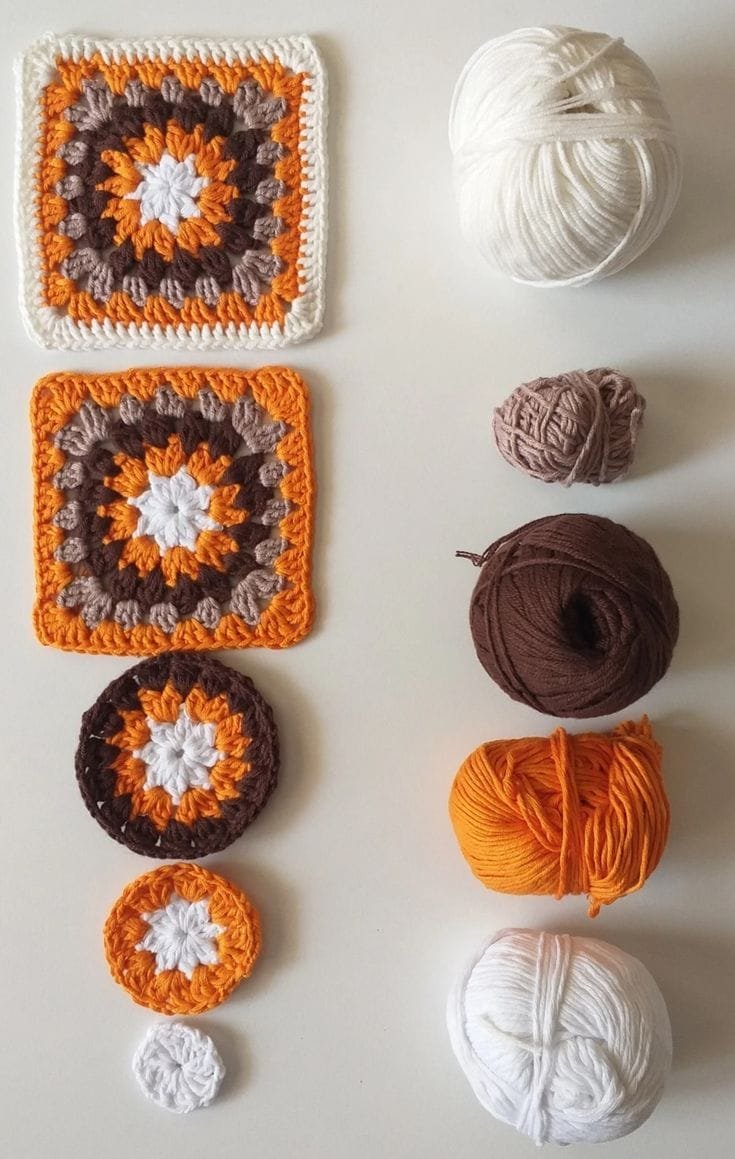
Traditionally, this pattern starts with a magic ring or a chain loop. From there, clusters of double crochet stitches form the iconic square shape. These clusters are separated by chain spaces, which create the neat corners that make the Granny Square Crochet Pattern recognizable at first glance.
Choosing the right yarn and hook size is essential. A medium-weight yarn (category 4) paired with a 4 mm or 5 mm hook works perfectly for most granny squares. However, the pattern’s flexibility allows for experimentation — thinner yarns create delicate motifs, while thicker yarns produce cozy, chunky designs.
Color is another key element. Many crocheters love using multiple shades to give their projects a lively, patchwork effect. You can use leftover yarns to make an eco-friendly blanket or stick with a coordinated palette for a modern look. Each square becomes a small canvas where you can express your artistic vision.
The Granny Square Crochet Pattern is ideal for practicing tension control. As each round builds upon the last, maintaining even tension ensures that the square lays flat and symmetrical. This skill will benefit you in every future crochet project.
Once you’ve completed your first square, you’ll realize how addictive it becomes. Most crocheters can’t stop at just one — soon, you’ll have a beautiful collection of squares ready to be joined into something special.
Creative Projects You Can Make with Granny Squares
One of the best things about the Granny Square Crochet Pattern is how adaptable it is. What starts as a small motif can turn into almost anything your imagination allows. From traditional blankets to trendy fashion items, granny squares have found their place in both classic and contemporary design.
A popular project is the Granny Square blanket. It’s perfect for beginners because each square is worked separately and then stitched together. You can play with colors and layouts, creating unique designs like checkerboards, stripes, or gradient effects.
Another creative idea is making a Granny Square bag. These stylish accessories are eco-friendly, durable, and fun to customize. You can line them with fabric, add handles, and even attach zippers for a polished finish. It’s an excellent way to showcase your crochet skills while creating something practical.
Clothing made with the Granny Square Crochet Pattern is also trending again. Sweaters, tops, vests, and skirts built from colorful squares bring a vintage-meets-modern aesthetic that fashion lovers adore. The lightweight texture makes these garments comfortable and breathable, suitable for all seasons.
Home décor projects are another fantastic option. From cushion covers to table runners and wall hangings, granny squares can transform any space with warmth and handmade charm. Mixing neutral and bright colors can help the pieces match any interior style.
Finally, smaller items like coasters, keychains, or bookmarks are perfect for using leftover yarn and practicing your technique. These mini projects are quick to complete and make thoughtful handmade gifts for friends and family.
Tips and Techniques for Perfect Granny Squares
Even though the Granny Square Crochet Pattern is simple, mastering a few tips will make your results look professional. The first secret is consistency. Always count your stitches carefully, especially when forming corners. Missing or adding a stitch can distort the square’s symmetry.
Tension control is another essential factor. Keep your yarn relaxed but steady — too tight, and your square will curl; too loose, and it may look uneven. With practice, you’ll find your rhythm and produce perfectly flat, balanced squares every time.
Using stitch markers can be a lifesaver, especially when working in rounds. They help you identify where each round begins and ends, preventing confusion when adding new colors or joining stitches.
When changing colors, always finish the last stitch before introducing a new shade. This technique creates clean transitions and prevents loose ends from unraveling. Weaving in ends neatly at the back ensures your Granny Square Crochet Pattern looks flawless on both sides.
Blocking your squares after finishing is another professional touch. Lightly dampen each square, shape it with pins on a flat surface, and let it dry. This process helps even out the edges and gives your project a neat, polished look.
Lastly, joining your squares can be done in several ways — whip stitch, slip stitch, or continuous join methods. Experiment with each to find the style you prefer. The joining technique often determines the final look and texture of your finished piece.
Why the Granny Square Crochet Pattern Stands the Test of Time
The Granny Square Crochet Pattern has been around for over a century, yet it never goes out of style. Its enduring appeal lies in its simplicity, versatility, and nostalgic beauty. Every crocheter, regardless of skill level, can find joy and creativity in making these squares.
Culturally, granny squares have become symbols of comfort and craftsmanship. They connect generations — many people recall seeing their grandmothers working on colorful blankets, and now they continue that legacy. It’s more than just a craft; it’s a shared tradition of patience, love, and creativity.
Modern crafters have reimagined this classic pattern in fresh, innovative ways. Today’s designers mix minimalist color palettes, asymmetrical layouts, and contemporary yarns to bring a modern twist to the vintage design. The Granny Square Crochet Pattern now appears in fashion shows, home décor magazines, and social media trends worldwide.
Another reason for its timeless popularity is sustainability. Crochet projects often use leftover yarn, promoting an eco-friendly mindset. The ability to repurpose small scraps into something beautiful aligns perfectly with modern values of recycling and mindful crafting.
The meditative rhythm of crocheting granny squares also provides mental relaxation. Many people find the repetitive motion calming, helping reduce stress and increase focus. Crafting becomes not only a creative outlet but also a form of self-care.
Ultimately, the Granny Square Crochet Pattern stands as proof that simplicity can be endlessly inspiring. With just a hook, yarn, and a bit of imagination, you can create something truly meaningful that lasts for years.
FAQ – Common Questions About Granny Square Crochet Pattern
1. What is the easiest way to start a Granny Square Crochet Pattern?
Begin with a magic ring or chain loop, then make your first round using double crochet clusters. Follow a simple pattern until you memorize the structure.
2. What type of yarn works best for granny squares?
Medium-weight acrylic or cotton yarns are most popular because they’re durable, colorful, and easy to work with.
3. Can beginners learn the Granny Square Crochet Pattern easily?
Absolutely! It’s one of the most beginner-friendly crochet projects. Once you master the basic stitches, the rest comes naturally.
4. How do I join multiple granny squares together?
You can use slip stitch, whip stitch, or continuous join techniques. Choose based on the texture and look you prefer.
5. Why do my granny squares curl or twist?
Usually, it’s a tension issue or an incorrect stitch count. Try loosening your yarn tension and double-checking each corner.
6. How do I make sure all my squares are the same size?
Use the same yarn weight, hook size, and stitch count for each square. Blocking them after finishing also helps maintain uniformity.
7. Can I wash my granny square items in a machine?
Yes, if the yarn label says it’s machine-washable. Always use gentle cycles and cold water to protect the fibers.
8. How many granny squares do I need for a blanket?
It depends on your desired size. Typically, a throw blanket requires between 40 and 80 squares, depending on their dimensions.
Conclusion
The Granny Square Crochet Pattern is more than just a craft — it’s an art form that celebrates creativity, patience, and connection. From simple squares to intricate compositions, every piece reflects your personal touch and dedication. With the right materials, color combinations, and care, your creations will bring beauty and warmth to any space.