The Double PinWheel Quilt Block is a captivating and timeless design that continues to inspire quilters of all levels. Its unique spinning motion and visual balance make it a popular choice for both beginners and experienced quilting enthusiasts.
At its core, the Double PinWheel Quilt Block features a dynamic composition of two interlocking pinwheels, creating the illusion of movement and depth. Each section spins in harmony, forming a balanced and eye-catching design that draws the viewer’s attention.
Before diving into the process of creating this quilt block, it’s important to understand the essence of what makes it so special. The combination of two rotating patterns symbolizes harmony, balance, and creative motion — qualities that every quilter values.
Understanding the Double PinWheel Design
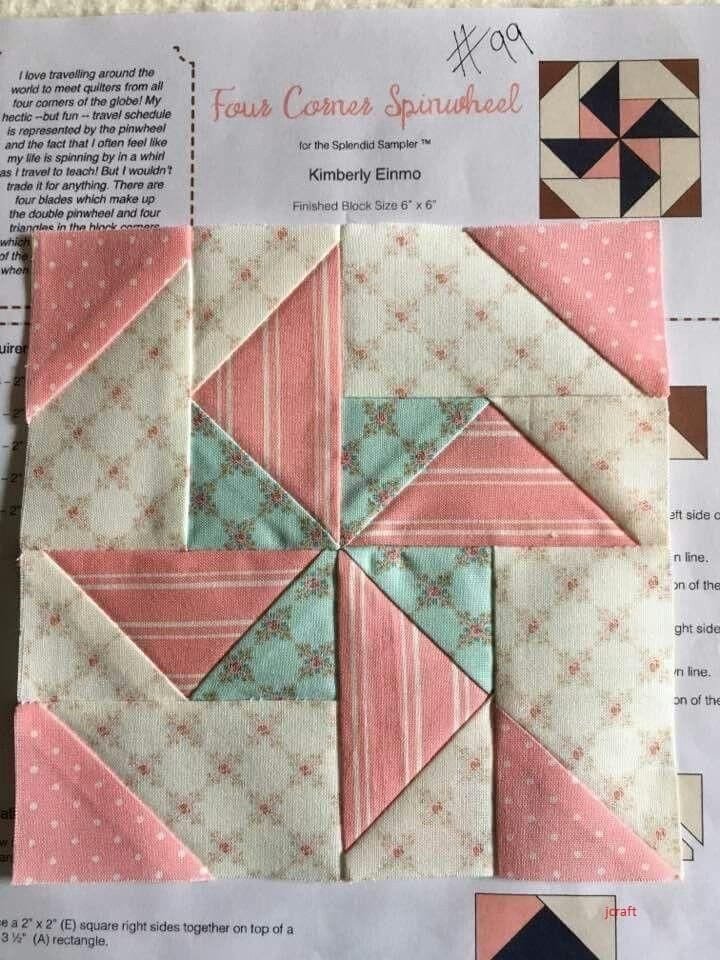
The beauty of the Double PinWheel Quilt Block lies in its structure and balance. It consists of two pinwheel shapes, one slightly overlapping the other, creating a sense of motion and depth. This overlapping effect gives the illusion that the quilt is alive with energy. For those new to quilting, understanding the geometry of this block is essential before attempting to piece it together.
When designing your Double PinWheel Quilt Block, symmetry plays a major role. Each of the smaller triangles forms part of a larger spinning pattern, which must align precisely to achieve the visual effect. A well-cut and accurately sewn piece ensures that the final block looks cohesive and polished. Using a rotary cutter and ruler helps maintain precision and sharpness in each piece.
Another key aspect of this design is color contrast. A strong contrast between light and dark fabrics enhances the spinning effect, while similar tones create a softer, more subtle motion. For a classic look, try using a light background with vibrant central pinwheels. For a modern touch, experiment with bright geometric prints or textured fabrics that add dimension.
The Double PinWheel Quilt Block also encourages creativity in layout. Multiple blocks can be arranged in different orientations to create larger quilt tops with varying effects. You can alternate directions to produce a checkerboard appearance or align them uniformly for a continuous spinning pattern. Each arrangement tells a different visual story.
Beyond aesthetics, this design teaches quilters valuable techniques such as half-square triangles (HSTs), color placement, and seam alignment. Mastering these skills through the Double PinWheel design prepares you for more advanced quilting projects in the future. Every quilter who learns this block gains not only a new pattern but also a deeper understanding of the art itself.
Lastly, remember that quilting is about patience and enjoyment. Don’t rush the process. Each block you create contributes to your growth as a quilter, and every stitch reflects your dedication to the craft. With time and practice, the Double PinWheel Quilt Block will become a favorite addition to your repertoire.
Materials and Preparation
To bring your Double PinWheel Quilt Block to life, you’ll need a few essential materials. Having the right tools ensures accuracy and a more enjoyable experience. Start with high-quality cotton fabric in two or more contrasting colors. Cotton works best because it’s easy to cut, press, and sew, maintaining shape throughout the quilting process.
You’ll also need a rotary cutter, cutting mat, and a clear quilting ruler for precise measurements. These tools help you cut perfect squares and triangles, which are vital for aligning the pinwheels. A sewing machine with a reliable quarter-inch seam foot will help maintain consistent seam allowances, ensuring your block stays symmetrical.
Before cutting, wash and press your fabric. This step removes any factory chemicals and pre-shrinks the material, preventing distortion after assembly. Ironing your fabric flat also ensures accurate cutting and cleaner seams, which is crucial for a well-defined pinwheel pattern.
When planning the size of your Double PinWheel Quilt Block, decide how large you want the finished quilt to be. The block can be easily scaled up or down by adjusting the size of your squares and triangles. Common sizes include 6-inch, 8-inch, and 12-inch blocks, depending on your project.
Fabric selection is another important step. Consider a combination of solid and patterned fabrics. Solids will highlight the pinwheel shape, while prints can add texture and personality. For a harmonious design, balance busy prints with calmer, neutral tones.
Finally, prepare your workspace. Ensure you have adequate lighting, space for cutting, and a pressing area nearby. Having everything within reach makes your quilting process smooth and enjoyable. Proper preparation sets the foundation for a beautiful Double PinWheel Quilt Block that you’ll be proud of.
Step-by-Step Assembly Process
Creating the Double PinWheel Quilt Block involves precision and patience, but the results are worth every stitch. Start by cutting your fabric into the required squares. For each block, you’ll typically need eight squares of equal size — four from your light fabric and four from your dark or contrasting fabric.
Next, use the half-square triangle (HST) method to create the pinwheel components. Pair one light and one dark square, place them right sides together, and draw a diagonal line from corner to corner. Sew a quarter-inch seam on both sides of this line, then cut along the line to produce two HST units. Press the seams open for a flatter finish and trim them to uniform size.
Now, arrange four of these HSTs into a single pinwheel shape. Make sure all the darker triangles rotate in the same direction to create the spinning effect. Sew the pieces together in rows, then join the rows to complete the first pinwheel.
Repeat the process for the second set of HSTs, rotating them in the opposite direction. This creates the double effect that gives the Double PinWheel Quilt Block its name. Carefully align the center points where the pinwheels meet, as this is the focal point of the design.
After sewing the two pinwheels together, press the block once more, making sure the seams lie flat and the edges are square. A well-pressed block makes assembly easier when joining multiple blocks for a larger quilt. You can now admire the motion and harmony of your finished Double PinWheel.
Finally, check the block’s dimensions and trim if necessary to ensure consistency with the rest of your quilt. Consistency in size will make joining blocks smoother and prevent uneven edges. Congratulations — you’ve completed a beautifully balanced Double PinWheel Quilt Block ready for any project.
Creative Uses and Variations
The Double PinWheel Quilt Block can be used in a variety of creative projects beyond traditional quilts. Its symmetrical and dynamic design makes it perfect for wall hangings, table runners, and even cushion covers. The versatility of this block allows quilters to explore different arrangements and styles.
For a modern look, consider using bold, contemporary fabrics with strong color contrasts. Geometric prints or solid brights can give the pinwheels a fresh, graphic appeal. If you prefer a vintage or rustic touch, opt for soft florals, faded hues, or reproduction fabrics that evoke a nostalgic charm.
You can also experiment with different background colors. A dark background will make lighter pinwheels pop, while a light background softens the overall appearance. Switching between backgrounds in alternating blocks can create striking visual rhythm across a quilt top.
FAQ – Double PinWheel Quilt Block
1. What size should I cut my fabric for a Double PinWheel Quilt Block?
The size depends on your desired finished block. Common starting squares are 5” or 6”, which result in blocks around 8” or 10” once assembled. You can scale up or down by adjusting the square sizes.
2. Can beginners make a Double PinWheel Quilt Block?
Yes! This block is suitable for confident beginners who are familiar with half-square triangles. It’s an excellent project to improve precision and color coordination skills.
3. How do I keep the seams aligned in the center?
Press your seams open and pin carefully before sewing the final seams. Slow stitching and accurate pressing make a big difference in achieving a perfect center match.
4. What fabric works best for this block?
High-quality cotton fabrics are ideal. They’re easy to sew, press, and handle, ensuring your block keeps its shape during and after assembly.
5. Can I use scraps for a Double PinWheel design?
Absolutely. Scrappy pinwheels add color and variety to your quilt, giving it a lively, personalized appearance that celebrates your creativity.
6. How do I make my pinwheels look more dynamic?
Use strong color contrasts, such as pairing light and dark shades, or mix patterns with solids. The greater the contrast, the more movement your pinwheels will show.
Conclusion
The Double PinWheel Quilt Block is more than just a pattern — it’s a celebration of movement, balance, and creativity. By mastering this design, you gain both technical precision and artistic freedom. From fabric selection to final assembly, every step helps refine your quilting skills and express your individuality.